
The American nuclear sector is currently defined by stagnation. With nearly every domestic reactor constructed before 2000, the average facility has surpassed its initial 40-year license. The recent completion of Georgia’s Plant Vogtle, which arrived years behind schedule and billions over budget, serves as a cautionary tale for investors. In contrast, China leverages construction efficiencies that allow it to bring new plants online in roughly six years, less than half the time required for comparable U.S. projects.
The Nuclear Gap: Why China Is Overtaking the U.S. Power Grid
While the United States remains the world's largest producer of nuclear electricity, its aging fleet of 96 reactors is being eclipsed by China’s rapid industrial expansion. Over the last decade, China has added 34 gigawatts of capacity, putting it on a trajectory to become the global leader within five years.
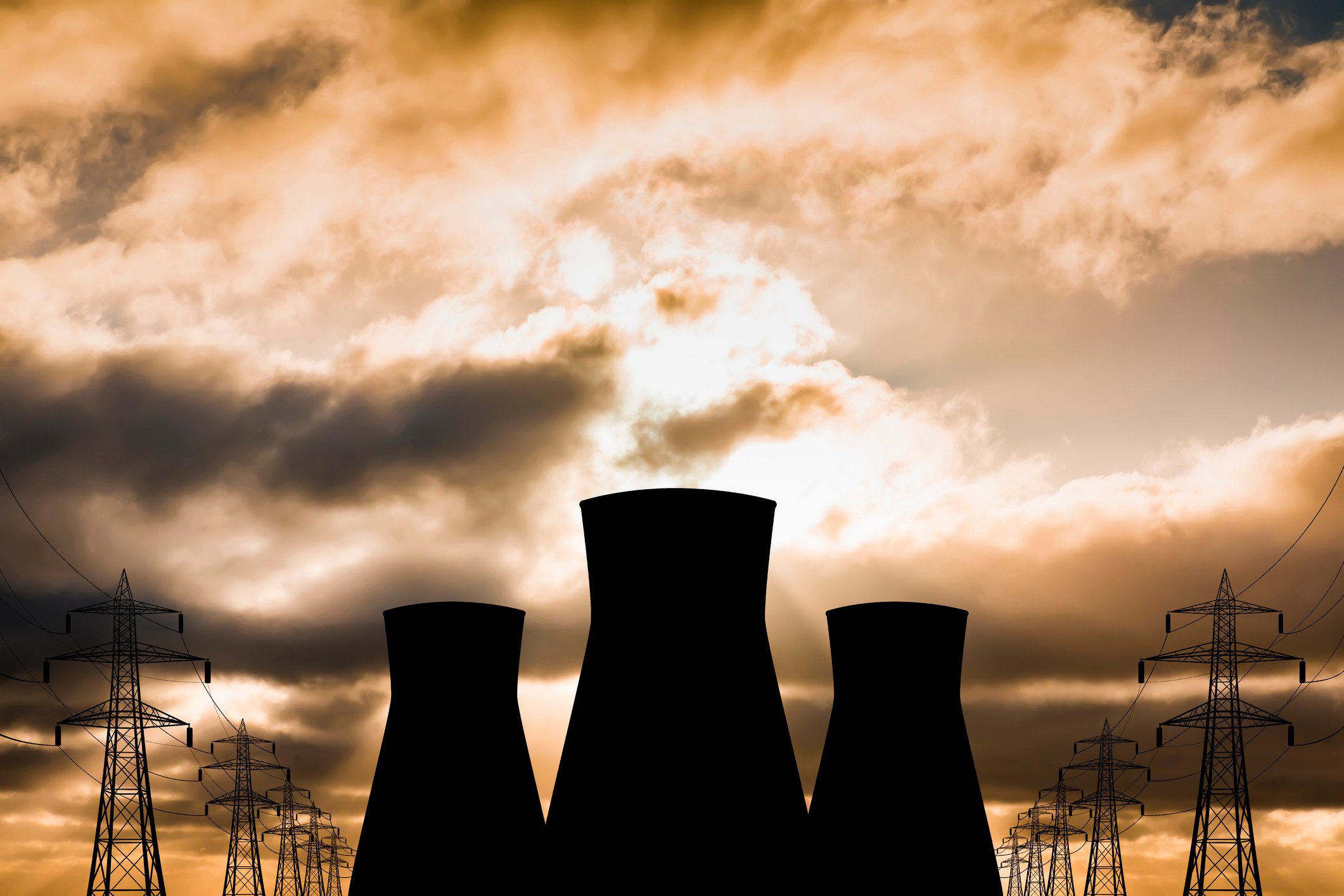
Energy analysts attribute this disparity to a loss of domestic expertise, exhaustive regulatory hurdles, and a financing model that fails to account for the long-term societal value of nuclear power. Because investors typically view these projects as high-risk, multi-billion-dollar gambles, capital remains scarce. Experts argue that shifting toward sophisticated economic impact models—which prioritize energy security and public welfare over narrow, project-level returns—is essential. As the AI boom drives an urgent demand for new energy resources, the pressure to reform these financial frameworks has become critical to maintaining infrastructure stability and ensuring that future nuclear development avoids the pitfalls of past megaprojects.



Comments (0)
No comments yet. Be the first!