
The proposed U.S. bill, once championed by the late Senator Lindsey Graham, seeks to grant the President broad authority to penalize nations purchasing Russian hydrocarbons. While the measure secured a decisive 86-11 vote in the Senate, it faces significant legislative gridlock in the House of Representatives due to internal party divisions and concerns over executive overreach. Analysts suggest the bill is unlikely to progress before the November mid-term elections.
Moscow Dismisses U.S. Tariff Threats on Indian Oil Trade
Ambassador Denis Alipov confirmed Russia will maintain its position as a primary energy supplier to India, dismissing proposed U.S. legislation that threatens 100% tariffs on importers of Russian crude. Despite mounting geopolitical pressure, Moscow insists it remains fully prepared to meet India's ongoing energy requirements.
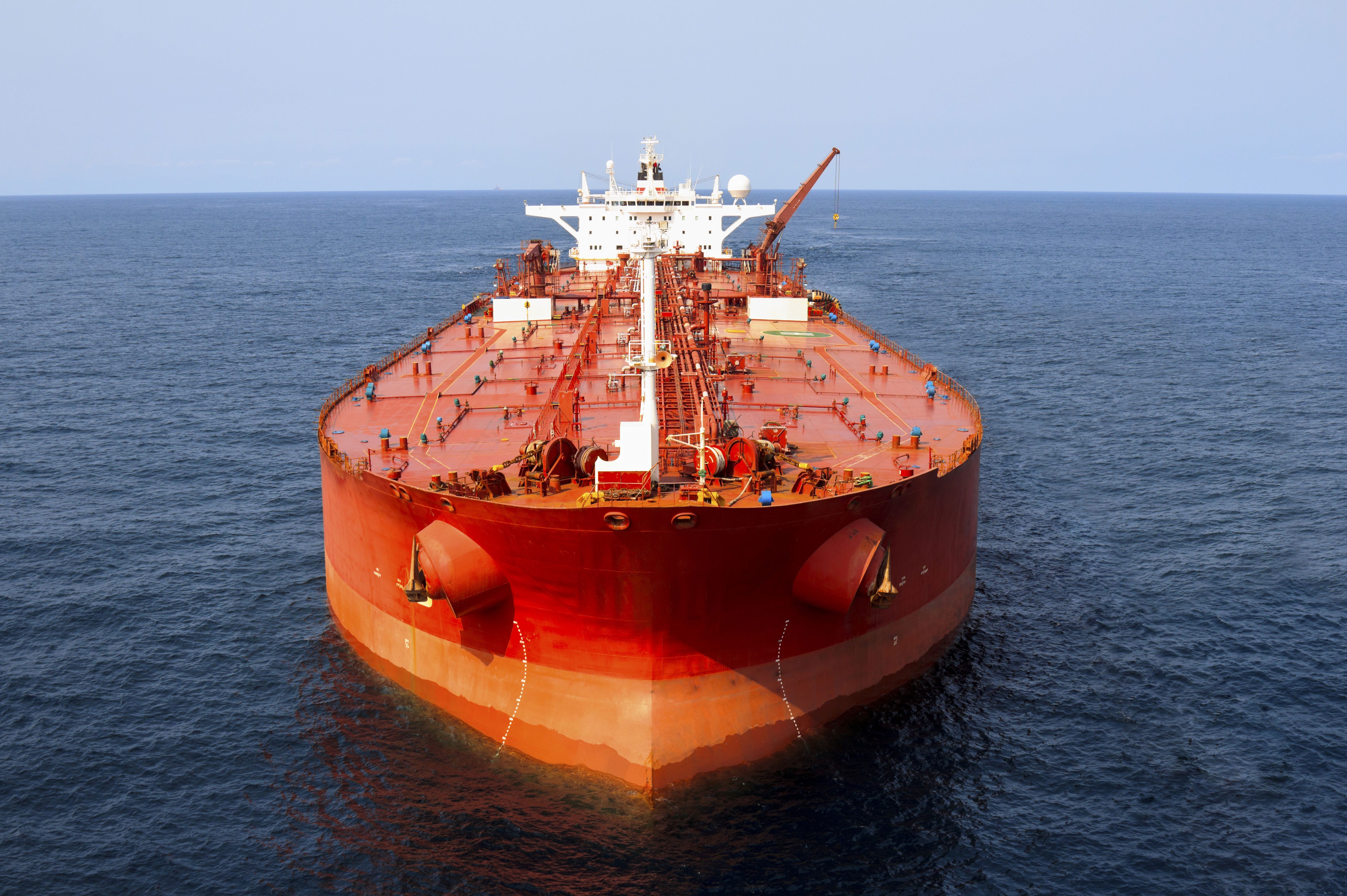
Alipov characterized the tariff strategy as a departure from transparent market competition, asserting that global energy stability depends on the continued flow of Russian supplies. He argued that international markets cannot sustain the exclusion of Russian barrels, framing the trade relationship as a mutual necessity between Moscow and New Delhi. Recent data indicates that while India’s intake of Russian crude dipped slightly in August from July’s record highs—largely due to infrastructure concerns and competition from Chinese buyers—the strategic partnership remains firmly intact.



Comments (0)
No comments yet. Be the first!