
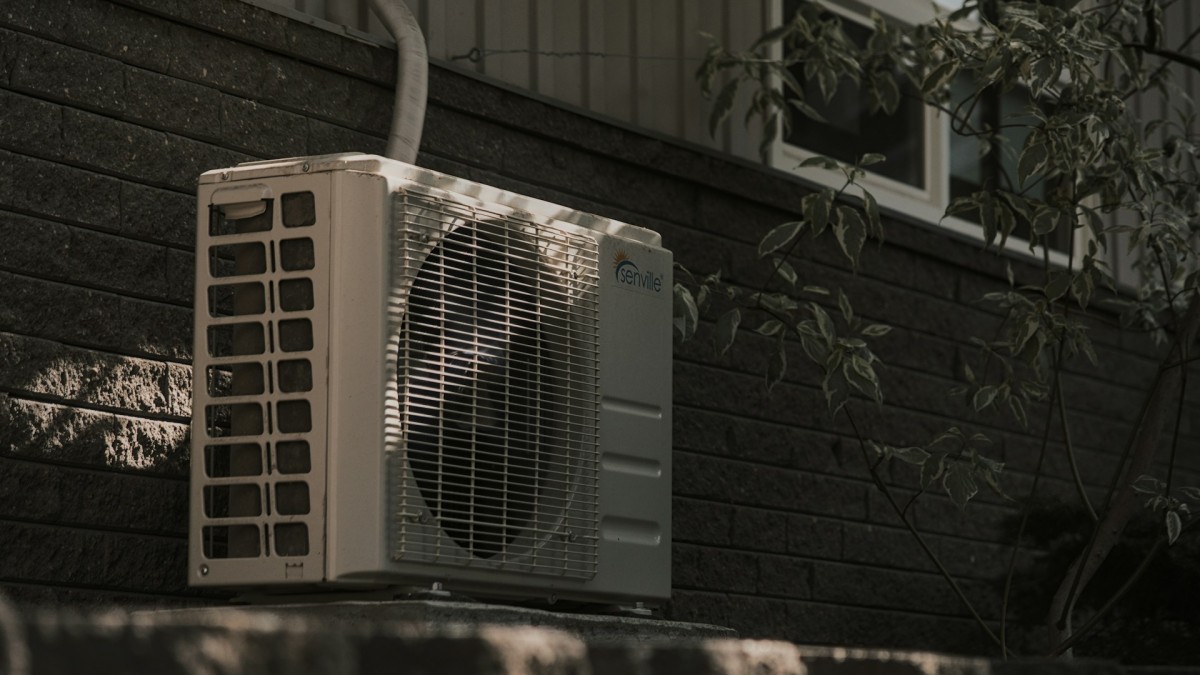
Operating on principles similar to refrigeration, heat pumps transfer thermal energy rather than generating it through combustion. This mechanical efficiency allows them to outperform traditional boilers by three to four times. While the technology was once perceived as unsuitable for frigid environments, widespread adoption in Norway, Sweden, and Finland—where usage rates exceed 40 percent—has effectively dismantled such concerns.
The industry is now pivoting toward smarter, data-driven hardware. Boston-based startup Reservoir, which recently secured $8 million in seed funding, is deploying water heaters that utilize machine learning to predict demand and optimize run times. These systems also integrate ultrasonic sensors to detect plumbing leaks, a significant evolution from the basic heat exchangers of the past. Beyond residential efficiency, the dual-functionality of these systems is proving vital in the United Kingdom, where heat pumps offer a reprieve during increasingly frequent heatwaves in a market where air conditioning remains rare.




Comments (0)
No comments yet. Be the first!