
Ninety percent of traders surveyed by CME Group now anticipate a rate increase, mirroring the European Central Bank’s recent move. The urgency stems from stubborn inflation data; August readings placed consumer prices at 3.4%, with core increases doubling the pace required to hit the Fed’s 2% target. Derek Tang of MPA Macro noted that market participants are increasingly accounting for a prolonged conflict in Iran, signaling that energy price relief remains unlikely in the near term.
Rising Oil Prices Force Fed Toward September Rate Hike
With Brent crude surging past $108 per barrel, financial markets are bracing for the Federal Reserve to implement another 25-basis-point rate hike this week. Traders see the persistent Middle East conflict as a primary driver of sustained inflationary pressure, forcing central bankers into a precarious balancing act between economic stability and cooling prices.
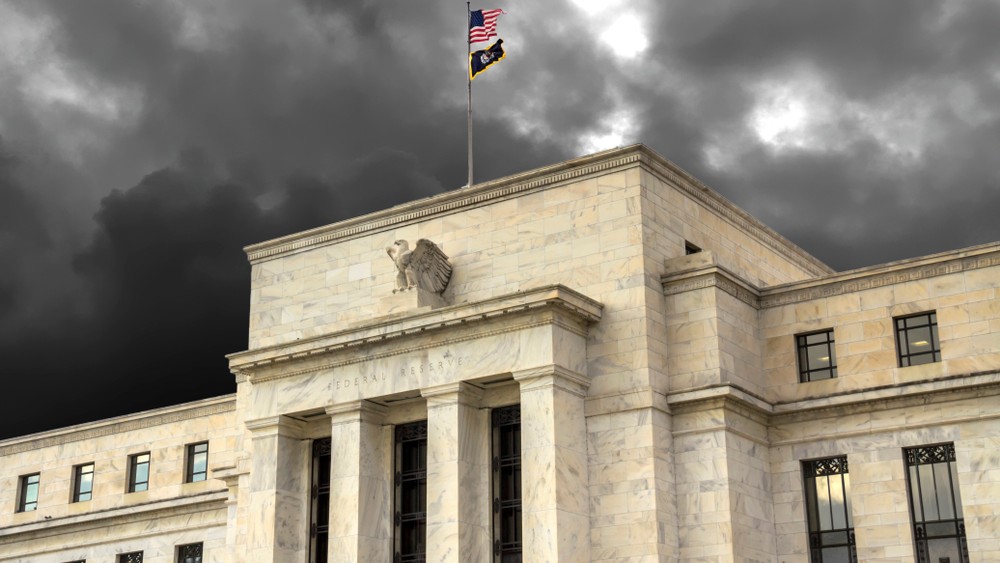
Oxford Economics describes the Fed’s position as a "knife edge," weighing whether current inflation cooling is sufficient or if aggressive intervention is mandatory. The impact is already visible at the pump: national average gasoline prices have climbed to $4.31 per gallon, while diesel reached a record $6.20 per gallon last Sunday. As refineries strain to meet demand, the inflationary ripple effect continues to challenge U.S. economic policy.



Comments (0)
No comments yet. Be the first!