
For every 10 percent increase in oil and gas prices, overall inflation climbs by 0.36 percentage points. The New Economics Foundation (NEF) warns that if energy prices spike by 50 percent, inflation could rise by an additional 1.8 percentage points above current levels. With oil prices up 60 percent and Dutch benchmark gas prices surging 166 percent over the last year, energy costs remain the primary driver of inflation across most of Europe.
ECB interest rate hikes risk stalling Europe's green energy transition
Aggressive interest rate hikes by the European Central Bank to combat inflation may inadvertently entrench fossil fuel reliance. Research from the New Economics Foundation suggests that by increasing borrowing costs, the bank is penalizing capital-intensive renewable energy projects while failing to address the volatile source of current price surges.
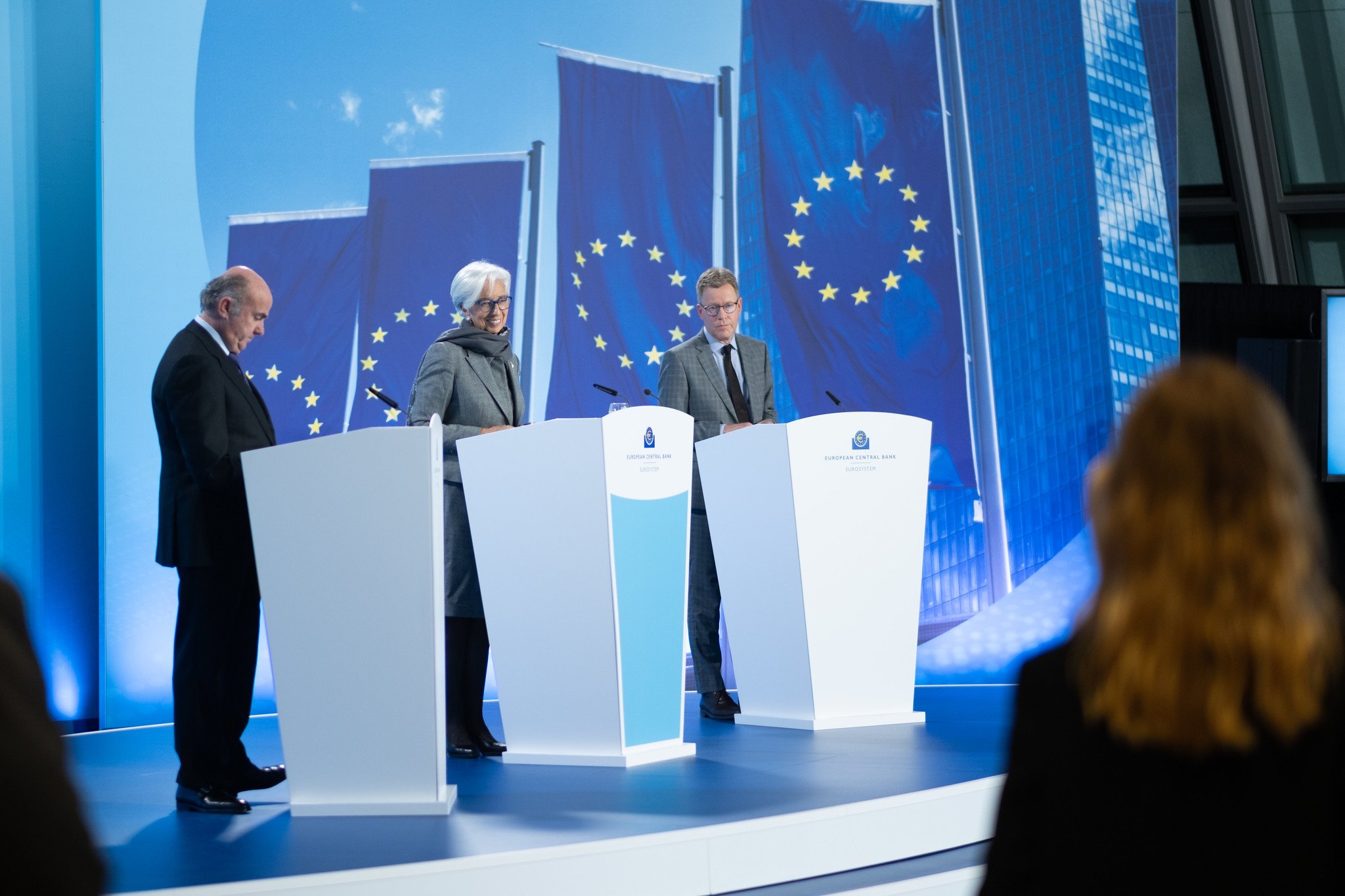
While the ECB views rate hikes as a primary tool to stabilize the economy, the strategy creates a paradox for the energy sector. Renewables often depend on significant upfront debt financing; higher borrowing costs make these projects more expensive, potentially delaying the shift away from volatile fossil fuels. Maike Schmidt, a researcher at NEF, argues that the continent's inflation history—from the 1970s OPEC embargo to the current geopolitical instability—proves that decoupling from oil and gas is the only sustainable solution. By raising interest rates, the bank risks reinforcing a carbon lock-in, where prolonged dependence on fossil fuels continues to trigger the very instability the monetary policy seeks to prevent.



Comments (0)
No comments yet. Be the first!