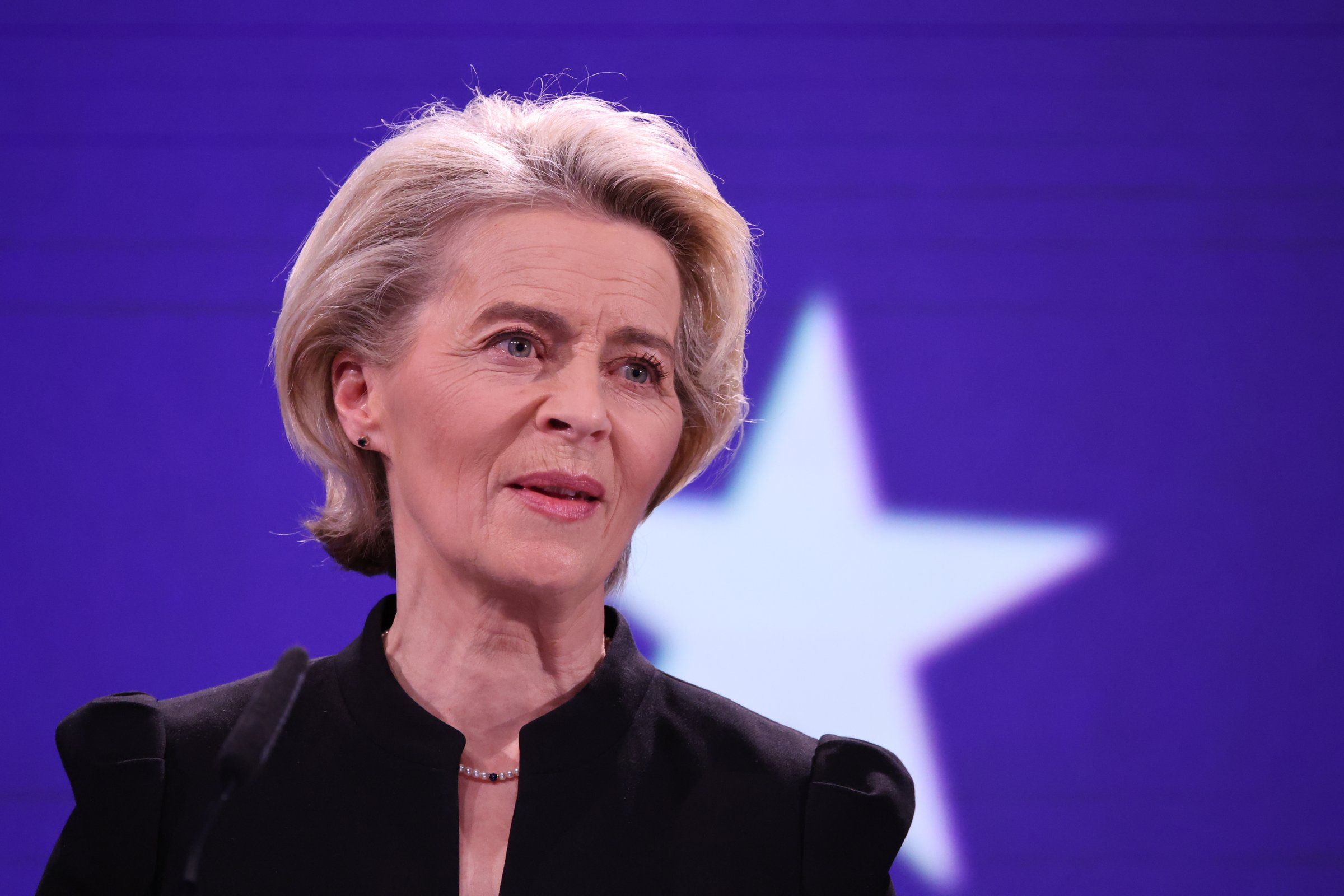
As Ursula von der Leyen prepares for Wednesday’s State of the European Union address, Brussels observers expect her to pivot away from narrow economic growth metrics. Instead, the Commission president is poised to frame competitiveness as the essential bedrock for Europe’s strategic autonomy and its ability to act independently on the global stage.
The shift reflects a broader consensus among policy experts who argue that traditional economic agendas no longer suffice in an era of geopolitical volatility. Jan Dröge of Schuman Associates suggests that competitiveness will be presented as the economic dimension of European independence, while Peter Hefele of the Martens Centre anticipates a tight integration of energy costs, defense readiness, and technological sovereignty into the upcoming EU budget.
This strategic pivot places the Union’s global posture at the forefront. Karel Lannoo of CEPS expects a sharp focus on defense, while Feriel Saouli of SEC Newgate EU notes a move toward balancing open trade with a robust defense against external coercion. Domestically, the conversation remains tethered to the Commission’s simplification agenda and the pressing need for greater executive speed, as highlighted by Elaine Cruikshanks of Acumen Public Affairs.
Despite the thematic shift, skeptics like László Andor of FEPS remain cautious, noting that the Commission’s rhetoric may evolve faster than its policy substance. The challenge remains implementation. Experts emphasize that adding further layers of strategy is redundant; the priority is delivering tangible results—such as completing the energy union and mobilizing European savings—that citizens can experience directly through job quality and affordability. Whether the speech moves beyond slogans will depend on von der Leyen’s ability to define clear deadlines and financing for these core projects.



Comments (0)
No comments yet. Be the first!