
The reality of the war contradicts the narrative emanating from Washington. Shortly after Trump’s announcement, Ukrainian forces struck a refinery in Syzran, while Russian strikes on two gas stations in Kyiv left one person dead and eight wounded. Although President Volodymyr Zelensky has expressed openness to a mutual suspension of attacks on critical infrastructure, Russian leadership remains resistant, viewing energy strikes as a key lever to pressure Kyiv into concessions before winter.
Trump’s False Ceasefire Claim Meets Reality of Escalating Energy War
Donald Trump claimed this week that Ukraine and Russia had reached a truce regarding energy infrastructure strikes, a statement quickly debunked by fresh attacks on both sides. While the former U.S. president positioned the alleged deal as a fuel-price stabilizer, the conflict on the ground shows no signs of cooling.
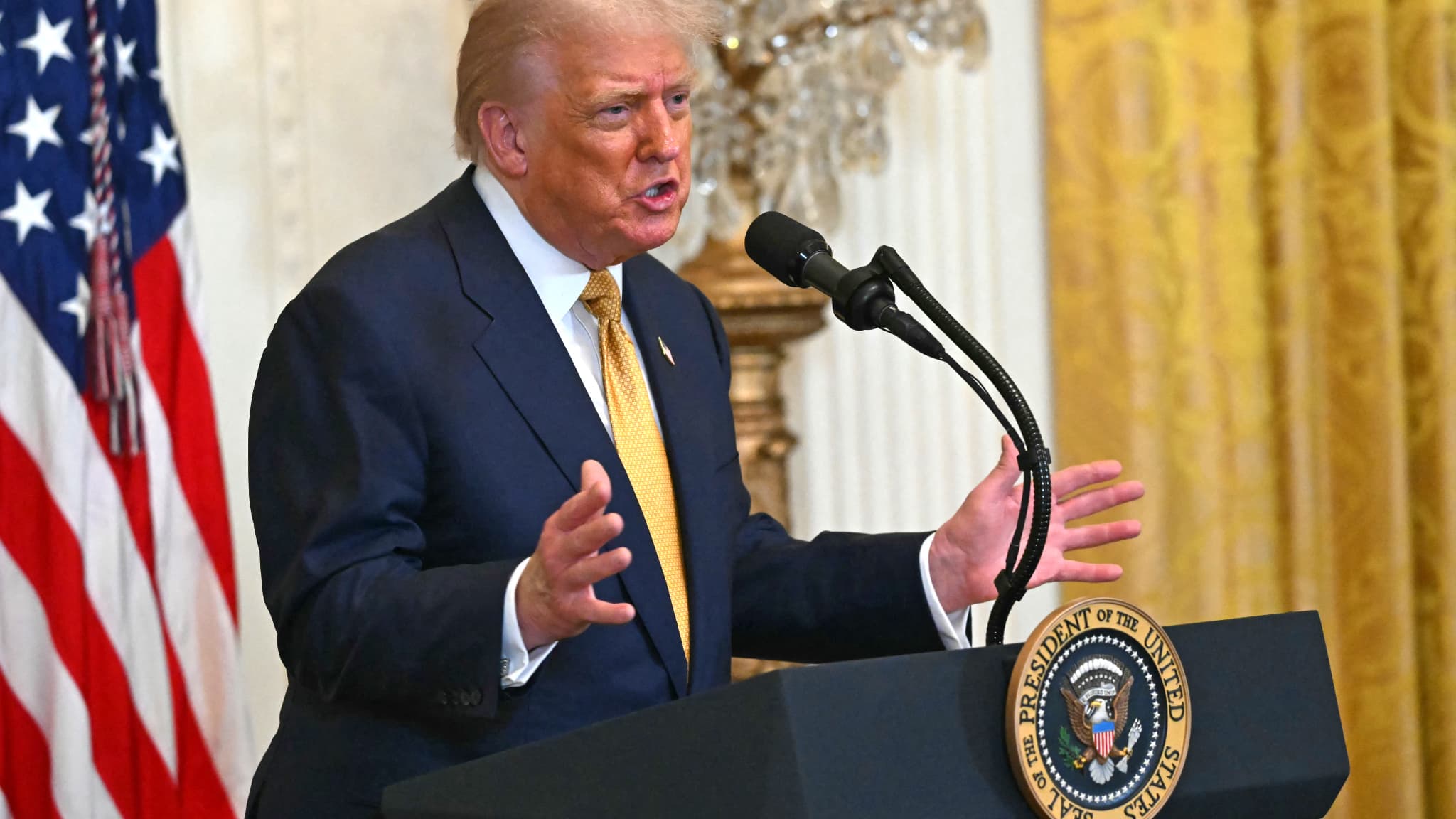
Despite Trump’s assertions that Ukrainian operations are the primary driver of record-high diesel prices in the United States, economic data suggests otherwise. Analysis from the Kyiv School of Economics indicates that the ongoing conflict in Iran and the resulting instability in the Strait of Hormuz have had a significantly greater impact on global fuel markets than Ukrainian efforts to cripple Russian logistics. Meanwhile, Kyiv intensified its campaign throughout August, recording 70 strikes on Russian territory, including 23 hits on oil refineries, marking the highest volume of such operations since the invasion began.




Comments (0)
No comments yet. Be the first!