
The price disparity is starkest for Iraqi exports. Basrah Medium for next month is trading at a staggering $43.06 discount relative to the Murban benchmark. While Murban, loaded at the Fujairah port outside the Hormuz artery, fetches over $127 per barrel, oil originating inside the Gulf struggles to find buyers willing to absorb the insurance and security risks. Ship-tracking data from Windward underscores the severity of the freeze, with minimal tanker activity recorded through the waterway as the conflict between the U.S., Israel, and Iran shows signs of intensifying rather than abating.
Hormuz Chokepoint Drives Record Price Divergence in Global Crude
A widening chasm between oil grades has emerged as the Strait of Hormuz becomes a high-risk zone for tanker traffic. While crude trapped within the Persian Gulf faces steep discounts to move, barrels loaded outside the chokepoint are commanding significant premiums, reflecting a market fractured by regional conflict.
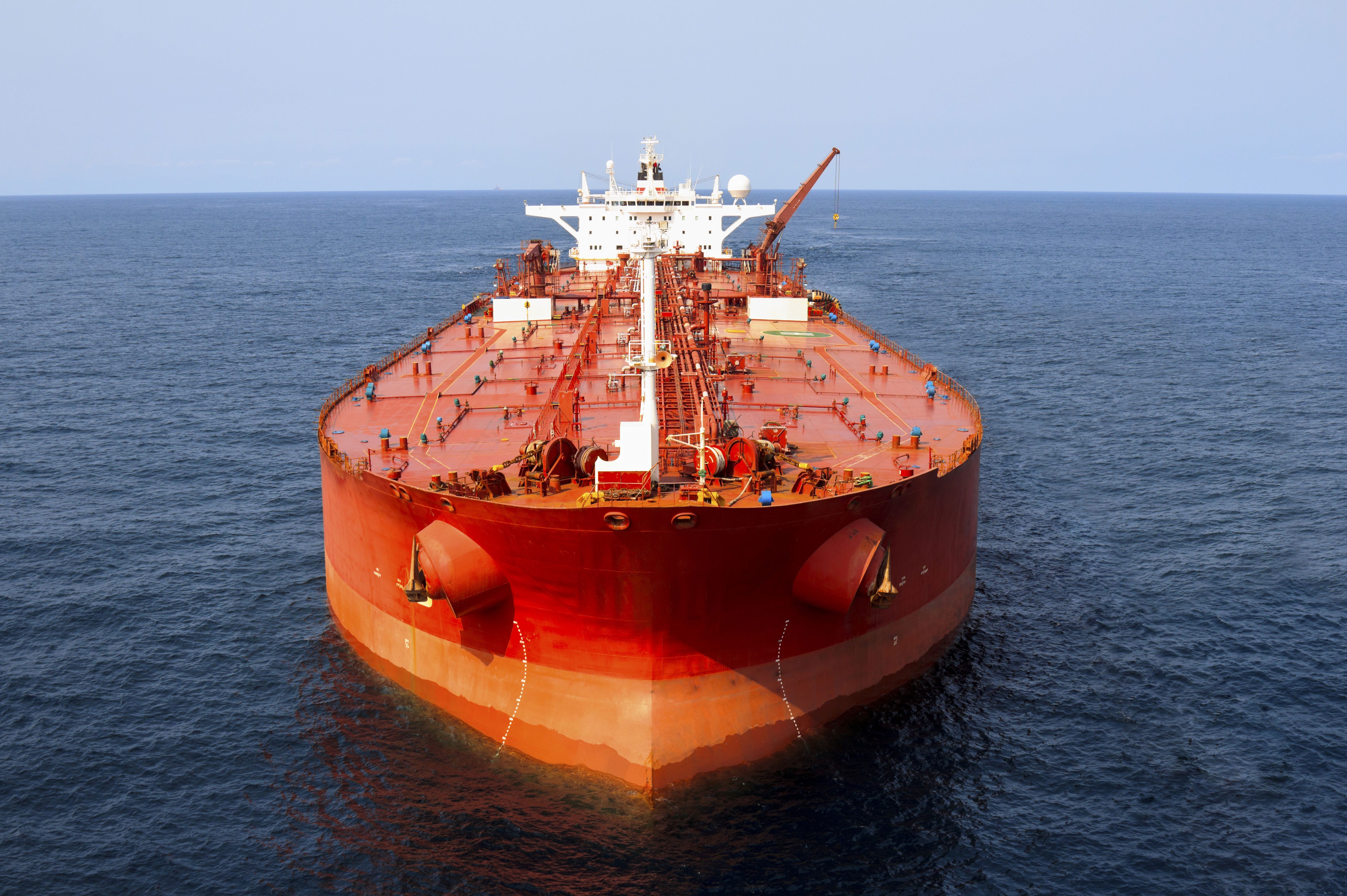
Outside the immediate conflict zone, the market dynamics have shifted toward extreme premiums. The Australian Pyrenees blend has surged to $138.04 per barrel, nearly doubling its price from late February. Simultaneously, Russian ESPO crude has secured a $10 premium over Brent as Chinese and Indian refiners pivot away from paralyzed Iranian supplies. With Saudi Arabia contending with pipeline damage and persistent Houthi strikes, the logistical bottleneck at Hormuz continues to redefine global energy trade, forcing buyers to pay a heavy price for security and supply chain reliability.


Comments (0)
No comments yet. Be the first!