
ProPublica’s investigation into Crain’s 2023 death—which followed similar findings regarding fatalities in Georgia—reveals a harrowing 20-hour window where she visited two Texas hospitals three times. Medical experts, including maternal-fetal specialists and emergency physicians, reviewed over 800 pages of records and concluded that the delay in treatment was medically indefensible. Doctors at the second facility failed to act on clear signs of sepsis, instead forcing the teen to undergo two ultrasounds to confirm fetal demise before providing life-saving intervention.
Texas Teen’s Death Highlights Fatal Gaps in Post-Roe Medical Care
Nevaeh Crain would have turned 20 this Friday. Instead, the Texas teenager is the latest woman to die following a preventable medical crisis, as state restrictions and the fear of legal repercussions delayed the emergency care needed to save her life during a severe sepsis complication.

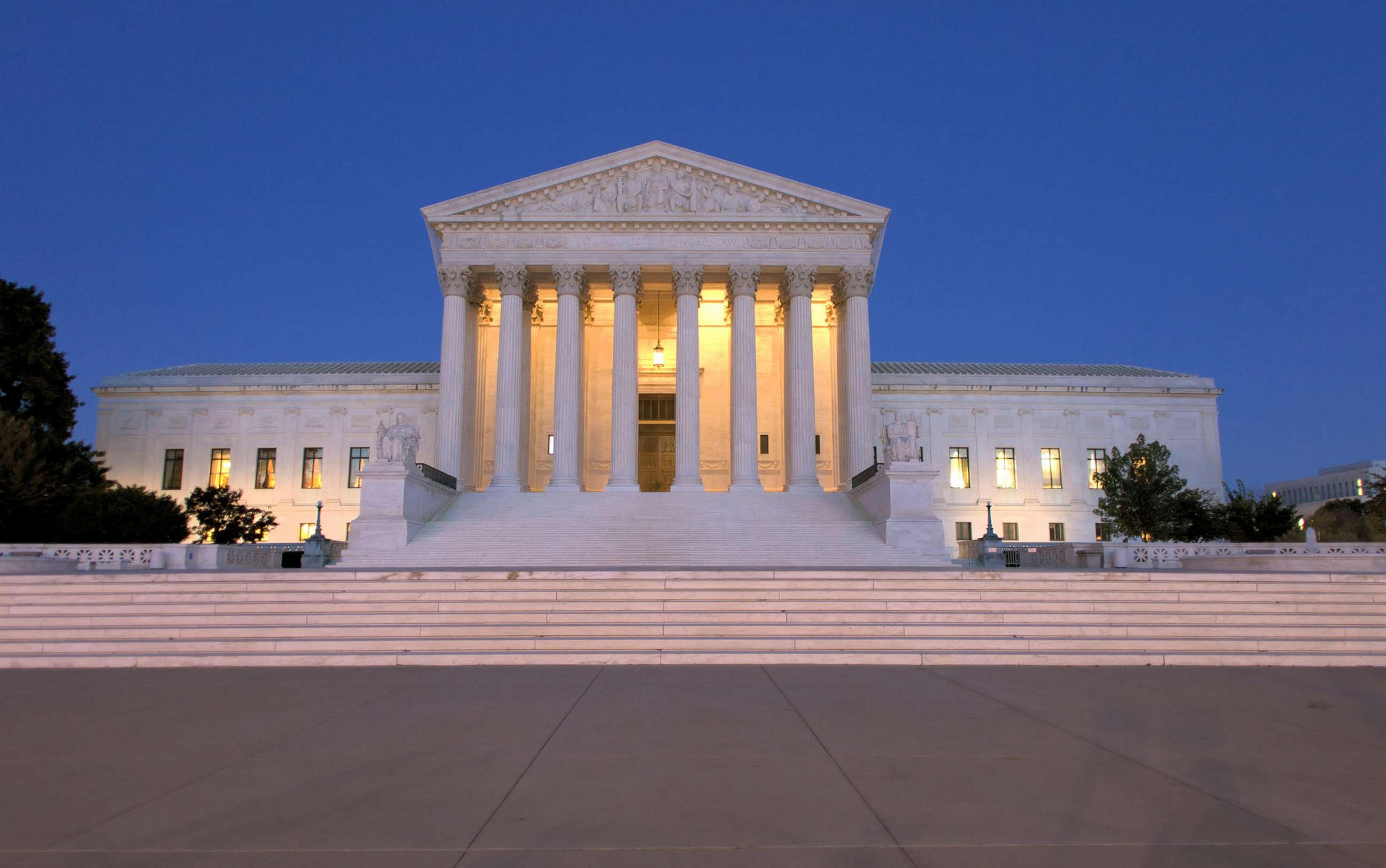
Candace Fails, Crain’s mother, stated that while her family held personal beliefs against abortion, they expected hospitals to prioritize her daughter’s life. The tragedy underscores a growing national tension regarding the Emergency Medical Treatment and Labor Act (EMTALA). While federal law mandates stabilizing treatment, state-level legal battles, led by officials like Texas Attorney General Ken Paxton, have created a climate where providers prioritize avoiding criminal liability over immediate patient survival. With the November 5 elections approaching, the case has become a focal point for Democrats campaigning on reproductive rights, further polarizing the debate over the impact of the Supreme Court’s 2022 Dobbs decision.


Comments (0)
No comments yet. Be the first!