
While crude oil shipments have recovered to roughly two-thirds of their pre-war volume through clandestine transit methods, the LNG sector has struggled to replicate this success. The technical complexity of reloading gas cargo at sea makes LNG significantly harder to shuttle than crude, leaving the market vulnerable. Prior to the current disruption, the Strait typically saw three LNG shipments exit daily.
Middle East LNG Exports Resume Through Strategic Hormuz Chokepoint
Two liquefied natural gas carriers navigated the Strait of Hormuz this week, marking a shift after six months of near-total dormancy. Satellite tracking confirms additional ship-to-ship transfers occurring off the coast of Oman, signaling an urgent effort by Qatar and the UAE to bypass persistent bottlenecks in regional energy logistics.
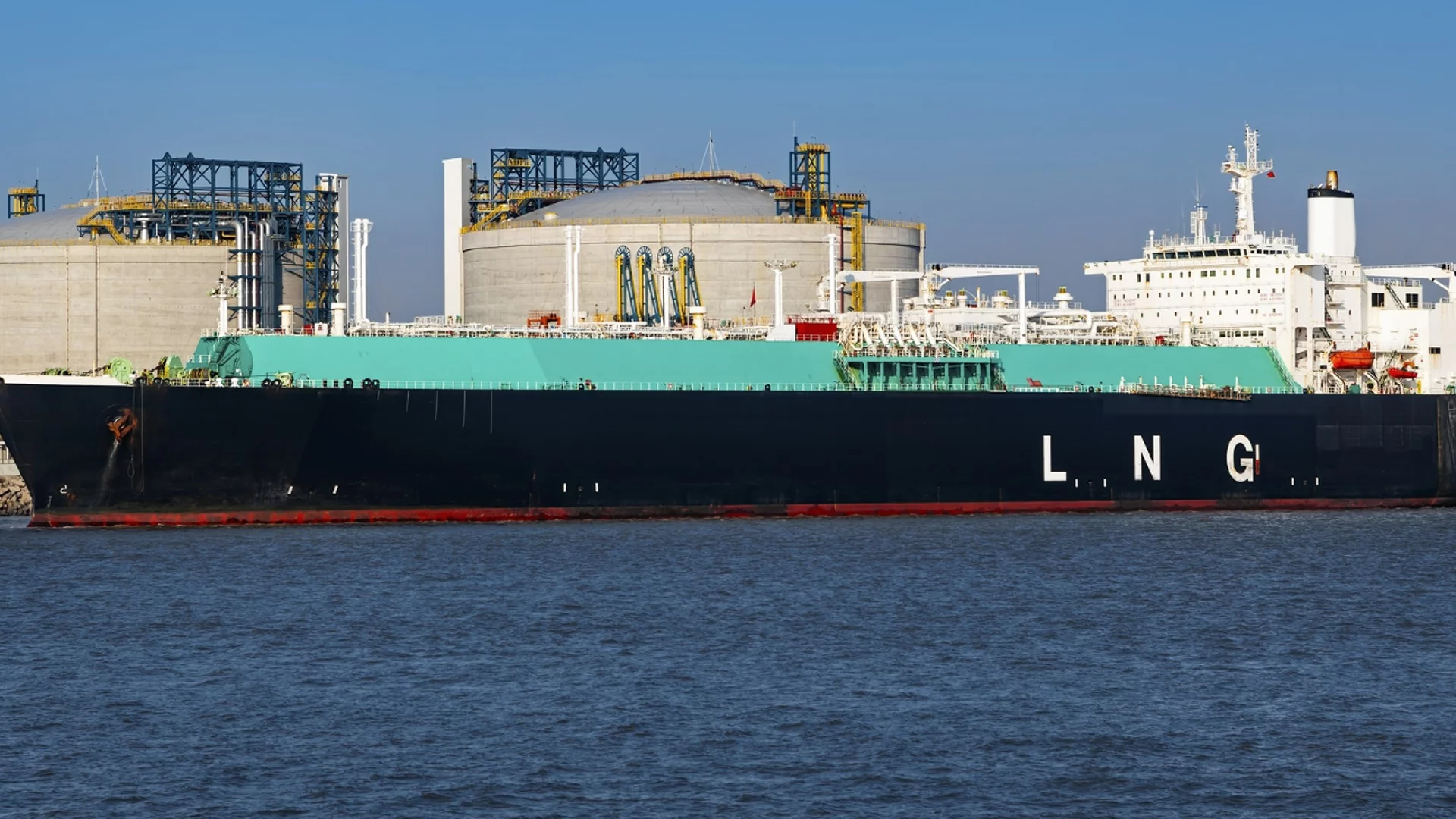
The resulting supply vacuum has pushed gas prices in Europe and Asia to their highest levels since the 2022-2023 energy crisis. With winter approaching and European storage sites needing replenishment, the market remains on edge. Industry analysts warn that if temperatures drop below seasonal averages, prices could climb another 30 percent as Europe and Asia enter a bidding war for the limited remaining spot supply.



Comments (0)
No comments yet. Be the first!