
The report, High Flyers 2026, highlights a stark economic and environmental imbalance. While private jets account for 16% of flight operations handled by the Federal Aviation Administration, these aircraft contribute less than 0.6% of the taxes flowing into the Airport and Airway Trust Fund. This leaves the broader public to shoulder the financial burden for the infrastructure that supports the most carbon-intensive mode of transport available.
Billionaire Air Travel Subsidized by Public Taxpayers
A tiny fraction of the global population—roughly 0.003%—is currently responsible for a disproportionate share of aviation emissions while relying on tax breaks and public infrastructure funding. A new report from the Institute for Policy Studies reveals that everyday taxpayers are effectively subsidizing the private jet lifestyles of the world's wealthiest individuals.
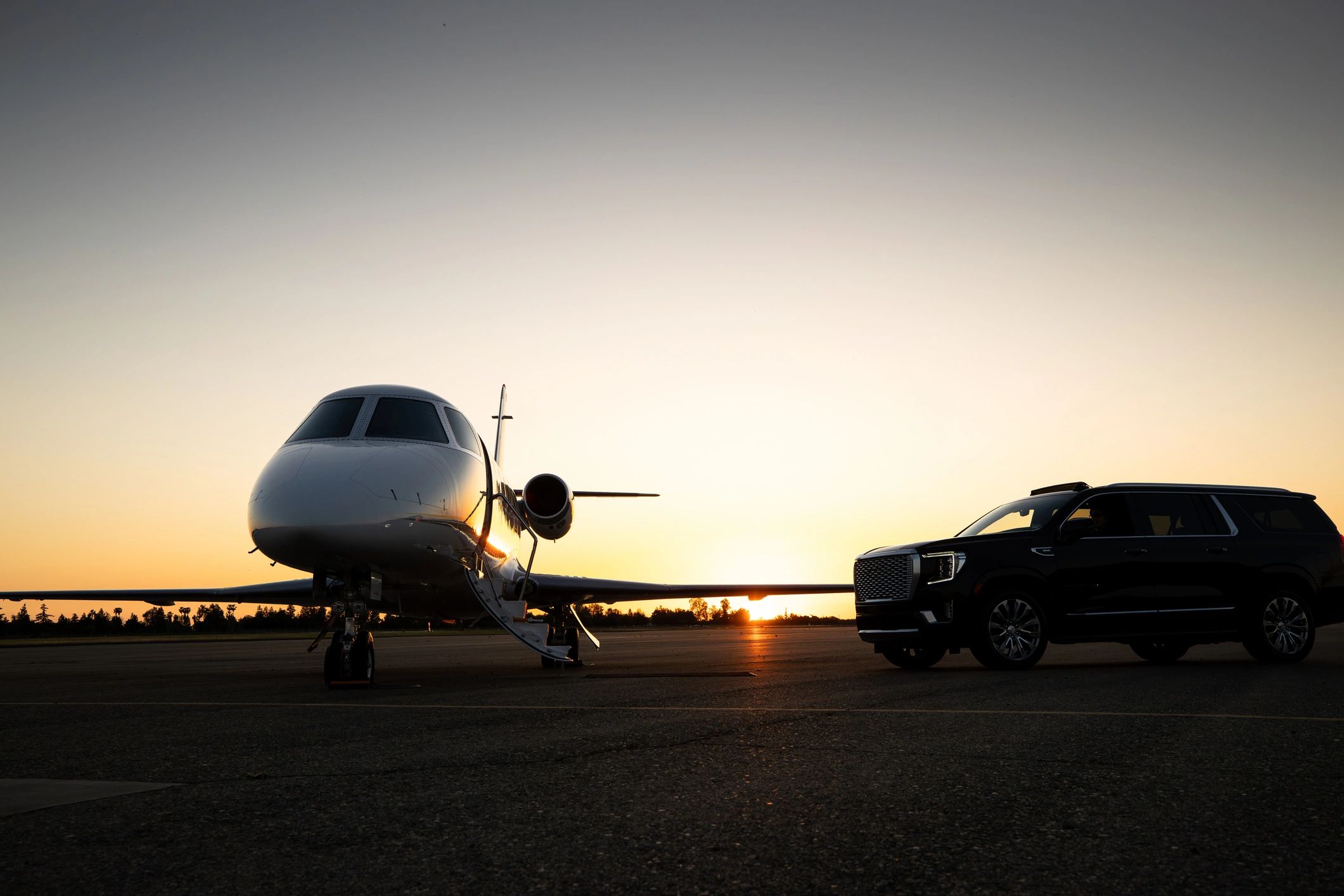
Climate impacts remain a primary concern for the authors, who note that a private jet passenger generates 10 to 14 times the emissions of a commercial airline traveler and up to 50 times those of a rail passenger. Despite this, federal policies under the Trump administration have cemented benefits like 100% bonus depreciation, allowing corporations to write off the entire purchase price of private aircraft in the year of acquisition. Industry groups, such as the National Business Aviation Association, spent roughly $2 million in 2025 lobbying to protect these tax advantages and maintain flight secrecy. Researchers argue that implementing a luxury tax on private aircraft and repealing current depreciation loopholes could redirect billions toward sustainable transportation initiatives.


Comments (0)
No comments yet. Be the first!