
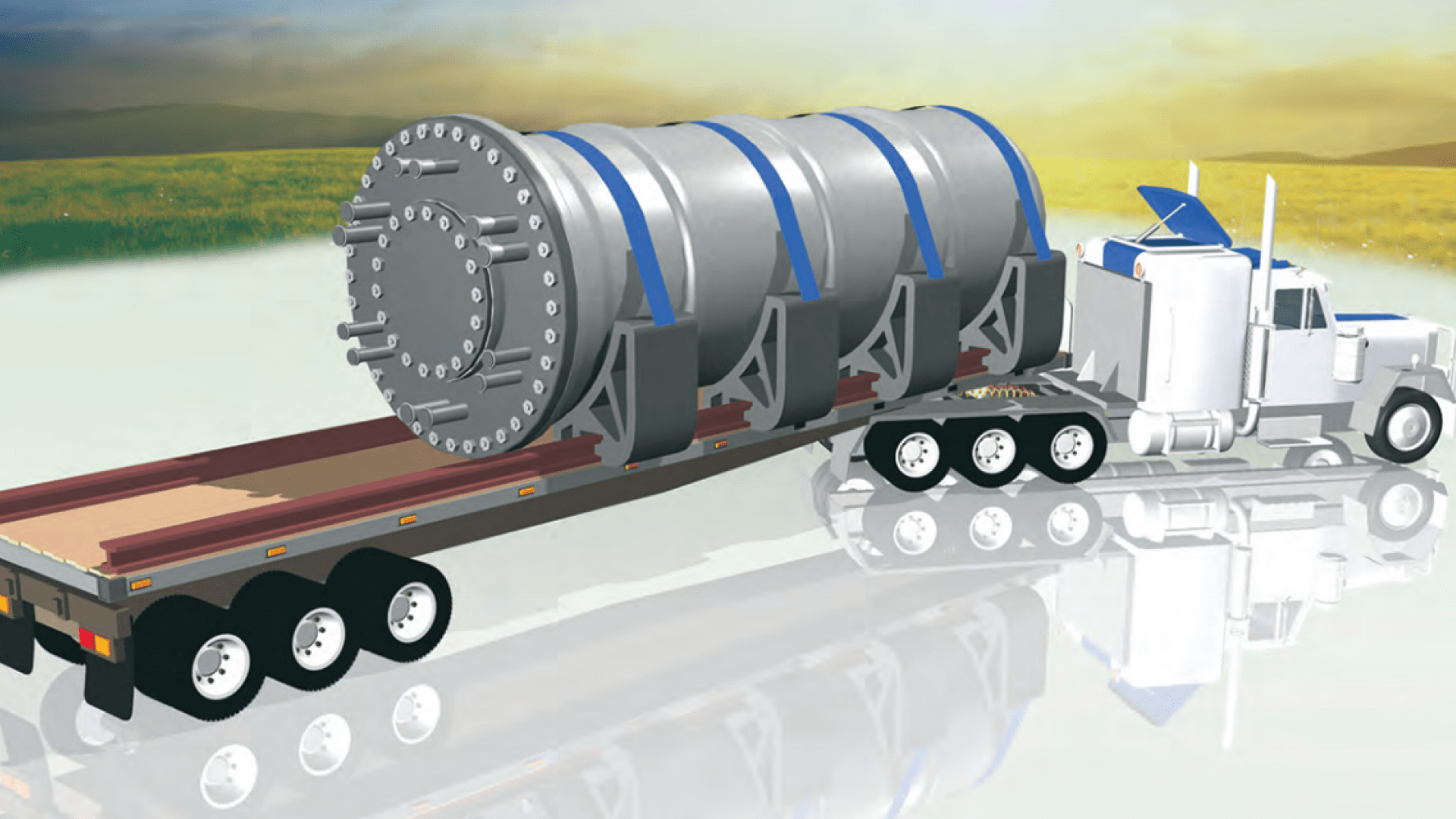
For years, the promise of SMRs—factory-built, scalable units capable of providing emissions-free baseload power—has been hampered by regulatory delays and high costs. While traditional plants require massive, site-specific construction, SMRs aim for modular efficiency. Despite the optimism, critics remain wary. David Schlissel, director of resource planning analysis at the IEEFA, notes that current projects under construction have yet to prove they can compete economically with other clean energy sources like offshore wind or large-scale hydropower.
Nevertheless, momentum is shifting. Russia and China currently host the only operational grid-connected SMRs, but Western nations are closing the gap. The United States, which has approved one reactor design, targets commercial deployment by 2028. Recent actions support this push, including the U.S. Nuclear Regulatory Commission’s decision to fast-track construction of two units at Michigan’s Palisades Energy Center, which will add 680 megawatts to the grid.




Comments (0)
No comments yet. Be the first!