
The agreement, set to be signed in New York during the United Nations General Assembly, follows eight months of quiet negotiations. These talks, initiated by Danish foreign minister Lars Løkke Rasmussen on January 14, operated largely outside the chaotic spotlight of the administration’s media cycles. While Trump touted the deal as a conquest, the reality remains grounded in a 1951 treaty that already granted the United States extensive military access to the island. Denmark confirmed the new terms preserve Greenland’s sovereignty, effectively distancing the pact from earlier, more aggressive annexation fantasies.
Behind the Greenland Deal, a Quiet Diplomatic Victory
Donald Trump’s declaration of an “Infinite Life Agreement” with Greenland on September 19 may be framed as a political win, but the pact reveals a more stable reality. Behind the bombastic rhetoric of the Oval Office, mid-ranking diplomats from the U.S., Denmark, and Greenland successfully navigated a path toward a functional resolution.
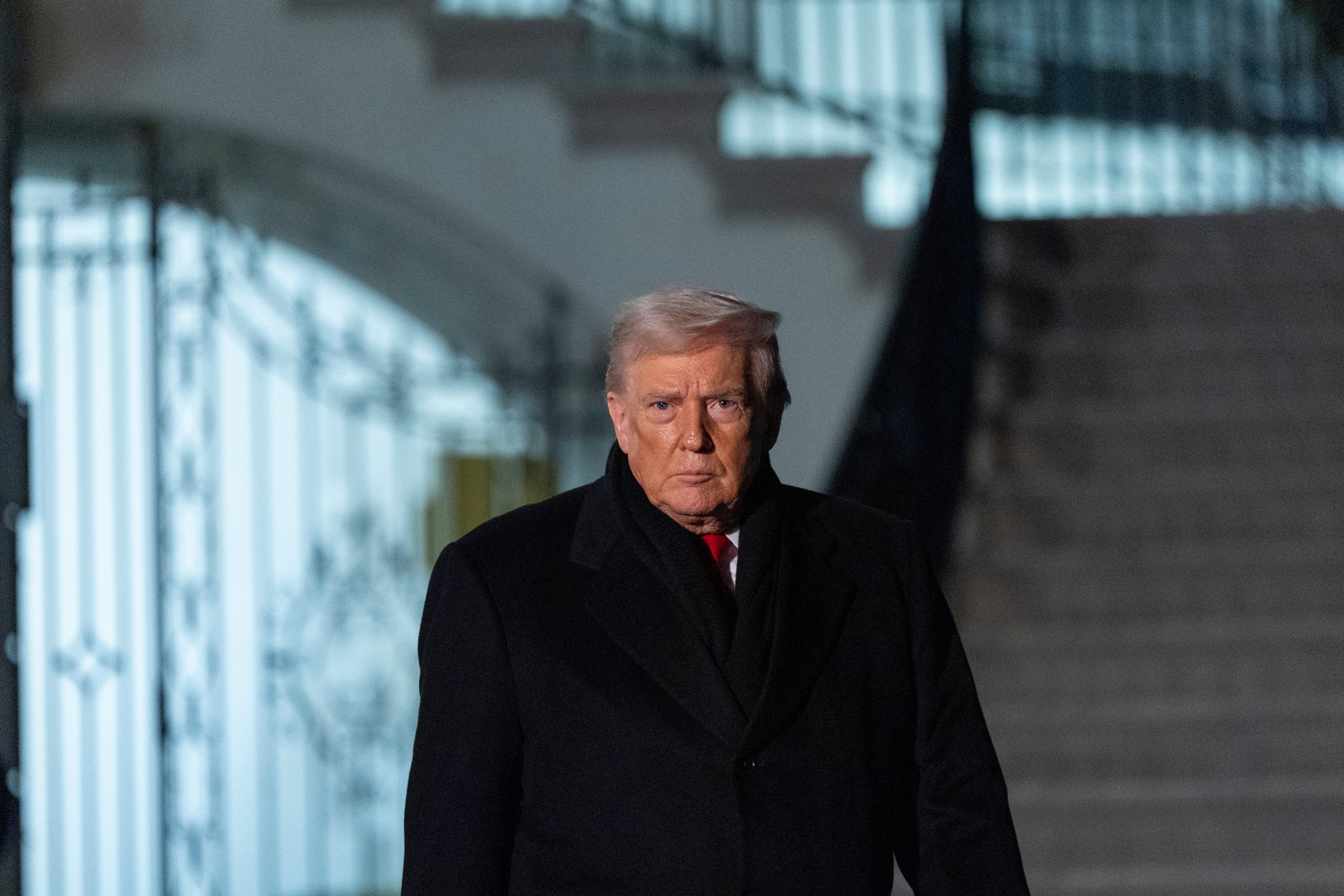
European officials and persistent lobbying efforts played a critical role in steering the outcome away from further transatlantic friction. The process highlights a lingering pragmatic core within the State Department, capable of shielding international relations from the volatility of executive impulses. By framing the agreement as a “dream come true” for the president, these career diplomats managed to secure a stable framework that avoids the disruption of alliances while addressing legitimate security concerns. For observers of the transatlantic relationship, the deal offers a rare, if cautious, sign that institutional sanity remains a functional force in Washington.


Comments (0)
No comments yet. Be the first!