
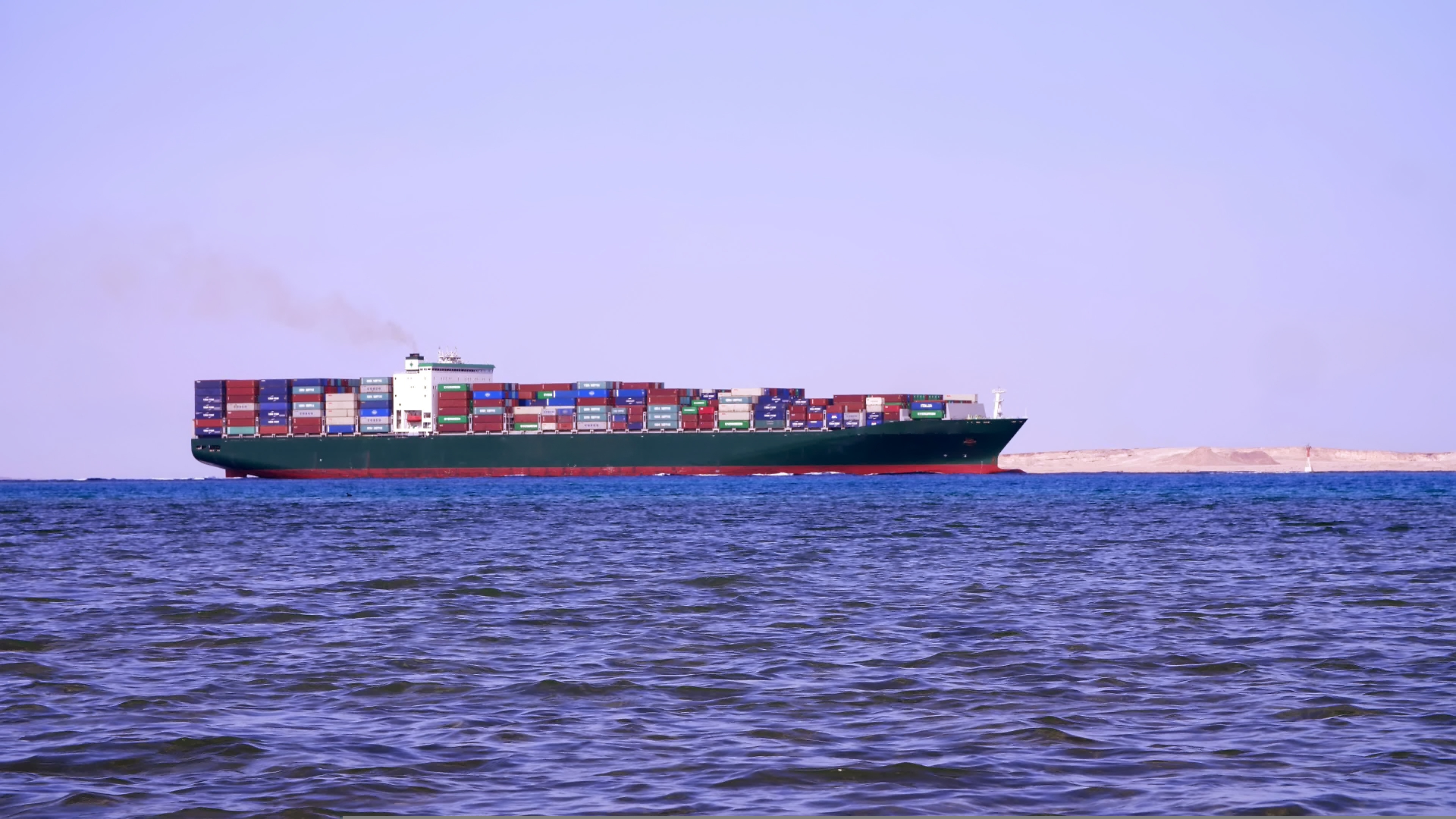
The proposal aims to bypass Canadian supply chains, which have faced price pressures due to ongoing trade frictions. However, industry analysts and foreign policy experts argue the plan ignores fundamental trade realities. Belarus is a landlocked nation currently facing severe transit restrictions through Lithuania, making the physical transport of bulk fertilizer to the United States a massive hurdle.
Experts Mock Trump’s Plan to Replace Canadian Fertilizer With Belarus Imports
President Donald Trump sparked widespread ridicule Monday after announcing plans to import potash from Belarus, claiming the deal would undercut Canadian prices. Critics immediately flagged the move as logistically impossible and geopolitically misguided, noting that Canada currently provides 80% of the fertilizer used by American farmers.

Journalist Diana Henriques highlighted the geographical absurdity, noting that shipping potash from Minsk to Nebraska spans over 5,000 miles, compared to the 700-mile transit from Saskatchewan. Furthermore, production capacity in Belarus remains limited and largely pre-contracted. Ross O'Connor, a former advisor to Canadian Prime Minister Stephen Harper, dismissed the initiative entirely, pointing out that Canada alone exports more potash to the U.S. than Belarus produces in total. Observers like American University professor David Ryan Miller framed the pivot as a strategic blunder, questioning why the administration would favor an autocratic regime aligned with Vladimir Putin over a long-standing democratic ally.



Comments (0)
No comments yet. Be the first!