
The system consists of two battery-powered units that clamp around a pipe, allowing a single worker to manage the loosening and tightening of four bolts simultaneously. By focusing on standard pipe sizes ranging from two to eight inches in diameter—which account for 80% of industrial piping—Elliott has identified a prime candidate for automation. The units are designed for portability, fitting into a Pelican case to support a rental-based deployment model.
Nexterity automates the dangerous labor of industrial pipefitting
Former ExxonMobil engineer Lindsey Elliott is targeting the physical toll of industrial maintenance with a remote-controlled robot. Her startup, Nexterity, aims to replace the grueling manual labor of loosening and tightening bolted flange joints—a task notorious for causing injuries and suffering from significant productivity gaps across North American trade sectors.
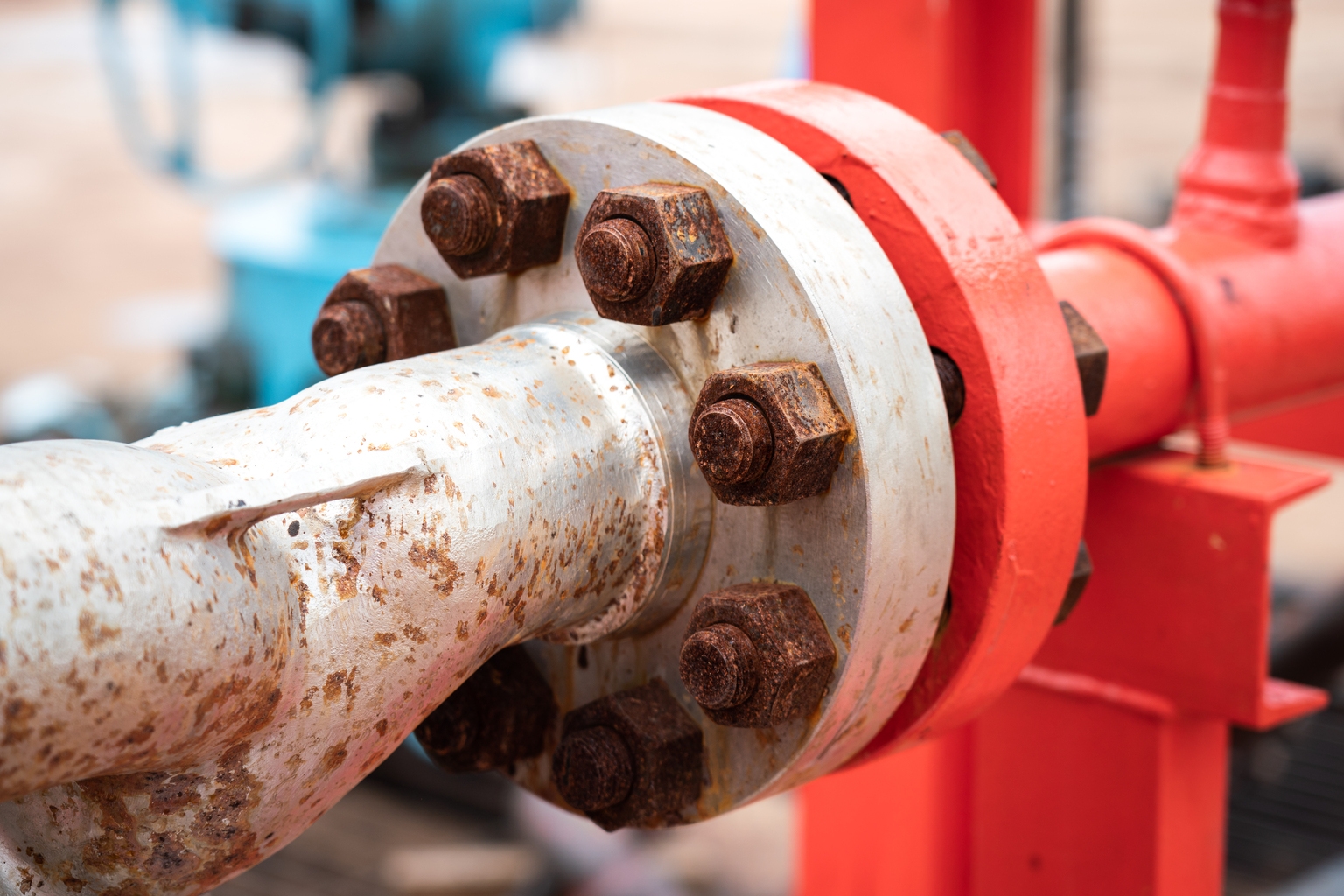
Beyond oil and gas, the application extends to water treatment, nuclear facilities, and sustainable manufacturing. By shifting the burden of repetitive, high-torque tasks to robotics, Nexterity intends to mitigate the chronic fatigue faced by pipefitters working extended shifts. Elliott developed the design after years of consulting with industry professionals, including members of the American Society of Mechanical Engineers, to ensure the technology addresses the specific ergonomic and operational challenges inherent in modern piping infrastructure.



Comments (0)
No comments yet. Be the first!