
The legislative shift marks a radical departure from the 1987 and 2011 referendums that solidified Italy’s anti-nuclear stance. With natural gas and petroleum currently accounting for 80% of the national energy mix, the government is struggling under the weight of an 80% spike in electricity rates over the past year. By opting for small modular reactors (SMRs) rather than the large-scale plants of the past, officials hope to bypass traditional construction delays and address growing power demands from AI data centers and industrial electrification.
Italy Pivots Back to Nuclear Power After Four-Decade Freeze
Nearly 40 years after a post-Chernobyl referendum forced Italy to dismantle its atomic energy program, the Senate has approved a government mandate to bring nuclear power back. Prime Minister Giorgia Meloni’s administration aims to leverage advanced modular reactors to stabilize an economy crippled by soaring energy import costs.
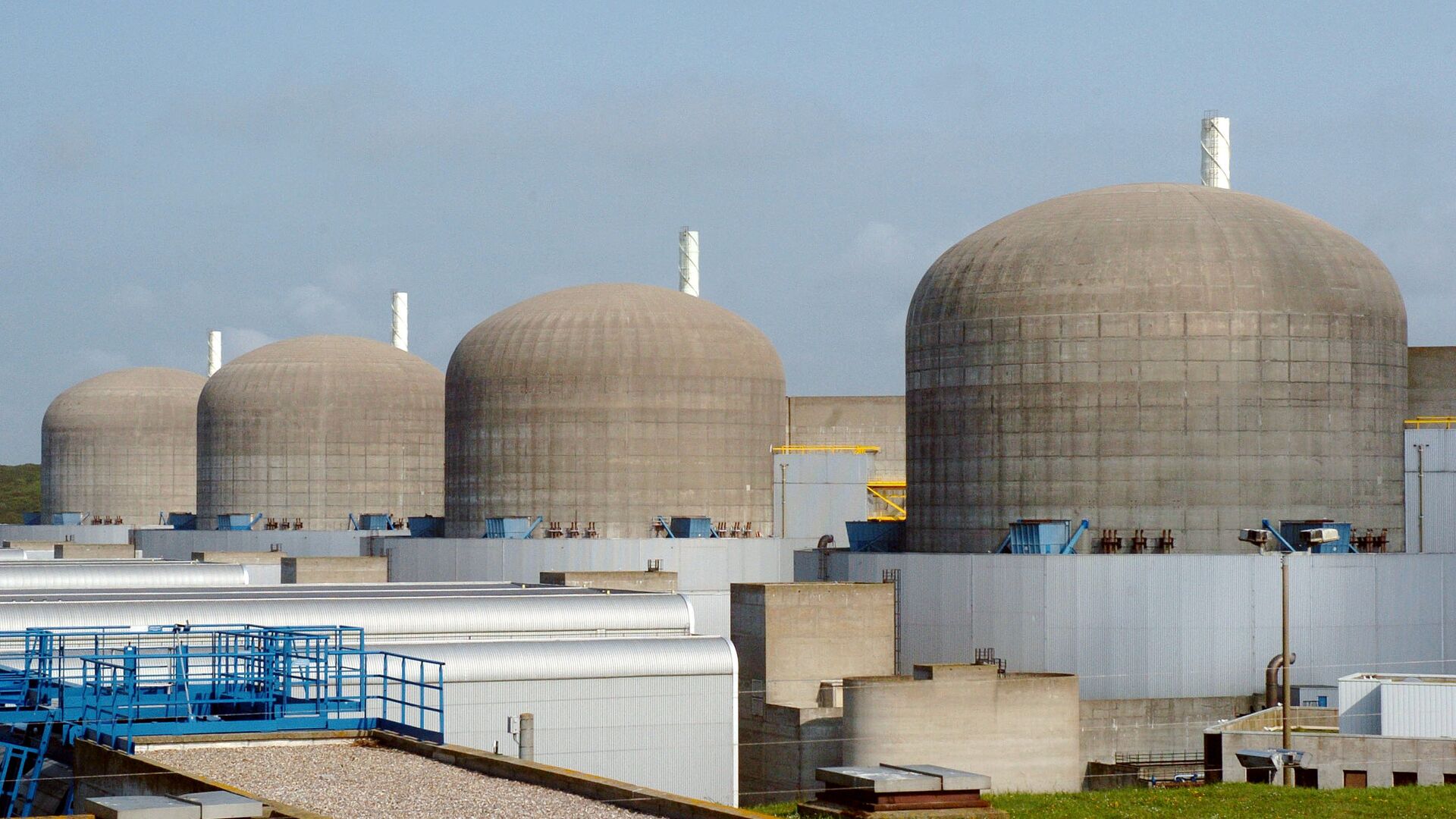
Despite the legislative green light, the path forward remains fraught with logistical and social friction. A June poll indicates that while 51% of the population supports the return of nuclear energy, a clear majority rejects the construction of facilities within their own neighborhoods. Furthermore, the state has yet to establish a permanent repository for legacy radioactive waste, which remains scattered across temporary sites nationwide. As neighboring countries like France, Hungary, and Poland double down on nuclear expansion to secure energy sovereignty, Italy faces the dual challenge of building a new technological framework while overcoming decades of public skepticism.



Comments (0)
No comments yet. Be the first!