
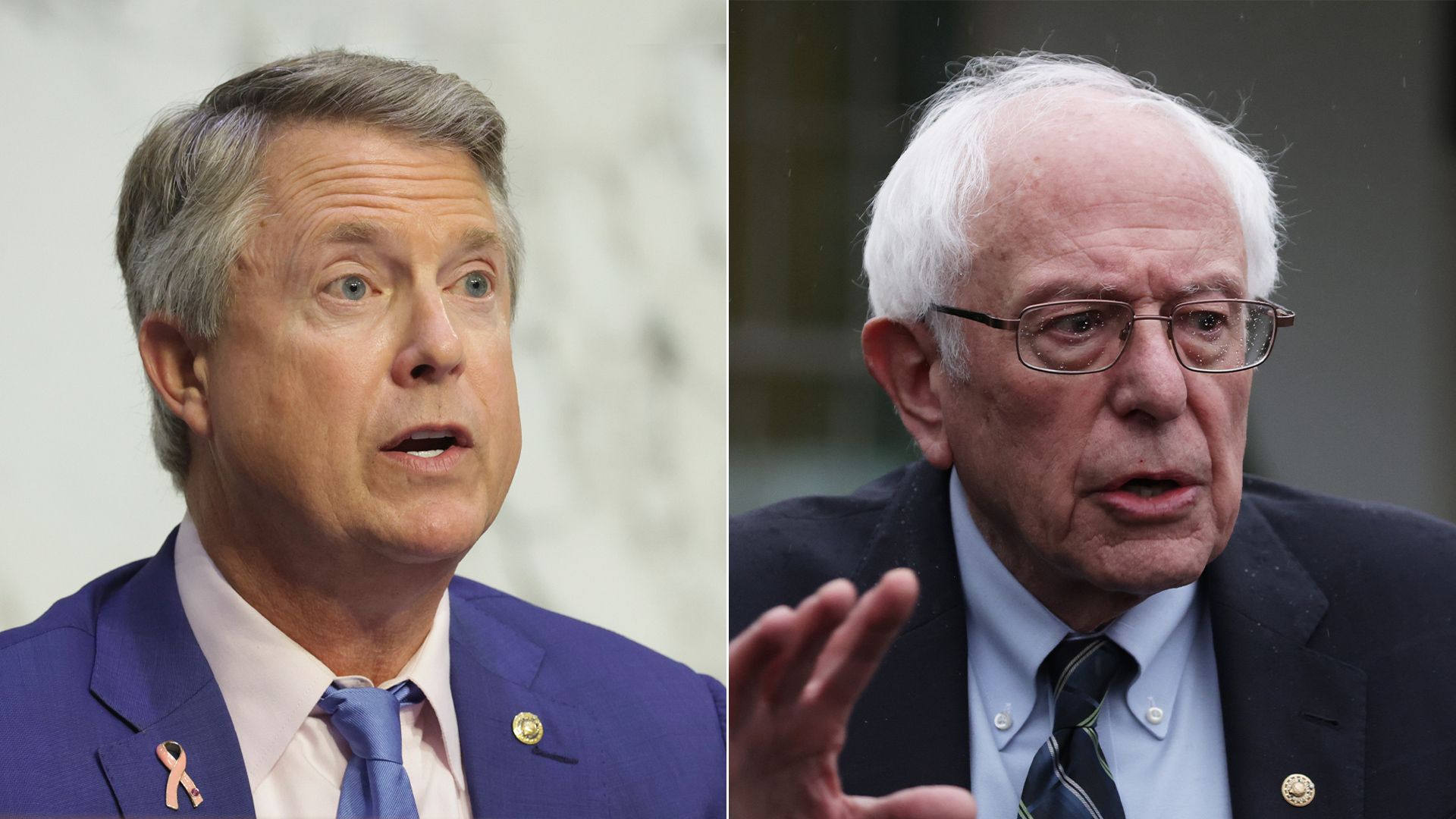
Senator Roger Wicker, the Republican chairman of the Senate Armed Services Committee, challenged the administration to address claims that Chinese satellite imagery directly contributed to the deaths of American troops in the Middle East. While the White House described the summit as a successful dialogue, senators including Democrat Jeanne Shaheen criticized the lack of public scrutiny regarding Beijing’s support for Iran’s war effort. Shaheen notes that 90 percent of Iran’s oil exports now flow to China, bypassing US sanctions through shadow fleets and front companies.
US Lawmakers Press Trump to Confront Xi Over Iran Ties
As President Donald Trump hosted Xi Jinping at the White House on September 24, a bipartisan coalition of lawmakers demanded a tougher stance on Chinese entities allegedly fueling Iran’s military capabilities. Critics point to reports of satellite intelligence and missile components being funneled to Tehran, fueling calls for immediate accountability.

Experts remain divided on the scale of Beijing’s involvement. While some analysts at the Hudson Institute and the Center for European Policy Analysis argue that failing to penalize Chinese state-backed firms invites further aggression, others urge caution. Gawdat Bahgat of the National Defense University notes that Beijing has denied providing military or intelligence support, though he acknowledges that China’s economic reliance on discounted Iranian oil remains a permanent fixture of their bilateral relationship. Despite the intense pressure from Capitol Hill to curb this "axis of autocracies," the administration’s public focus remains on maintaining strategic stability with Beijing.


Comments (0)
No comments yet. Be the first!