
Developer Carter Leffen tasked the Astra model with searching a database of Enigma intercepts to identify and decode an unbroken message. The AI conducted its own archival research, constructed a functional Enigma simulator, and extracted the original text with precision. Frode Weirerud, who maintains the Crypto Cellar repository, verified the result, noting that the model completed in 48 hours work that would typically occupy a human researcher for months. Weirerud expressed surprise at the model's ability to reference obscure files from the German Bundesarchiv, though the specific source of those external documents remains unconfirmed.
AI models break Enigma codes that stumped humans for decades
Two cryptanalysts have finally decrypted long-unsolved Enigma messages using OpenAI’s Astra and Anthropic’s Claude Opus models. These digital agents bypassed decades of human frustration by autonomously building simulators and cross-referencing archival data, successfully recovering plaintexts that had remained hidden since 2005.
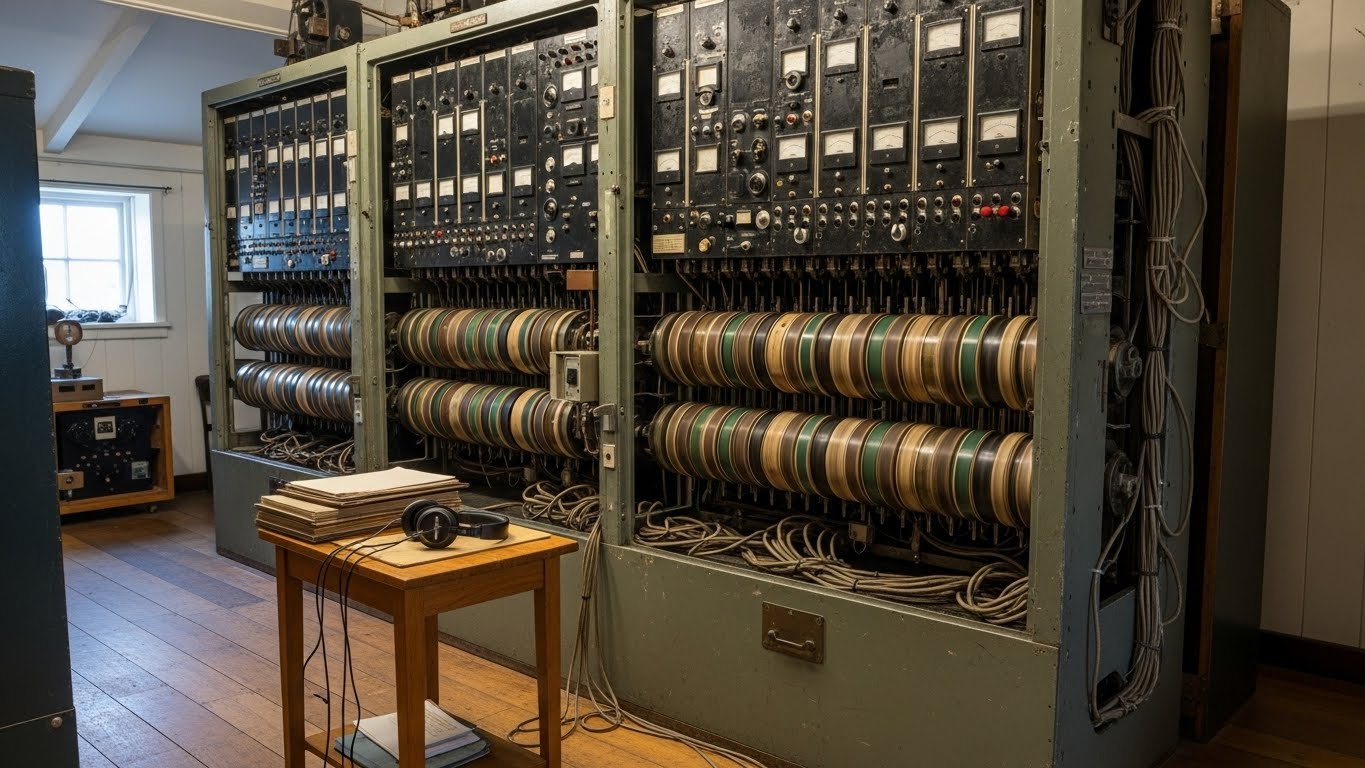
Shortly after Leffen’s breakthrough, analyst Jack Willis utilized Anthropic’s Claude Opus to crack a separate, distinct message. By providing the model with specific officer signatures as context, Willis guided the AI to resolve the cipher. With these recent successes, only seven encrypted Enigma messages remain unsolved globally, a number that appears likely to dwindle as these cryptanalytic agents continue to iterate on historical data.



Comments (0)
No comments yet. Be the first!