
The current influx of capital marks a departure from recent years, as established players like Chevron, Eni, and Repsol secure or expand their operational control through revised contractual frameworks. Chevron has committed over $7 billion in investment over five years, while Eni and Repsol are actively rehabilitating fields. This momentum is bolstered by regional independents such as GeoPark and Brazil’s Fluxus, alongside North American firms like Blue Energy Partners, which is managing 17 distinct production and development areas.
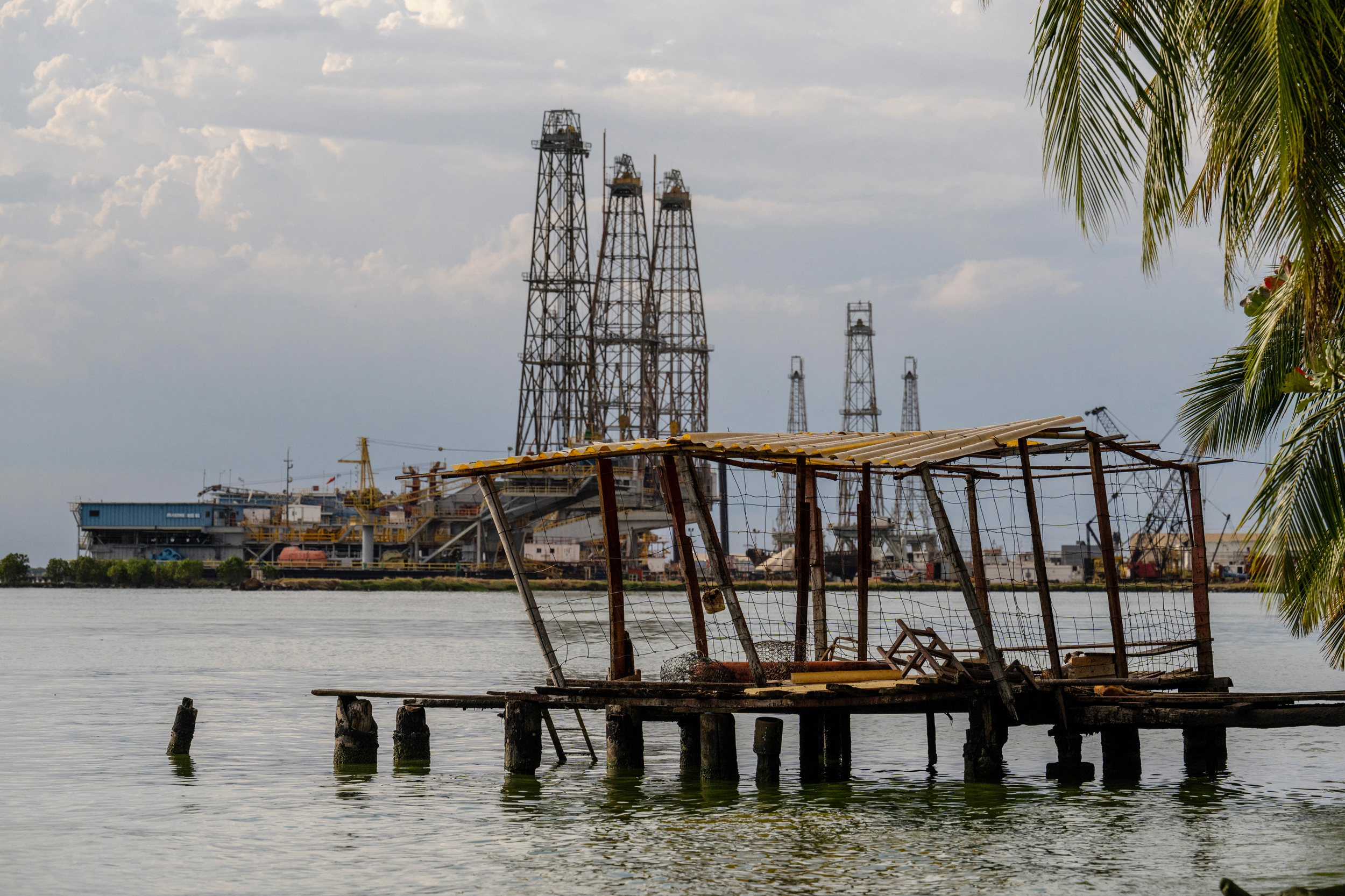
Despite this renewed interest, the path to higher output faces a critical bottleneck in infrastructure and rig availability. Baker Hughes reported only two active drilling rigs in the country as of August, a stark contrast to the 93 units the Hydrocarbons Ministry targets by 2028. Rystad estimates that at least 50 rigs must be operational within four years to meet production goals, rising to 80 by 2030. While SLB has signaled that up to 15 rigs could be reactivated within a year, the industry must overcome significant logistical hurdles to rebuild the supply chain.



Comments (0)
No comments yet. Be the first!