
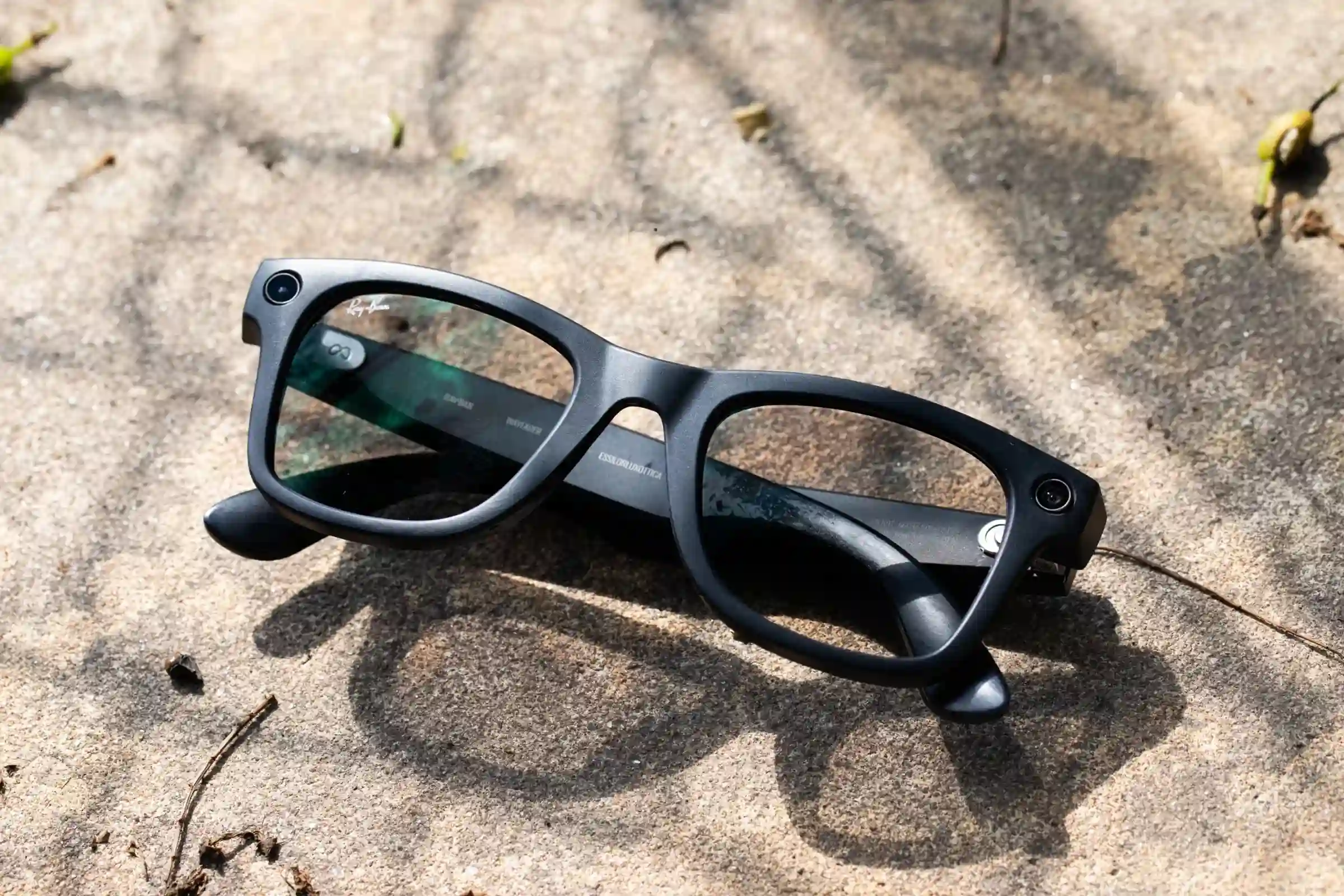
The company’s latest hardware prototypes, which lack cameras entirely, feature six microphones and a lightweight frame aimed at casual, all-day wear. By removing the optics, Meta hopes to sidestep the 'pervert glasses' branding that plagued its earlier camera-equipped models. During demos, the devices functioned as persistent audio companions, handling phone calls, music playback, and voice-activated tasks through Muse, the company’s new agentic AI system.
Integrating Muse into the hardware allows users to delegate digital chores, such as managing emails or checking to-do lists, via verbal commands. While the AI occasionally struggled to distinguish between the wearer's instructions and ambient conversation during testing, the potential for hands-free utility is clear. Beyond productivity, Meta is also targeting the hearing aid market. With development spanning five years, these specialized glasses offer sound amplification in both focused and omnidirectional modes. At a $150 price point, they offer a stark alternative to traditional medical-grade hearing aids that often retail for over $1,600.


.jpg)

Comments (0)
No comments yet. Be the first!