
Wayve is pursuing a strategy of integration, recently securing a commercial partnership with Mercedes-Benz to embed its automated driving software into consumer vehicles. This approach mirrors existing deals with Nissan and Stellantis, positioning the startup to gain market access without the immediate capital intensity of owning a full fleet. Conversely, Waymo is focusing on density, concentrating roughly 80% of its 4,000-vehicle fleet within California and Texas. The company’s footprint in Texas has expanded by over 49% in just three weeks, signaling a deliberate push to dominate specific high-growth regions.
Autonomous vehicle firms shift focus to commercial scaling
Autonomous driving technology is transitioning from experimental testing to commercial application, forcing companies to choose between aggressive geographic concentration or broad partnership networks. While some firms chase scale through high-volume robotaxi deployments, others are navigating regulatory scrutiny and complex logistics to prove their systems can operate safely at mass-market levels.
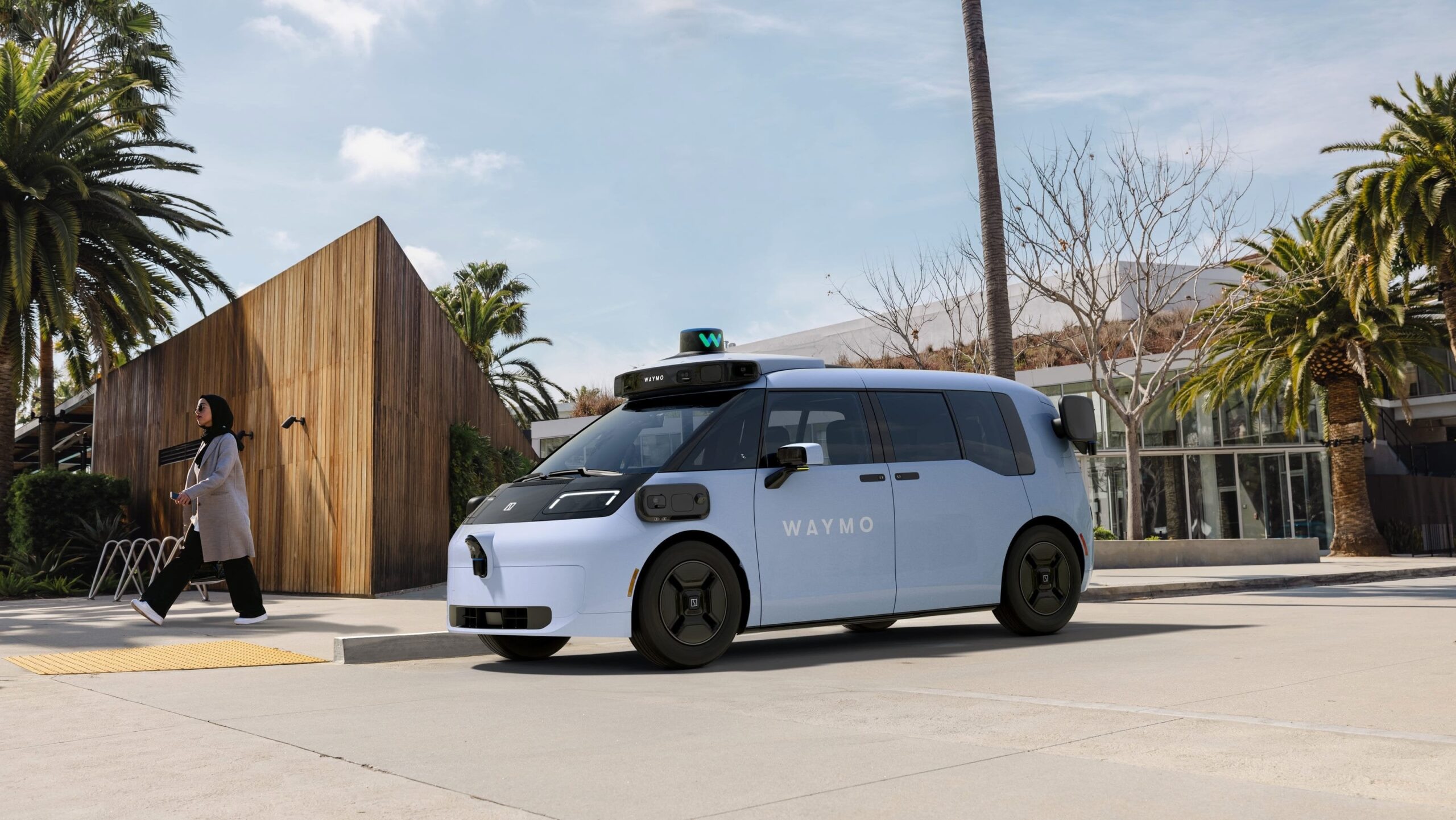
Scaling efforts are not without friction. Zoox recently grounded its test fleet in Atlanta following reports that safety drivers were exposed to hazardous gases inside its vehicles. The incident, which triggered an inquiry by the Occupational Safety and Health Administration, highlights the operational risks inherent in moving from controlled testing to real-world deployment. Meanwhile, Aurora is targeting long-haul logistics with a goal of operating 30,000 driverless trucks by 2030, a roadmap CEO Chris Urmson claims marks the company’s transition out of the development phase. As these companies refine their business models, the broader industry is seeing a wave of IPO activity, with firms like Carro, Spinny, and May Mobility exploring public listings to fuel their next stage of growth.



Comments (0)
No comments yet. Be the first!