Gas prices in Europe have surged past €80 per megawatt hour, forcing a continent-wide scramble for cheaper fuel. With the energy market reeling from the fallout of the Strait of Hormuz closure and subsequent supply volatility, utilities are returning to coal to keep the lights on through the winter.
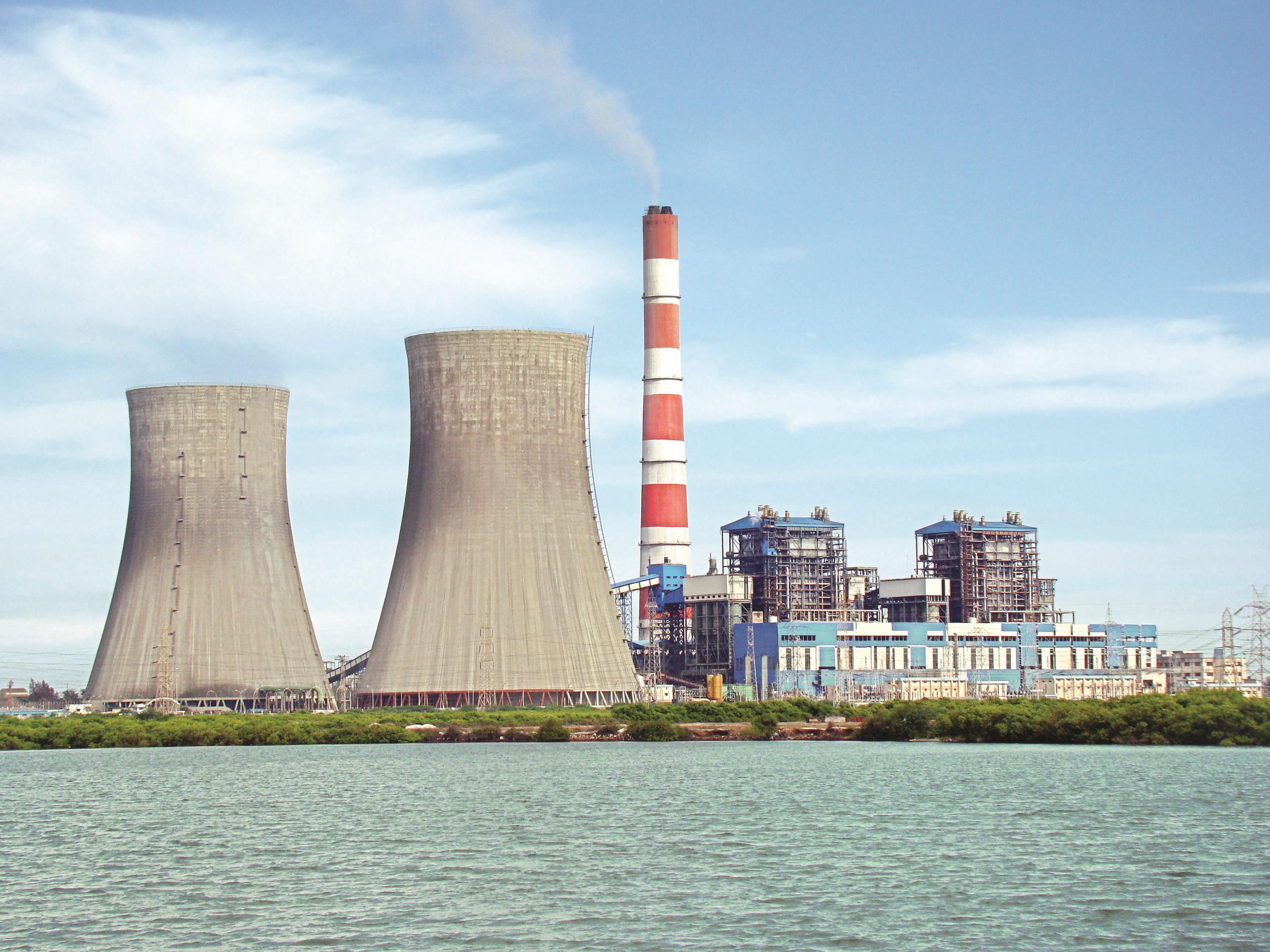
The current price spike marks the third major energy crisis to hit Europe in four years. While European leaders had pledged to overhaul the energy mix following the conflict in Ukraine, the current reality remains dominated by short-term survival. For the first time in years, coal-fired power has become more cost-effective than natural gas, prompting a reversal of long-standing decarbonization trends in major economies like Germany.
Analysts at Veyt expect this price disparity to persist until at least 2028, as traders price in long-term supply constraints. However, coal’s resurgence faces a physical bottleneck: years of aggressive policy have shuttered much of the continent's infrastructure. Eurostat figures show coal’s contribution to the EU’s electricity mix fell from over one-third in 1990 to just 9.2 percent by 2025, effectively placing a ceiling on how much the region can rely on the fossil fuel.
While Europe’s coal pivot is constrained by aging infrastructure and climate policy, emerging economies in Asia continue to expand their coal capacity. Global reliance on the fuel remains the primary driver of greenhouse gas emissions, complicating international climate goals. To mitigate future volatility, investors are increasingly framing renewable energy not just as a climate solution, but as a strategic security asset. Because wind and solar generation cannot be blockaded or embargoed by foreign adversaries, they are increasingly viewed as the only viable buffer against the recurring cycles of energy insecurity.




Comments (0)
No comments yet. Be the first!