
Between September 1 and 28, the Persian Gulf region exported 16.5 million barrels of crude per day, matching prewar averages. However, the mechanism of this recovery reveals a fundamental change in logistics: before the conflict, 83 percent of crude traversed the Strait of Hormuz, but that figure has plummeted to 60 percent. Producers are increasingly utilizing pipelines through Saudi Arabia and the United Arab Emirates to circumvent the waterway.
Iran’s Grip on the Strait of Hormuz Softens as Export Routes Shift
With 40 percent of regional crude now bypassing the Strait of Hormuz, Iran’s historic leverage over global energy chokepoints is eroding. While export volumes have rebounded to near-prewar levels, the reliance on pipelines and offshore transfers suggests a permanent structural shift in how oil reaches the global market.
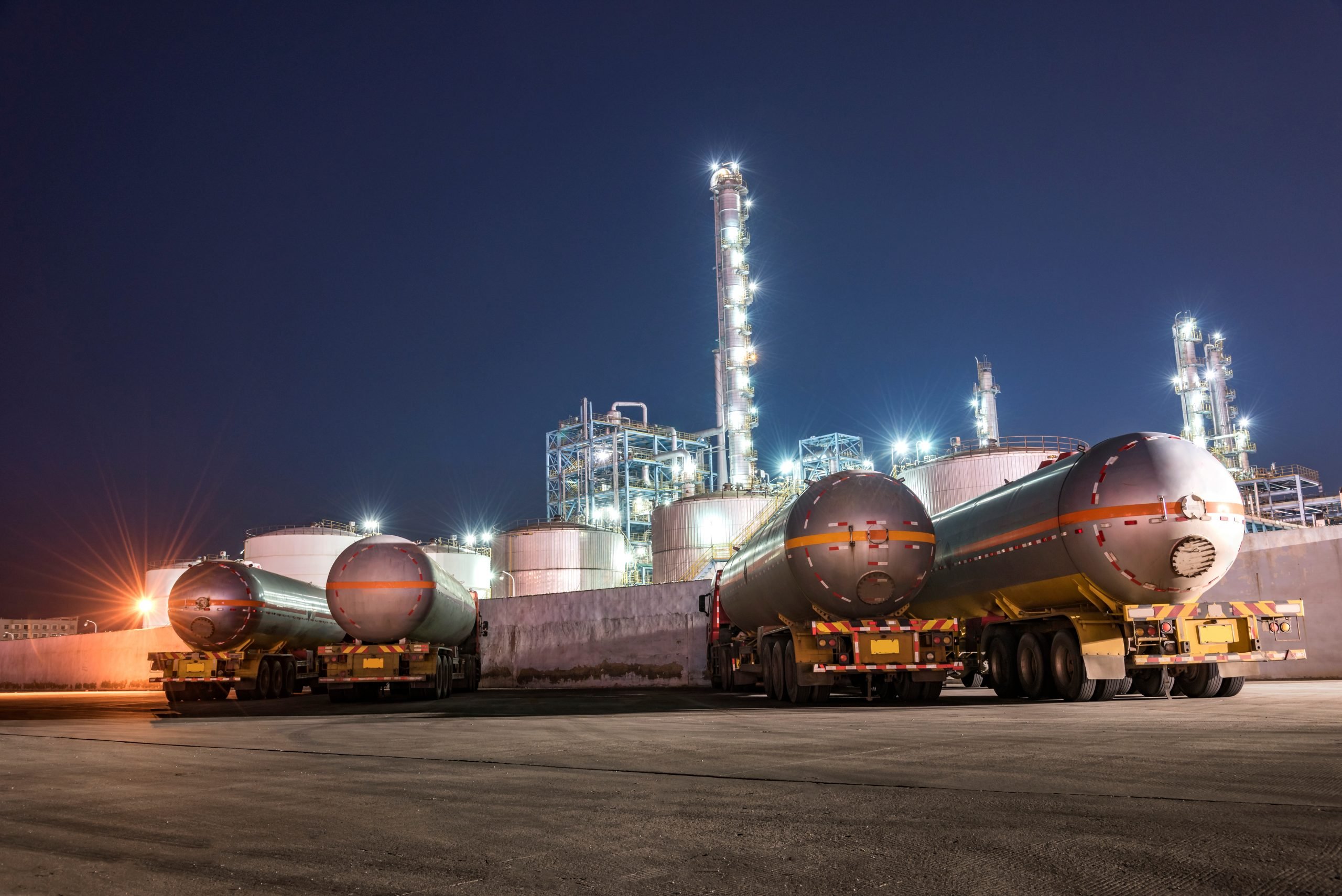
This shift reflects a decline in Tehran's ability to weaponize the strait. According to energy analyst Ellen R. Wald, Iran’s capacity or willingness to target commercial vessels has diminished, bolstered by the presence of US military escorts. Yet, the energy market remains far from stable. Over 70 percent of crude passing through the region still requires offshore ship-to-ship transfers, a process fraught with high insurance costs and operational risks. These expenses, coupled with the ongoing need for military protection, ensure that a 'war premium' remains priced into global oil, preventing a return to prewar market conditions. While Tehran’s coercive influence is waning, the persistent necessity for costly workarounds confirms that the region’s energy infrastructure remains tethered to a state of managed crisis.




Comments (0)
No comments yet. Be the first!