
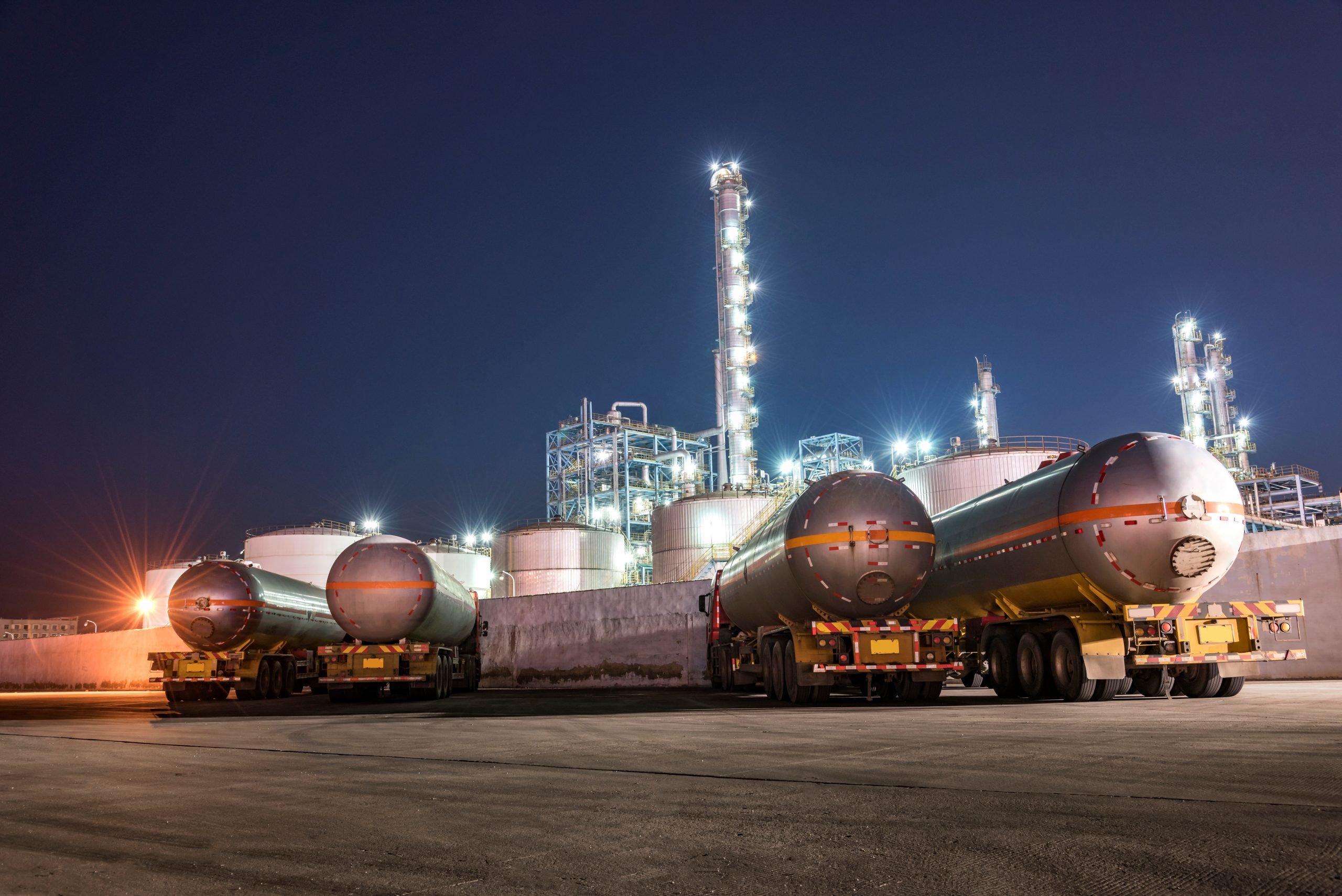
The return of crude flows to pre-war volumes masks a deeper market dysfunction. Shipping remains expensive and perilous; tankers traversing the Strait of Hormuz face high war-risk premiums, while alternative transit routes are inefficient and costly. These logistical hurdles are compounded by a global diesel shortage, as refiners struggle to maintain high output amid limited fuel exports from the Middle East and Russia, alongside China’s decision to prioritize domestic supply.
Global inventories are currently too thin to act as a meaningful buffer against fresh escalations. This scarcity leaves the market hyper-sensitive to any disruption, a point underscored by Saudi Aramco CEO Amin Nasser, who warned that the world’s supply resilience cushion is "scarily thin." Even the G7’s recent announcement regarding the release of 100 million barrels of crude and diesel did little to cool prices, as traders remain skeptical about how much of that supply is genuinely new versus previously pledged stock.



Comments (0)
No comments yet. Be the first!