
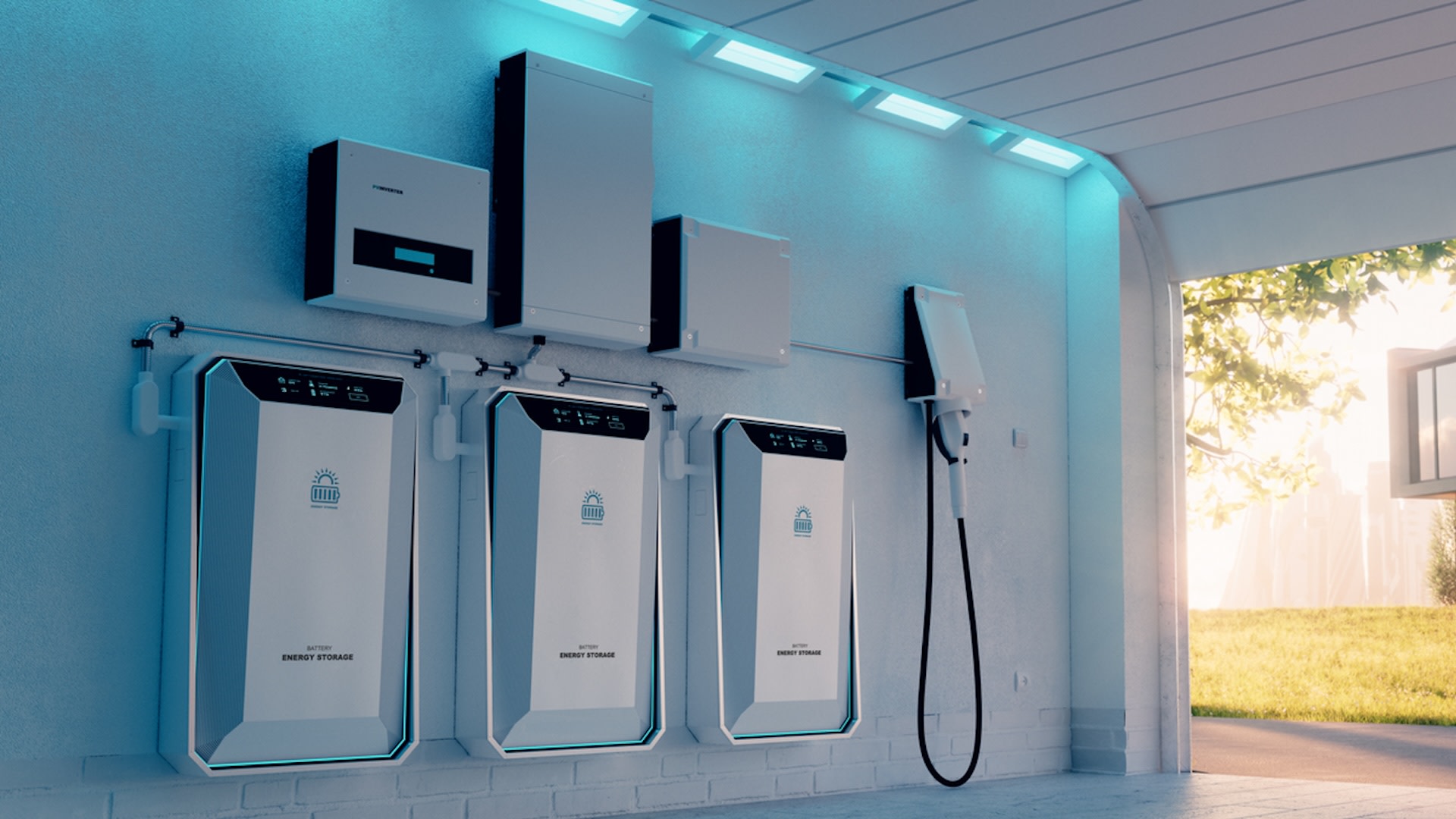
This massive surge was not the work of a traditional utility, but a virtual power plant (VPP). By aggregating thousands of distributed energy resources—such as smart thermostats, EV chargers, and home batteries—software can coordinate these devices to act as a single, dispatchable power source. While a conventional plant relies on a central location and burning fuel, a VPP leverages existing hardware already installed in garages and warehouses across the grid.
The Mechanics of Distributed Power
A VPP functions through three distinct layers: the physical devices, an aggregator that manages software signals, and the grid operator who buys the service. When demand spikes, the aggregator instructs devices to pause consumption or release stored energy. This model is gaining urgency as AI data centers and heat pumps strain aging infrastructure. According to the U.S. Department of Energy, tripling domestic VPP capacity to 160 gigawatts by 2030 could save $10 billion annually in grid costs. Beyond cost, these networks provide critical stability, as demonstrated in South Australia, where a VPP helped maintain frequency when a major coal unit tripped offline.


Comments (0)
No comments yet. Be the first!