
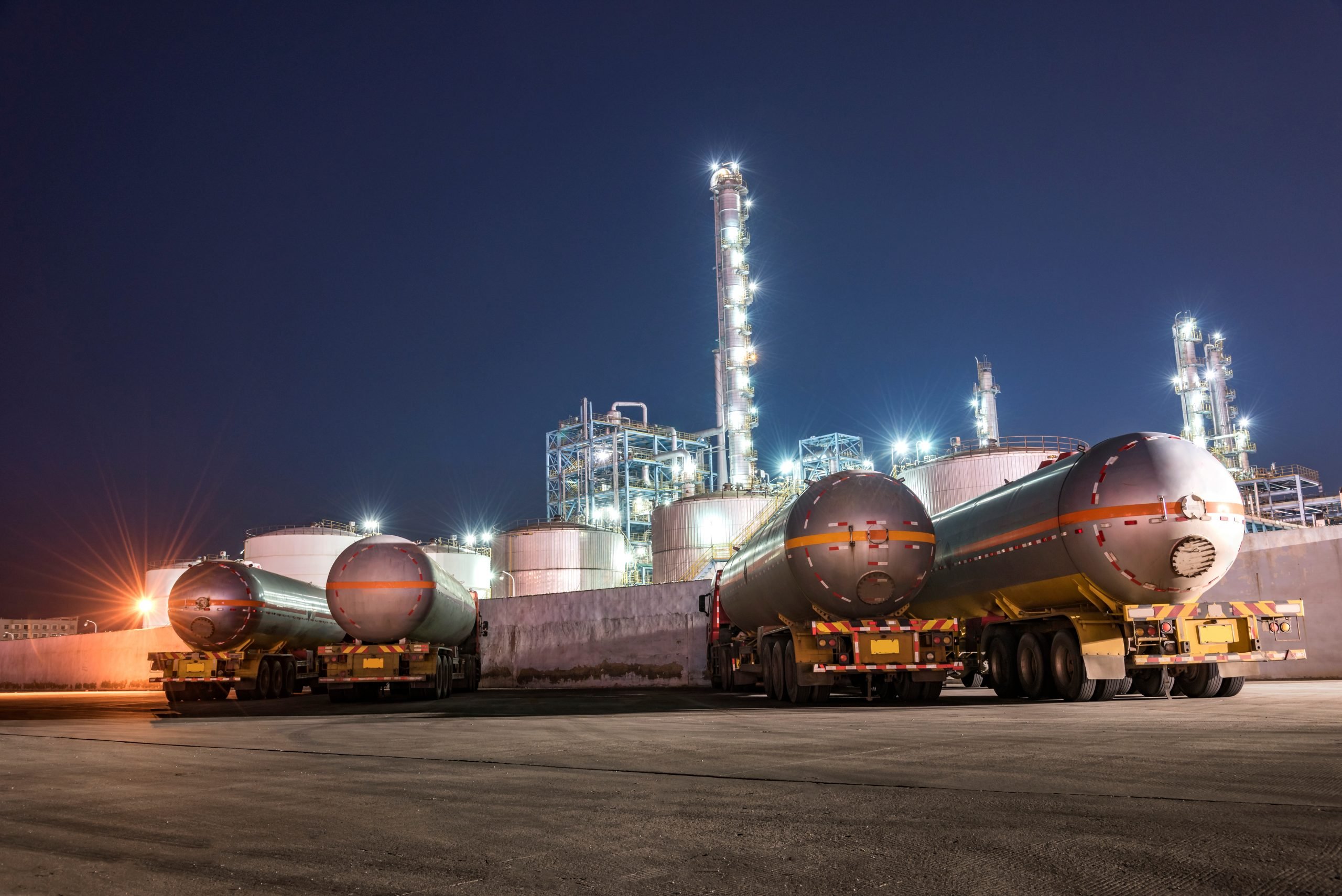
The ship-to-ship transfer process, where smaller vessels ferry oil through the Strait of Hormuz before reloading onto larger tankers, has become a fragile lifeline for global markets. With Western inventories depleted, the industry now depends on this precarious flow to keep energy supplies moving. However, the surge in attacks on tankers, including at least 12 incidents involving oil, LNG, and LPG vessels in early October, has forced the market into a state of extreme volatility.
Beyond the security risk, the logistical reality is deteriorating. The shuttle-shipping model is inherently inefficient, forcing tankers to sit idle for weeks while waiting for cargo. This capacity crunch has effectively removed ships from the global fleet, causing freight rates to skyrocket. Daily earnings for crude vessels recently breached $500,000, roughly ten times the 2025 average. For refiners, the cost of moving crude from Saudi Arabia to Rotterdam has ballooned from $2 per barrel last year to over $35 in September.




Comments (0)
No comments yet. Be the first!