
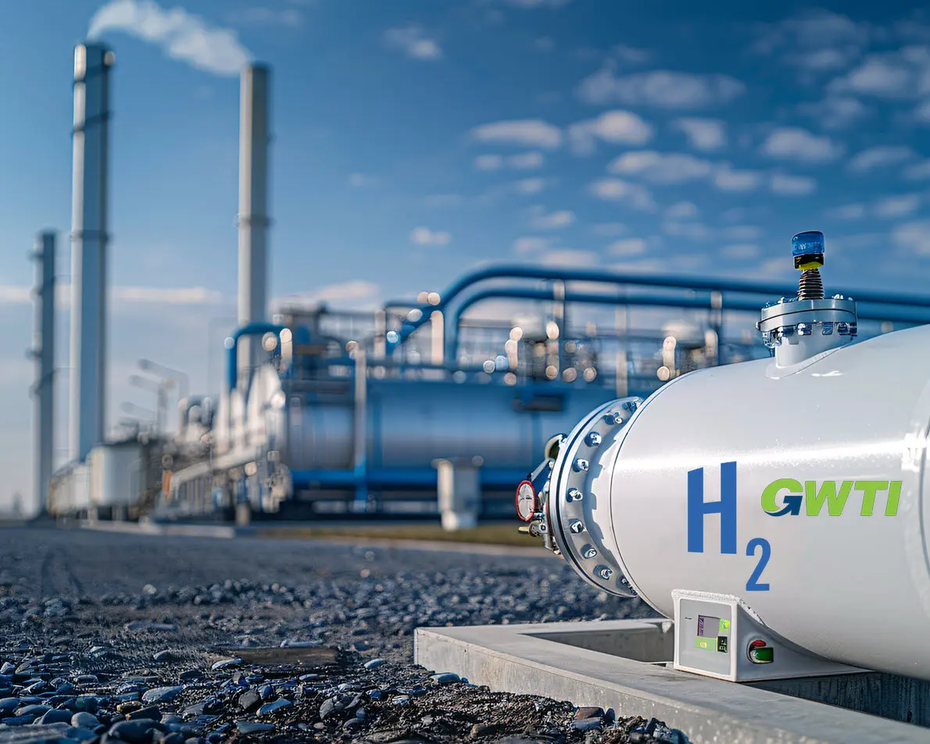
The primary obstacle for green hydrogen has long been an inefficient, energy-intensive production process, leading the International Renewable Energy Agency to caution against its indiscriminate adoption. However, a surge in funding following recent regional conflicts has catalyzed a wave of scientific innovation aimed at slashing costs and improving output.
At Oregon State University, researchers recently pioneered a method for deriving hydrogen from water using only sunlight and sulfur-based chemistry. This approach, known as photocatalysis, effectively bypasses the need for electricity-driven water splitting. Meanwhile, MIT engineers have successfully developed an electrochemical process to extract high-purity hydrogen from ammonia at significantly lower temperatures than traditional methods. Even more cost-effective potential lies in Chinese research, which utilized agricultural waste sugars to drop production costs to $1.54 per kilogram, reaching parity with natural gas.


/nginx/o/2024/07/18/16228922t1h8f8f.jpg)

Comments (0)
No comments yet. Be the first!