
Sen argues that crude prices should reflect a much higher valuation, potentially reaching $150 a barrel for certain physical grades. She attributes this market complacency to an over-reliance on political narratives, specifically the belief that the U.S. government can suppress prices ahead of mid-term elections. This focus on domestic policy has blinded traders to the reality of physical damage and mounting logistical bottlenecks.
Energy Analysts Warn of Oil Market Disconnect
Oil futures are failing to account for the volatile reality of Middle Eastern infrastructure, according to Amrita Sen of Energy Aspects. Despite escalating hostilities and direct threats to shipping in the Strait of Hormuz, current market pricing remains detached from the severe physical disruptions occurring on the ground.
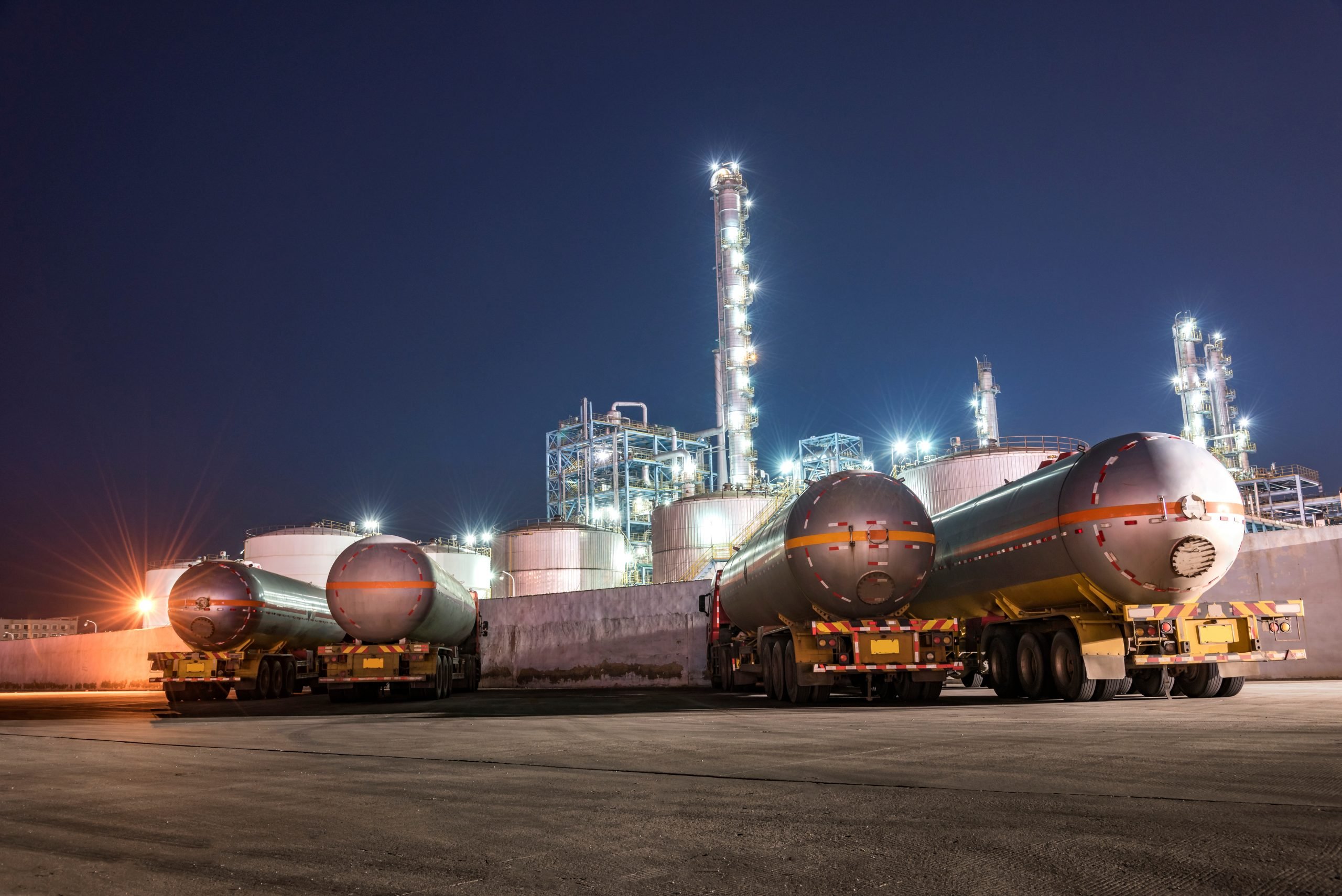
The crisis has now spilled into the shipping sector, creating an inefficient bottleneck as vessels engage in complex ship-to-ship transfers outside the Strait of Hormuz. Russell Hardy, CEO of Vitol, confirmed that the industry is facing a genuine shortage of available tankers. With more oil forced onto longer, less efficient routes, global freight rates have soared to record highs. While traders focus on futures contracts, the physical market is grappling with a supply chain crisis that threatens to stifle the rebound of Middle East oil exports.



Comments (0)
No comments yet. Be the first!