
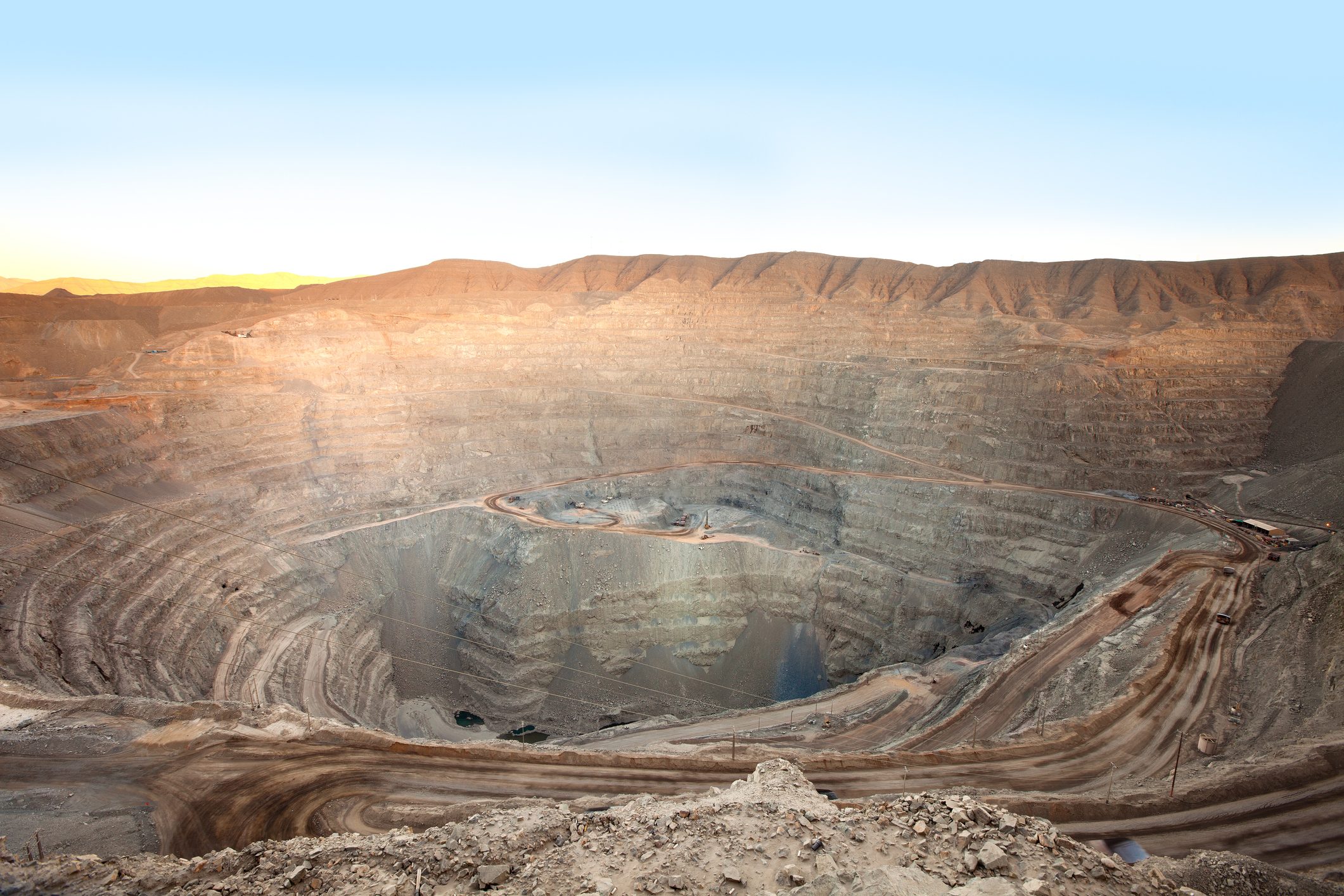
Copper leads the expansion, featuring in 19 of the 46 new initiatives essential for upgrading power grids. The commission is also prioritizing battery materials, including nickel, cobalt, and lithium, while dedicating 19 projects specifically to recycling. This shift reflects a broader strategy to secure supply chains by recovering materials domestically rather than relying solely on extraction. Rare earths remain a vulnerability, with only four projects targeting these critical components used in wind turbines and electric motors.
EU expands raw material projects despite lingering funding gaps
The European Commission has designated 46 new mining and recycling initiatives as strategic investments, aiming to curb reliance on Chinese imports. While these projects span 16 countries and focus heavily on copper and battery components, internal data reveals that previous selections have yet to receive significant financial support from Brussels.
EU industry commissioner Stéphane Séjourné defended the program’s progress in Brussels, highlighting the Keliber lithium site in Finland and the Carester magnet recycling plant in France as success stories. He noted that the Carester facility could eventually supply 15 percent of global dysprosium and terbium oxides. However, these featured projects were already well underway before the commission granted them strategic status in March 2025. Critics point out that the official designation provides administrative support but fails to bridge the substantial funding gap preventing new, less advanced ventures from reaching production.



Comments (0)
No comments yet. Be the first!