
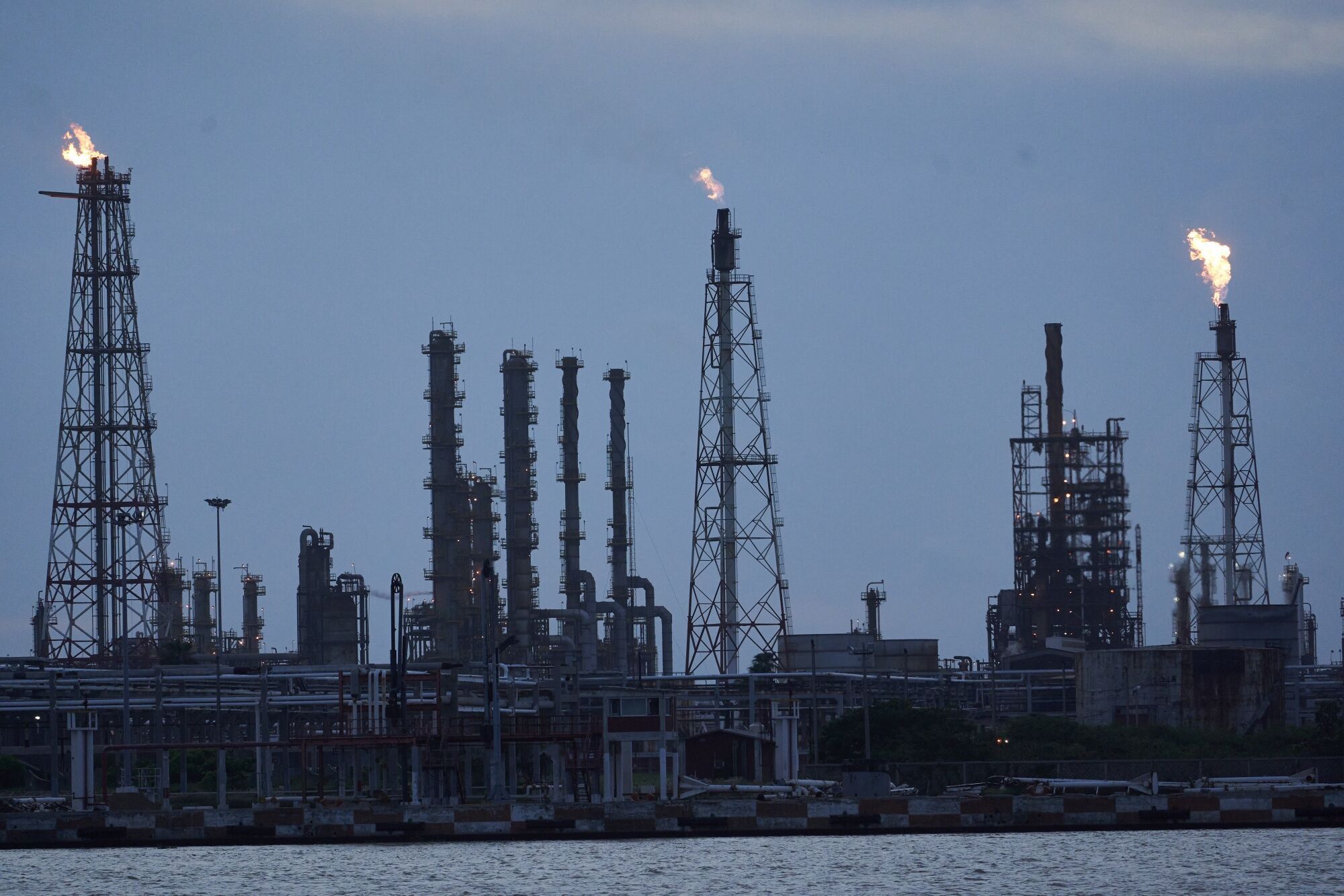
Mexico currently imports two-thirds of its energy despite holding significant domestic reserves, leaving the nation vulnerable to global market volatility. With only 2.4 days of gas storage capacity, the country remains highly exposed to supply shocks. While the administration views expanded oil production as the primary remedy for this insecurity, the International Institute for Sustainable Development (IISD) suggests this strategy is fundamentally flawed. Analysts argue that capital expenditure on uncommercial fields will fail to deliver promised security gains and may never meet planned production timelines.
The debate extends beyond economics into environmental territory. A recent partnership between Mexico’s Pemex and Brazil’s Petrobras to explore deepwater fields in the Gulf of Mexico has drawn sharp criticism from groups like Oceana. Critics warn that such projects risk displacing coastal communities, increasing spill hazards, and derailing national decarbonization commitments. Renata Terrazas of Oceana noted that the lack of transparency surrounding these state-run operations creates significant uncertainty for the public.


Comments (0)
No comments yet. Be the first!