
Japan is positioning itself as a regional architect for energy stability, leveraging its status as the world’s third-largest holder of strategic crude reserves. Tokyo maintains 263 million barrels in its inventory, trailing only China’s 1.397 billion and the United States’ 413 million. The Asia Zero Emission Community, previously focused solely on decarbonization, recently pivoted to prioritize coordinated oil releases and infrastructure development to counter supply shocks stemming from the Middle East conflict.
Japan Shifts Asian Energy Policy Toward Strategic Oil Reserves
With over 90% of its crude imports vulnerable to transit disruptions in the Strait of Hormuz, Japan is pressuring Asian neighbors to abandon climate-first agendas in favor of immediate stockpile expansion. Trade Minister Ryosei Akazawa signaled that Tokyo now prioritizes energy security over long-term emission reduction targets.
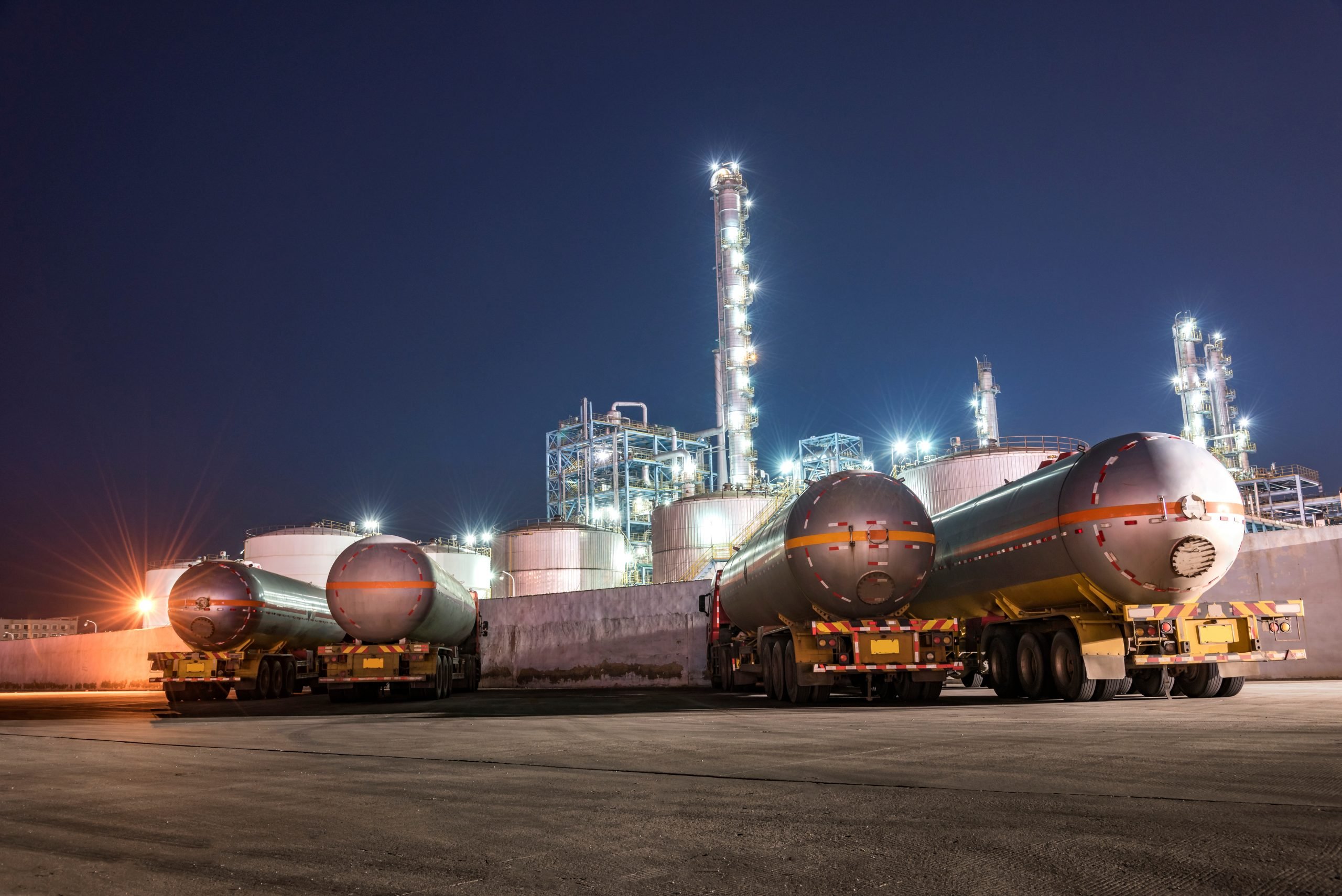
Government officials emphasize that Japan’s deep experience with strategic stockpiling makes it the natural leader for this shift. By acting as a diplomatic bridge between regional importers and Middle Eastern producers, Tokyo aims to fortify the supply chain against the volatility that has already threatened tanker routes near the Strait of Hormuz. This redirection of policy underscores a sobering reality: for energy-dependent Asian economies, the necessity of maintaining consistent oil flows currently outweighs the transition to greener alternatives.



Comments (0)
No comments yet. Be the first!