
Sánchez’s tenure has been defined by a succession of unprecedented crises, ranging from the Covid-19 pandemic and a volcanic eruption in the Canary Islands to corruption allegations involving his inner circle. Jalloul Muro, who serves in the European Parliament with the S&D group, frames the upcoming vote as a fundamental clash between two incompatible visions for Spain. She argues the PSOE represents a progressive defense of public services and wages, while the opposition—a potential coalition of the People’s Party and the far-right Vox—threatens to accelerate privatization and social inequality.
Pedro Sánchez faces electoral reckoning amid housing and migrant crises
“The issue is, do we have another leader to replace Pedro Sánchez?” asks Hana Jalloul Muro, a former Spanish congresswoman and key ally of the prime minister. As the PSOE party trails the centre-right in polls, Sánchez prepares for a high-stakes snap election on 5 October triggered by nationwide housing protests.
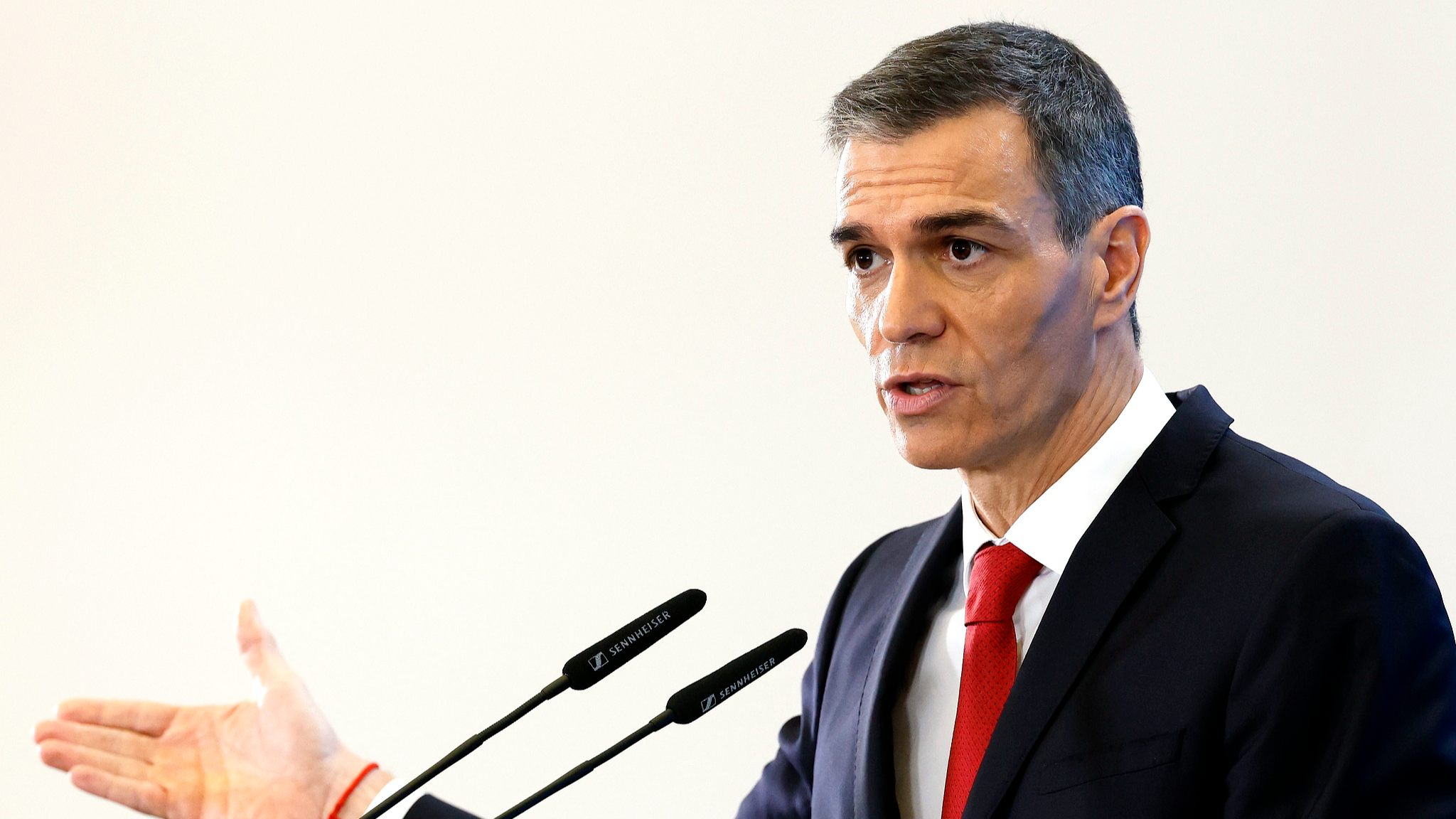
The political pressure is further intensified by the fallout from the Ceuta migrant crisis, which saw 70,000 arrivals in under 72 hours. While critics view the event as an act of leverage by Morocco, Jalloul Muro defends the government’s handling of the situation. She maintains that the administration’s diplomatic ties with Rabat were the only reason authorities successfully processed the return of 90 percent of those migrants. With the election date looming, the government’s ability to survive the current climate of unrest remains the central question for the future of the Spanish left.



Comments (0)
No comments yet. Be the first!