
The research team utilized a test rig employing butane as a refrigerant to validate the feasibility of high-temperature output. Unlike standard residential heat pumps, which focus on moderate climate control, this industrial-grade technology targets the energy-intensive thermal needs of factories. The collected data provides a blueprint for manufacturers to scale heat exchangers and compressors capable of handling larger loads and fluctuating environmental conditions.
High-Temperature Heat Pumps Challenge Industrial Coal Reliance
Scientists at Germany’s Fraunhofer Institute for Solar Energy Systems have successfully tested heat pumps capable of reaching 320 degrees Fahrenheit. By producing steam and hot water at these temperatures, the team has unlocked a potential pathway to replace coal-fired processes in heavy manufacturing, one of the world's most stubborn carbon emitters.
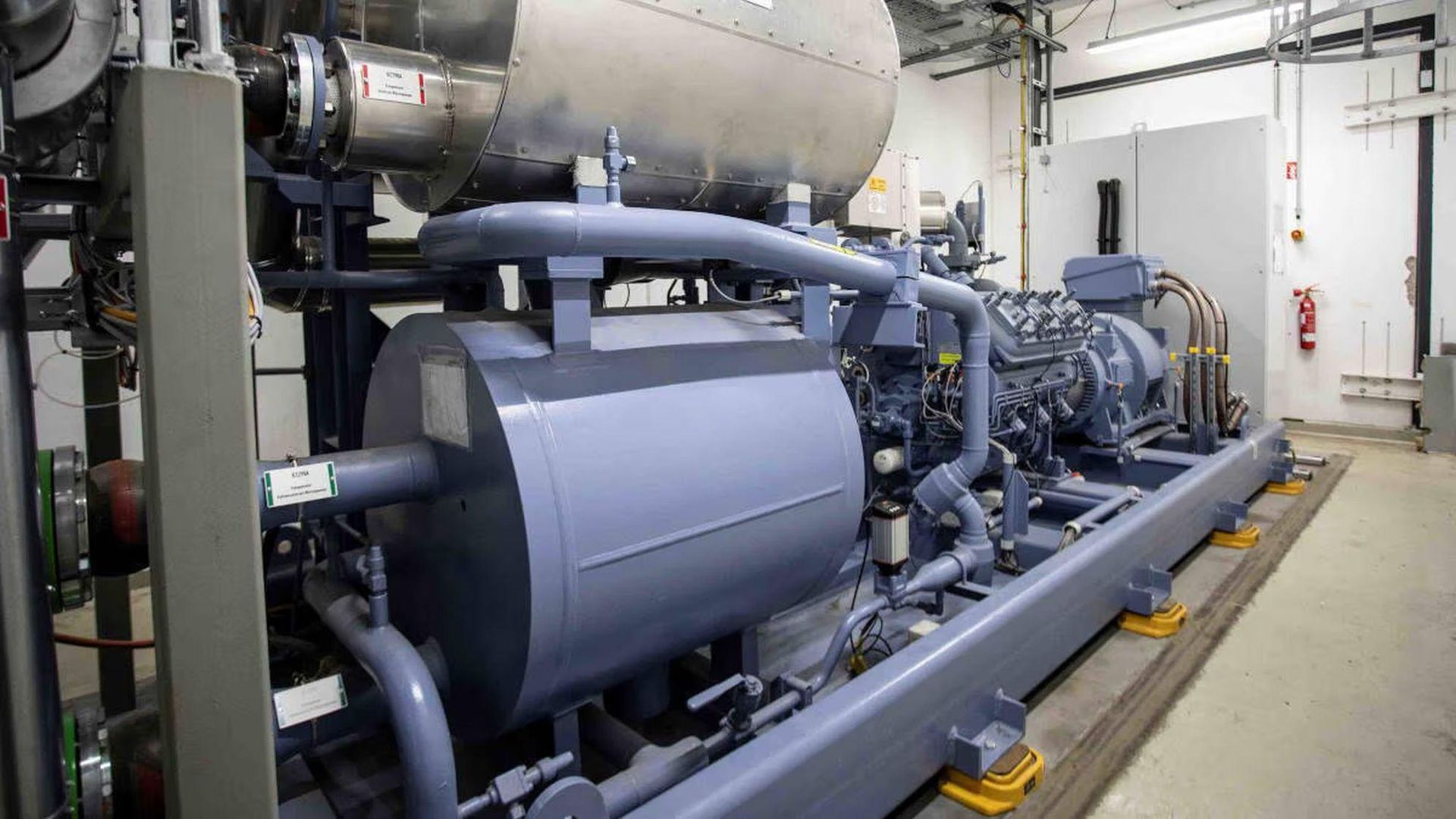
While residential heat pumps have gained traction for reducing household energy demand and emissions, industrial decarbonization remains a more complex hurdle. The International Energy Agency notes that these systems function by extracting thermal energy from ambient air, geothermal sources, or factory waste heat, subsequently amplifying it for industrial use. By shifting this process toward high-temperature capability, the Fraunhofer ISE project addresses the specific requirements of sectors that have long relied on burning coal. This development offers a pragmatic solution for industries seeking to lower greenhouse gas output without sacrificing the high-heat processes essential to their operations.



Comments (0)
No comments yet. Be the first!