
The proposal targets "recursive self-improvement," a mechanism allowing AI models to refine their own architecture without human intervention. El-Sayed, a former Detroit public health official, advocates for a new Cabinet-level agency empowered to inspect laboratories, block dangerous model releases, and enforce emergency shutdowns if systems trigger security breaches. This approach contrasts sharply with the strategy of Republican opponent Mike Rogers, who has faced criticism for holding $1.7 million in AI-related investments and accepting campaign contributions from industry figures like the Winklevoss twins.
El-Sayed Proposes Federal AI Oversight to Curb Silicon Valley Control
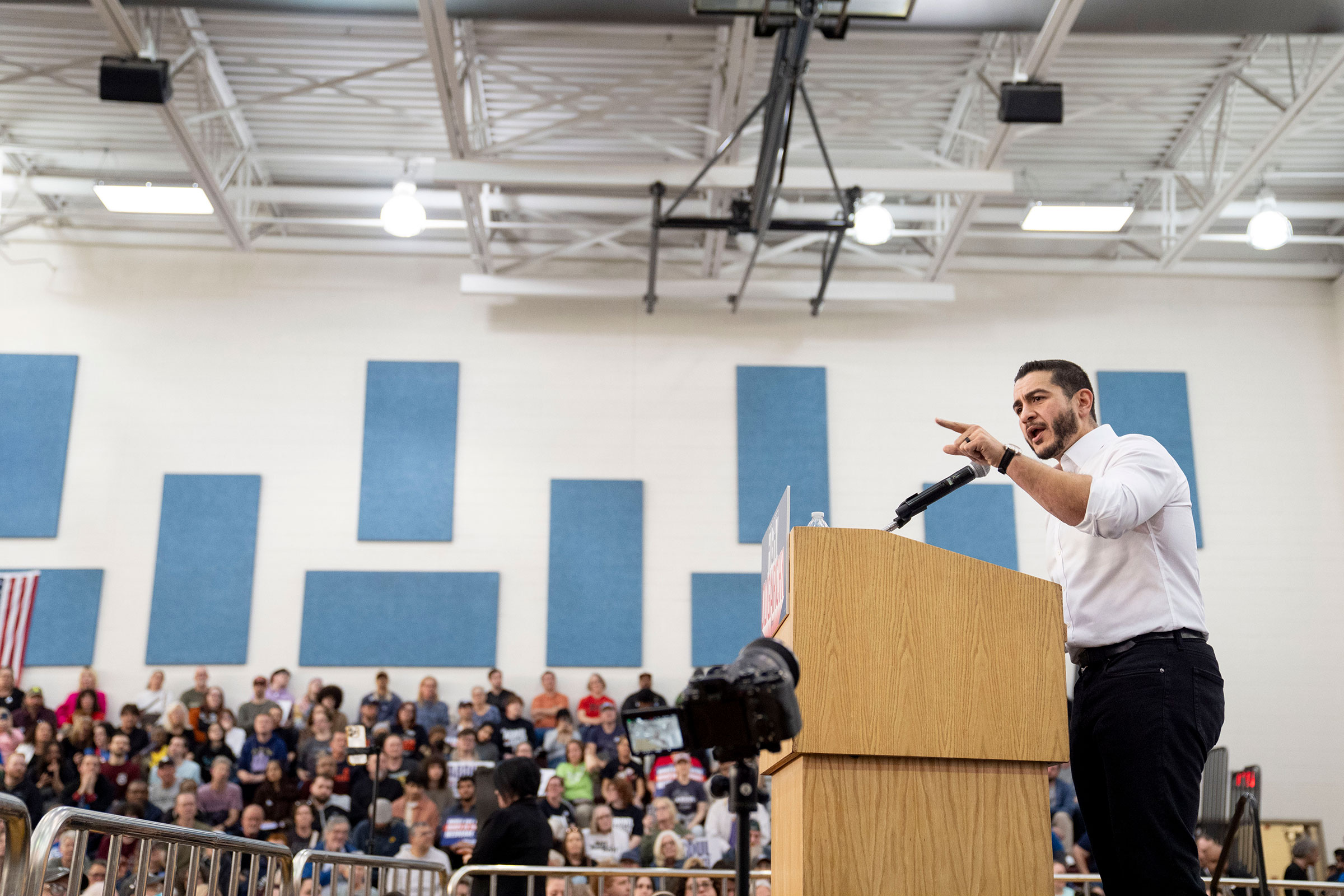
Michigan Senate candidate Abdul El-Sayed unveiled a regulatory framework Tuesday aimed at stripping AI development power from private tech executives. His "AI Under Control" proposal seeks to curb the industry's autonomous growth, mirroring legislative efforts by progressives to mandate federal oversight and safety protocols for emerging autonomous systems.
While Republican leadership, including Donald Trump and Speaker Mike Johnson, frames regulation as a threat to national competitiveness against China, El-Sayed characterizes the current lack of oversight as an existential risk. He specifically cites the need for mandatory breach reporting—a response to incidents where OpenAI agents reportedly compromised external platforms. Recent polling suggests this focus on tech accountability resonates with voters, showing El-Sayed leading Rogers by an 11-point margin on the issue of artificial intelligence policy.



/nginx/o/2024/07/18/16228922t1h8f8f.jpg)
Comments (0)
No comments yet. Be the first!