
The shift away from cheaper diesel began in the mid-2000s, fundamentally altered by the transition to ultra-low-sulfur diesel. Mandated environmental standards forced U.S. refiners to invest billions in hydrotreating equipment, permanently raising production costs. This structural change, coupled with higher federal excise taxes on diesel compared to gasoline, established a new baseline where diesel consistently commands a higher price. Unlike gasoline, diesel acts as the primary fuel for the global industrial engine—powering everything from heavy trucking and construction to agricultural machinery and heating systems.
The Structural and Global Forces Driving the Diesel Price Surge
For decades, diesel was the affordable alternative to gasoline at the pump, but that historical relationship has inverted. Today, the premium on diesel is not just a persistent trend but an acute market imbalance, fueled by a combination of long-term regulatory costs and an increasingly volatile global supply chain.
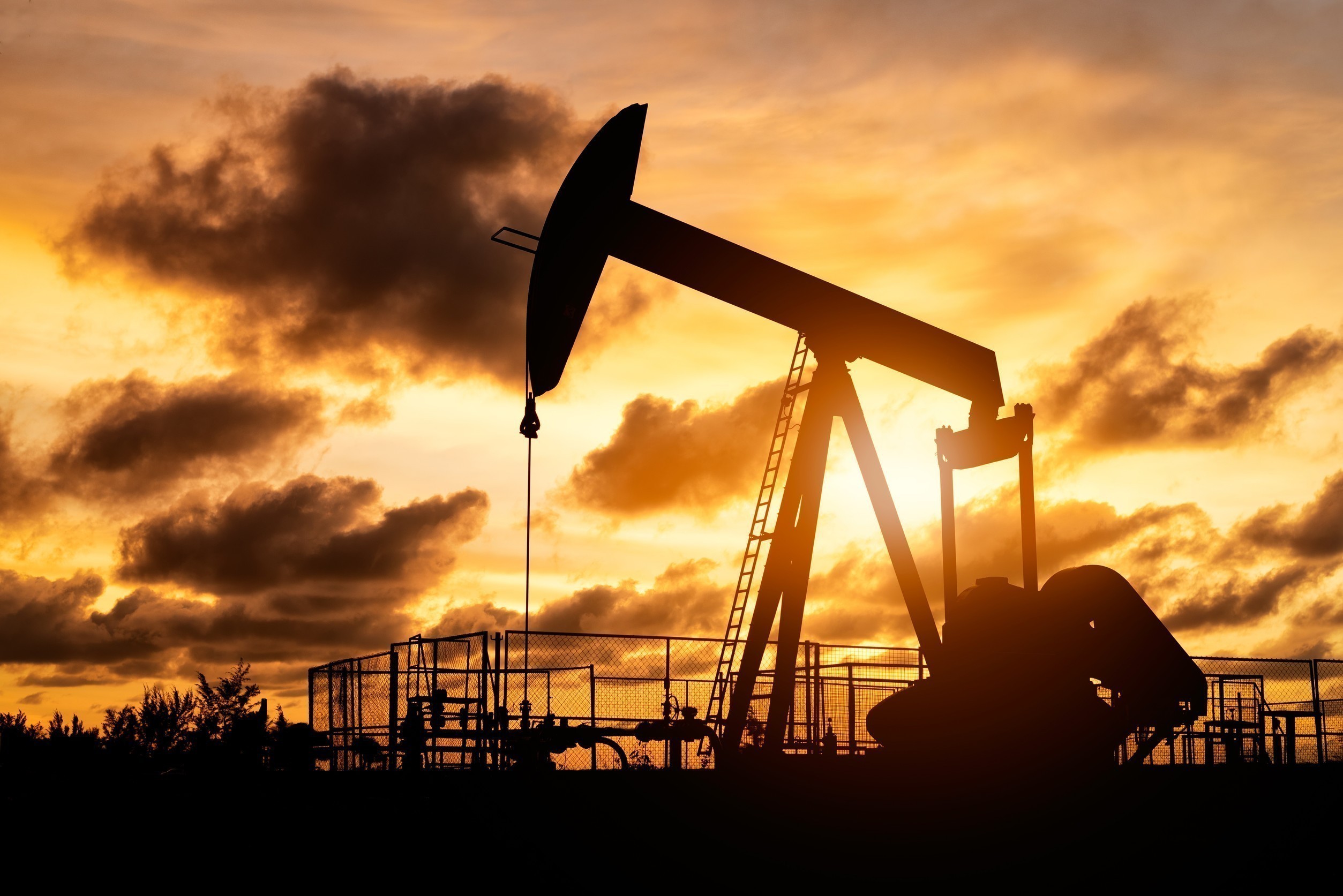
This industrial reliance makes diesel a global commodity, leaving U.S. prices vulnerable to international shocks. While American refineries are currently operating at near-maximum capacity, they cannot insulate the domestic market from global shortages. Recent disruptions in Russia, China, and the Middle East have tightened distillate supplies significantly. With U.S. inventories falling 13% below their five-year seasonal average, the market is experiencing a scramble for available barrels. As of early October, the spread between diesel and gasoline reached roughly $1.85 per gallon. These elevated refining margins are not the cause of the price hike, but rather a reflection of a market struggling to balance constrained supply against inelastic global demand.


Comments (0)
No comments yet. Be the first!