
Addressing fellow leaders at a two-day summit in Brussels, Radev framed the U.S.-Russia deal as a necessary pragmatic step to ensure European competitiveness. His remarks highlight a growing fracture within the bloc, as the Bulgarian leader explicitly rejected the ongoing Ukrainian strategy of targeting Russian oil refineries. According to Radev, such strikes are counterproductive because they inevitably drive energy prices higher across Europe.
Bulgaria Challenges EU Consensus on Trump-Putin Diesel Agreement
Bulgarian Prime Minister Rumen Radev has openly defied the European Union’s unified stance, offering a rare endorsement of the recent diesel agreement between Donald Trump and Vladimir Putin. While Brussels maintains a hardline policy, Radev cited the urgent need to lower soaring fuel prices as his primary motivation.
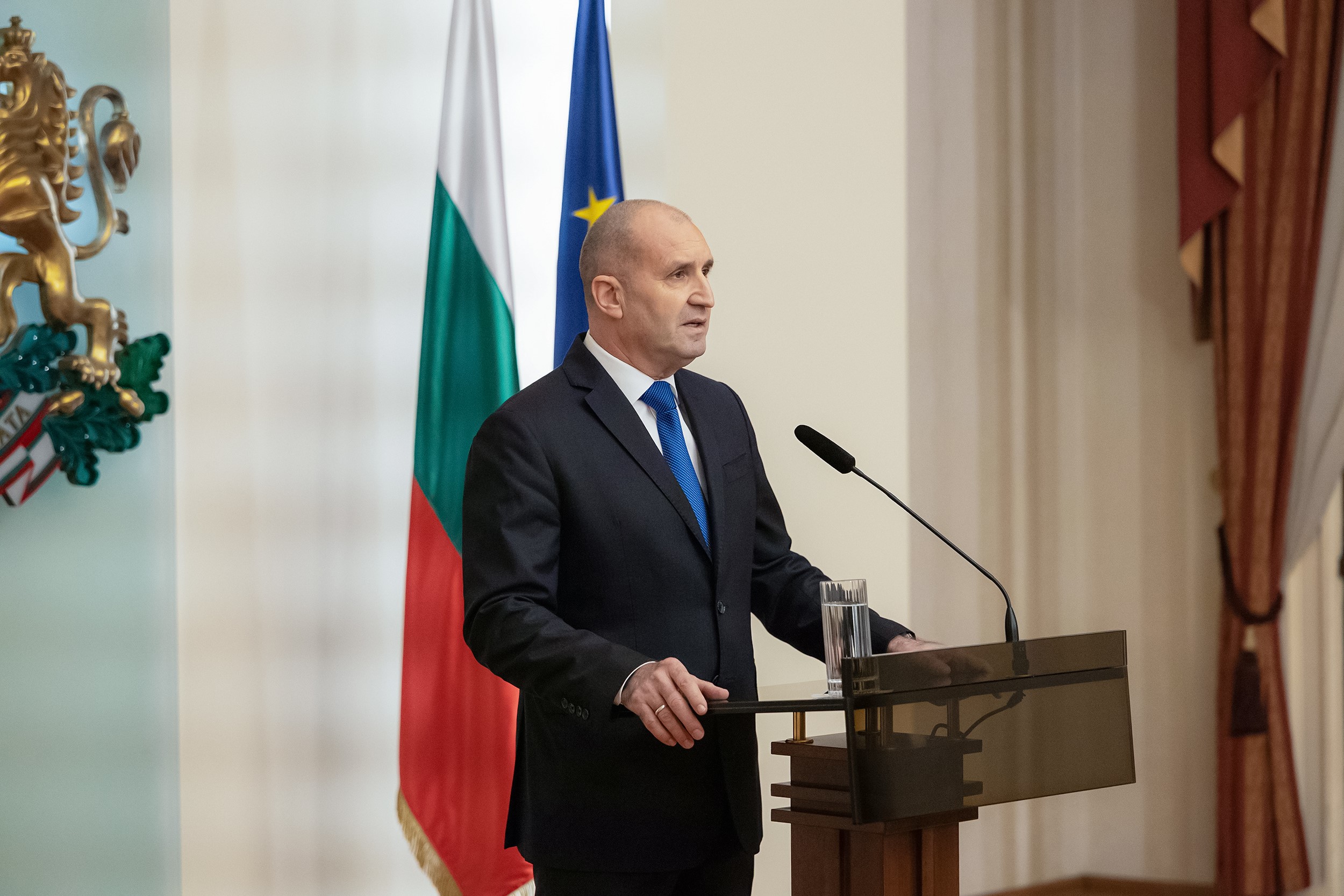
This position puts Sofia at direct odds with EU foreign policy chief Kaja Kallas, who characterized the diesel deal as a gift to the Kremlin. Kallas argued that the agreement fails to account for Russia's continued attacks on Ukrainian civilian infrastructure. Since his Progressive Bulgaria party secured victory in April, Radev has systematically dismantled his predecessor's pro-Ukraine policies, including halting arms shipments and openly criticizing EU sanctions as moral posturing. While analysts suggest Radev is unlikely to risk the vital EU funding that sustains the Bulgarian economy, his rhetoric signals a significant shift toward a more Russia-friendly posture on the alliance's southeastern flank.




Comments (0)
No comments yet. Be the first!