
The expanded collaboration centers on three specific Nvidia components: the Hyperion sensor and compute architecture, the Alpamayo software stack, and the Halos safety evaluation layer. According to Ali Kani, head of Nvidia’s automotive division, the system utilizes a redundant approach by running AI-driven models alongside traditional machine learning and perception software. This multimodal philosophy is designed to enhance safety by leveraging radar and camera data simultaneously.
Volvo deepens Nvidia partnership to overhaul automated driving
Volvo is integrating Nvidia’s Hyperion architecture into its future vehicle lineup, shifting its strategy to become a full-stack technology developer. By combining its own safety engineering with Nvidia’s Alpamayo software and sensor suites, the automaker aims to deploy automated driving systems capable of navigating both city streets and highways.
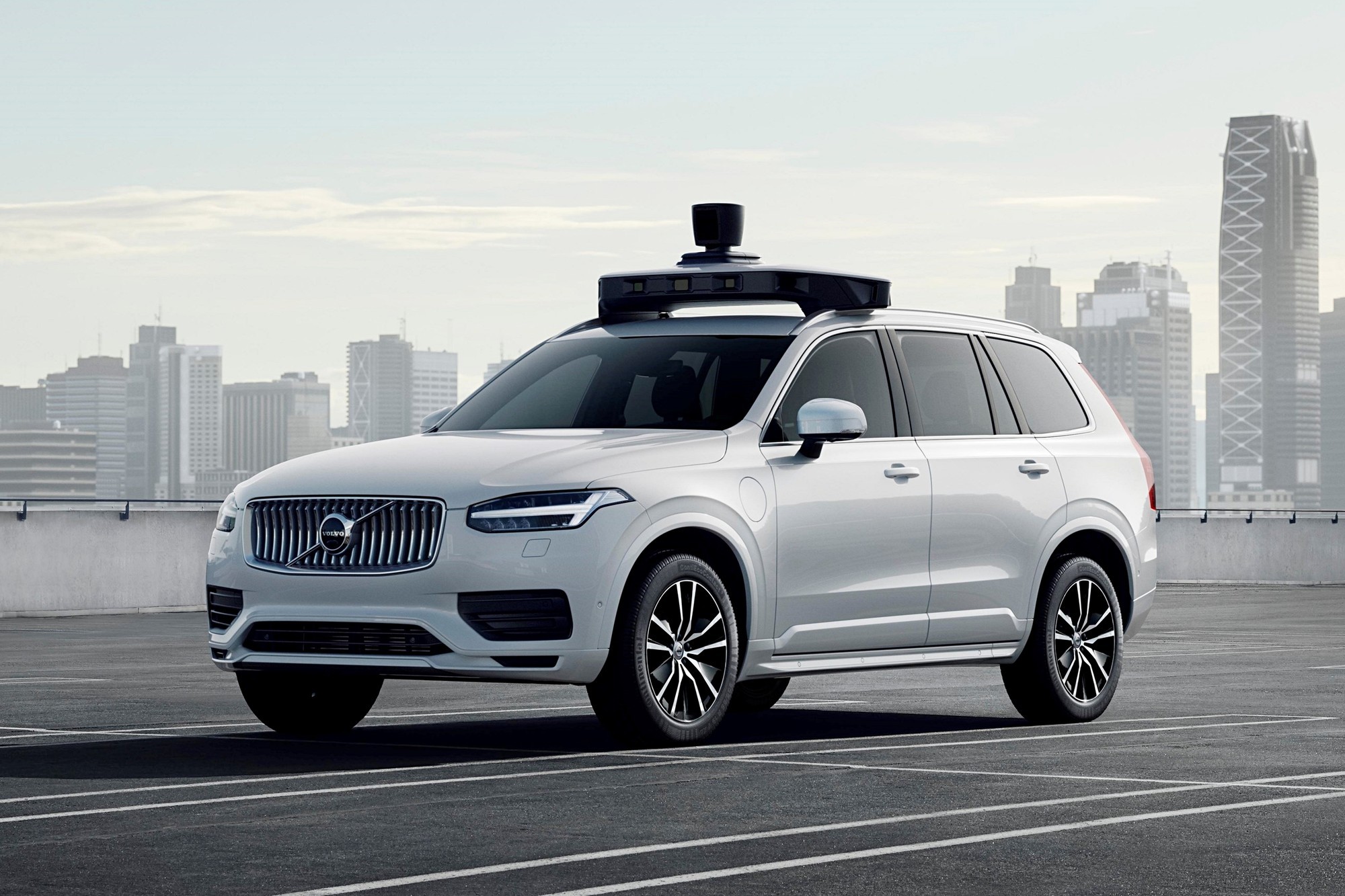
For Volvo, this move marks a departure from traditional, supplier-reliant development. Alwin Bakkenes, the company’s head of software development, characterized the shift as a migration toward internal full-stack ownership. While the automaker has not disclosed the financial terms or the specific debut model, the technology is slated to appear within the decade. The integration will eventually span beyond battery-electric vehicles to include plug-in hybrids and gas-powered models, standardizing the tech across the entire Volvo fleet.


:focal(0.73:0.51):format(webp)/YXJ0aWNsZXMvaW1hZ2UvMjAyNi8zLzIwMjYwMjE0LWdhZi11MzktMTY3NS5qcGc.webp?w=1920)
Comments (0)
No comments yet. Be the first!