
The digital noise surrounding the riots has distorted the reality on the ground. While clips on platforms like X captured the chaos of Molotov cocktails and stun grenades, professional reporting clarifies that the vast majority of participants were not looting, but advocating for better living conditions and education. Despite 1,800 arrests across France, the absence of fatalities suggests a level of restraint that contradicts the apocalyptic framing often found in algorithmically curated feeds.
The political cost of Europe's burning streets
As images of burning Parisian storefronts and clashes between riot police and protesters flooded social media feeds, the visceral reality of the unrest eclipsed the underlying grievances. The spectacle of violence in Lyon, Marseille, and Paris risks obscuring the massive, peaceful demonstrations for social reform that define the actual movement.
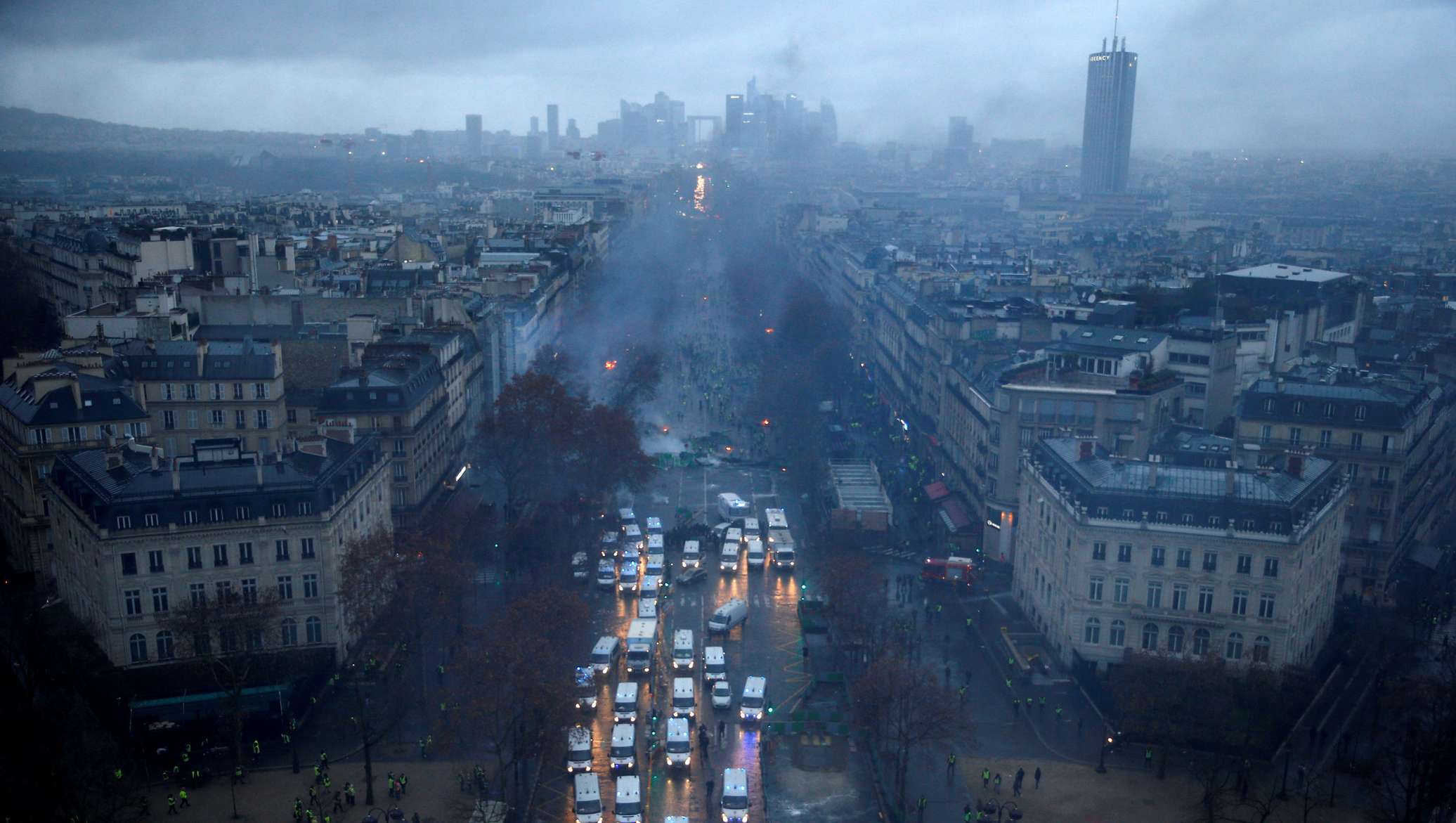
Yet, the visual impact of burning luxury boutiques serves as a potent, if self-defeating, symbol of inequality. While the destruction of high-end retailers like Louis Vuitton may resonate with the anarchist impulse against wealth disparity, it provides ammunition for political opponents. This surge of unrest, which has spilled into Italy and Belgium, arrives at a precarious moment. It offers a tactical advantage to far-right factions across Europe, as well as external political figures including Vladimir Putin and Donald Trump, who benefit from the narrative of a destabilized and fracturing European Union.


Comments (0)
No comments yet. Be the first!