
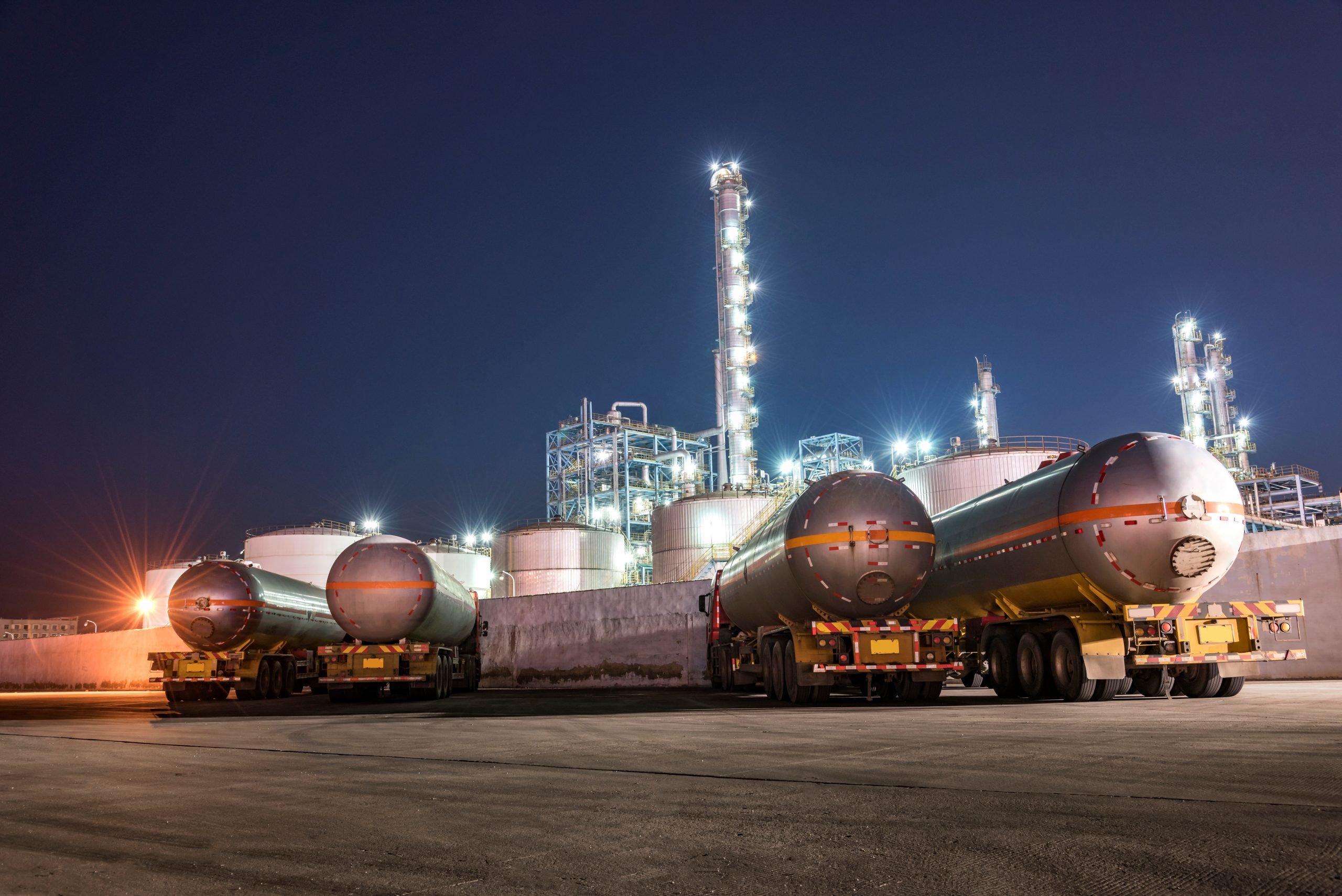
The disruption extends far beyond localized shortages. When combined with the loss of a million tons of monthly supply following Ukrainian strikes on Russian refineries, the market faces a tightening pool of bunker fuel. This pressure is compounded by the fact that refinery output and storage availability must perfectly align to satisfy a vessel's immediate needs. Even as ports like Fujairah show signs of recovery, imports remain roughly half of February levels, illustrating a system still operating at a dangerous deficit.
Inventory figures often provide a false sense of security, as storage data fails to account for ownership constraints, export obligations, and the specific grades required by modern fleets. Simultaneously, market participants are shifting their behavior; strong backwardation is discouraging blenders from maintaining adequate stocks, effectively removing the collective buffer needed to absorb supply shocks. This creates a scenario where previously manageable replenishment delays now trigger systemic delivery failures.



Comments (0)
No comments yet. Be the first!