
Producers are aggressively diversifying export infrastructure to circumvent the chokepoint, shifting focus toward Red Sea and Mediterranean ports. This strategic pivot follows severe disruptions to fuel and LNG shipments since the regional conflict began in late February. While crude exports have largely stabilized, the sustained pressure on global diesel and natural gas prices has forced a permanent change in corporate and state planning.
HSBC Predicts Strait of Hormuz Obsolescence by 2030
The Strait of Hormuz, long the world’s most critical maritime oil artery, faces potential irrelevance within five years. HSBC Group CEO Georges Elhedery warned at the Future Forum in Dubai that rapid development of bypass pipeline networks by Middle Eastern producers is fundamentally altering global energy transit routes.
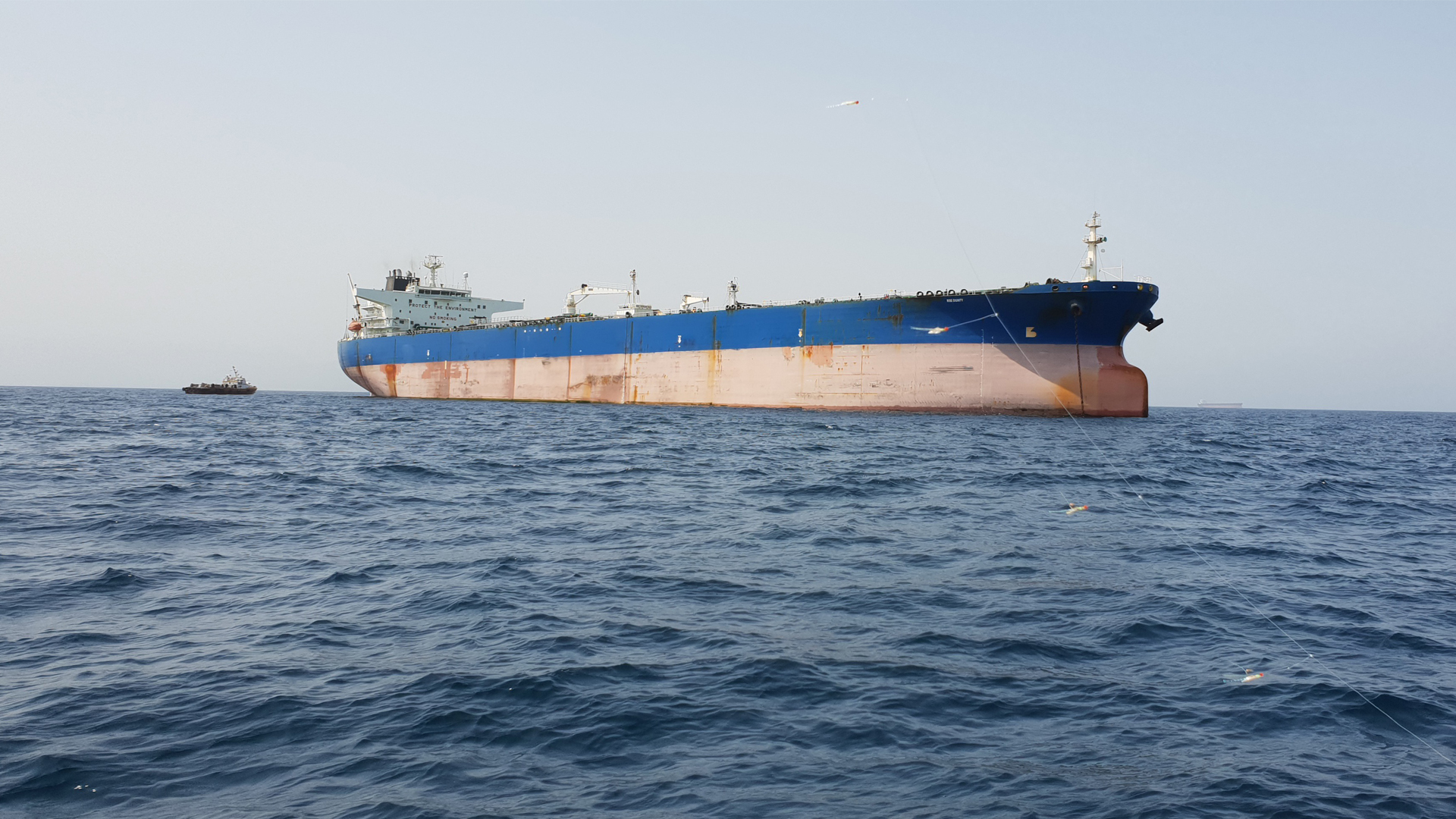
Investment is flowing into high-capacity infrastructure projects designed to insulate markets from regional volatility. Saudi Arabia is expanding its East-West pipeline to reach a capacity of 10 million barrels per day, a significant jump from the current 7 million. Meanwhile, Kuwait is establishing overseas storage hubs, and Iraq is exploring the revival of defunct pipelines to the Syrian coast. These efforts signal a coordinated move by Gulf nations to decouple their export capacity from the geopolitical risks inherent in the Strait.



Comments (0)
No comments yet. Be the first!