The Rare Earth Siege: How a China Export Ban Would Reshape U.S. Defense
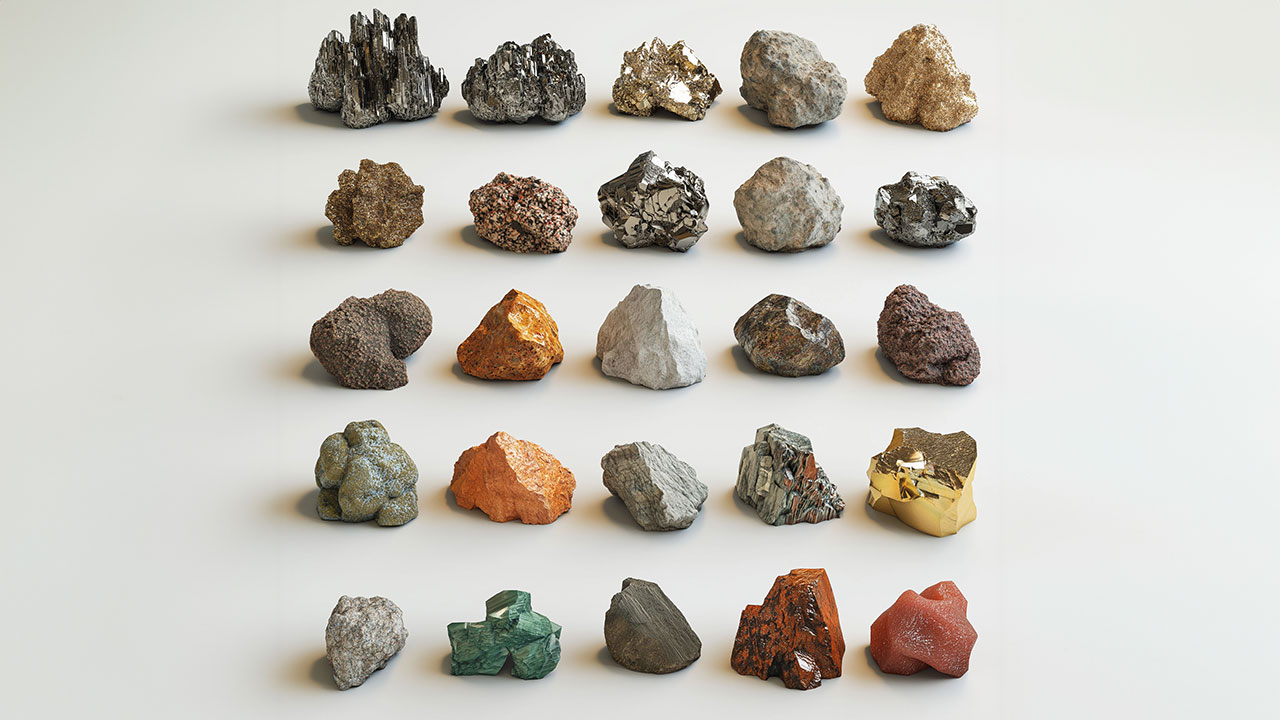
A potential blockade of Chinese rare earth exports over Taiwan would force the Pentagon and private industry into a desperate scramble for limited domestic supply. As Beijing restricts heavy metals like dysprosium, American defense contractors face a looming 2027 deadline to decouple from Chinese-origin materials or risk critical production halts.
The threat of a supply cutoff is no longer theoretical. When Japan signaled its position on Taiwan, Beijing responded by tightening controls on heavy rare earths, triggering immediate rationing and product redesigns among Japanese manufacturers. For the United States, which relies on these materials for everything from precision-guided missiles to electric motors, a similar move would ignite a frantic competition for resources that the domestic supply chain is currently ill-equipped to handle.
Washington has mandated a total ban on Chinese-origin rare earths in weapons systems by January 1, 2027. However, defense manufacturers warn that the infrastructure required to replace these imports is still in its infancy. Companies like REalloys are attempting to bridge this gap by building vertically integrated platforms that move from feedstock to finished magnets. The firm is currently developing a large-scale metallization facility and has entered negotiations with the U.S. Army to operate processing sites at the Tooele Army Depot in Utah.
Yet, rare earths represent only one front in a wider industrial struggle. Mining giants such as Rio Tinto, BHP Group, and Albemarle are aggressively expanding in copper, lithium, and scandium to meet the demands of an electrified economy. While these investments aim to secure long-term independence, the immediate vulnerability remains acute. Anupam Ghildyal, Chief Growth Officer at REalloys, warns that the path to a crisis follows a predictable trajectory: price spikes, followed by severe rationing, and ultimately, a forced redesign of high-performance components that could cripple defense readiness.


Comments (0)
No comments yet. Be the first!