
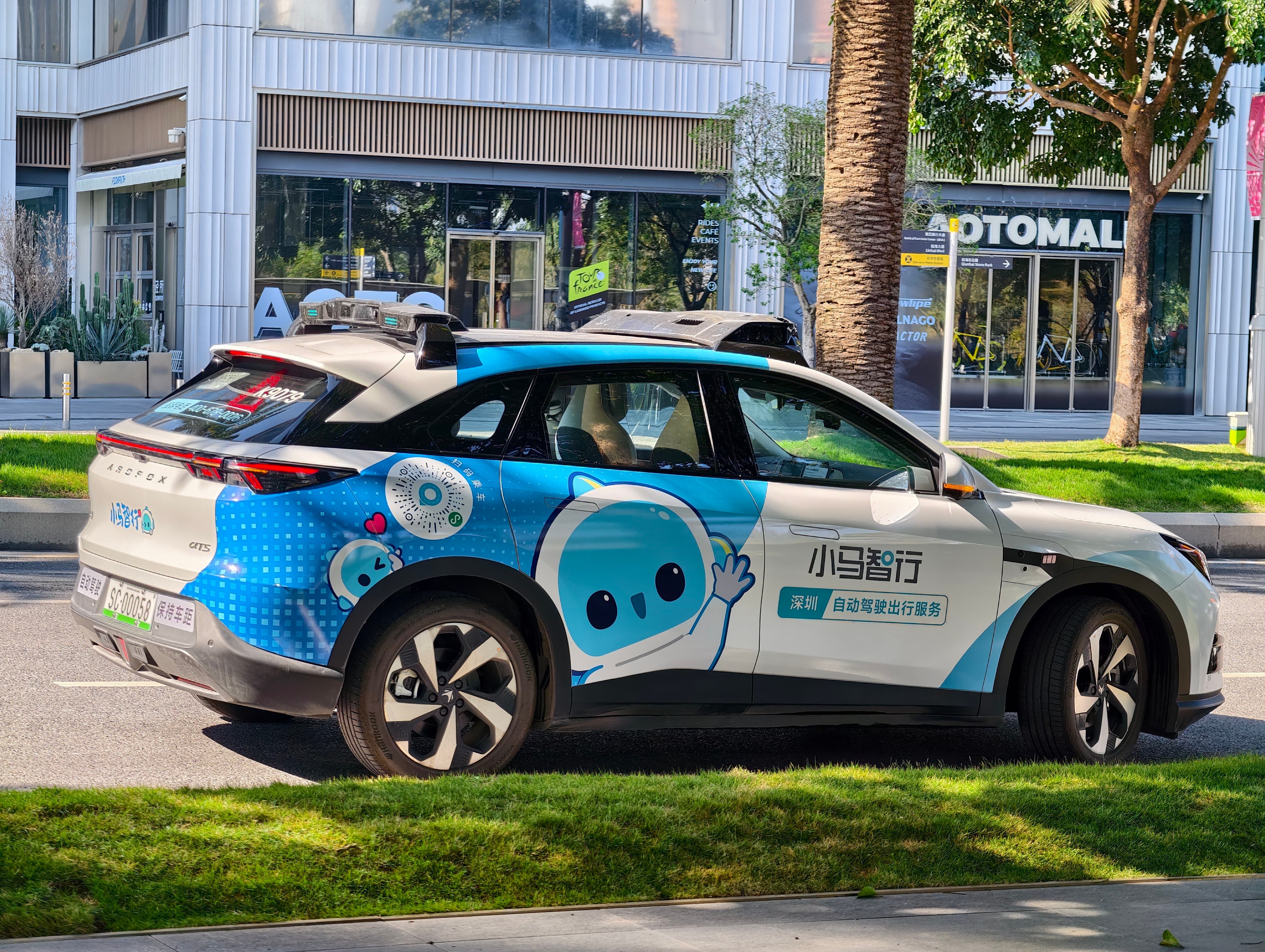
The collaboration leverages Pony.ai’s Gen-7 robotaxis, while Nvidia provides the underlying AI infrastructure through its Hyperion platform and Halos safety system. Initially, these vehicles will operate with safety drivers on board. CTO Yuri Misnik emphasized a capital-light strategy, utilizing external partnerships to maintain the affordability that defines the company's core ride-hailing business.
Astana’s climate serves as a rigorous proving ground for the technology. With heavy snow and ice, the city offers a unique environment to stress-test autonomous systems, potentially providing data for future deployments in other cold-weather markets. CEO Arsen Tomsky noted that success in the capital could yield critical insights for scaling autonomous mobility. The initiative aligns with Kazakhstan’s broader regulatory push, as the government has already established specific frameworks for testing self-driving vehicles on public roads.



Comments (0)
No comments yet. Be the first!