
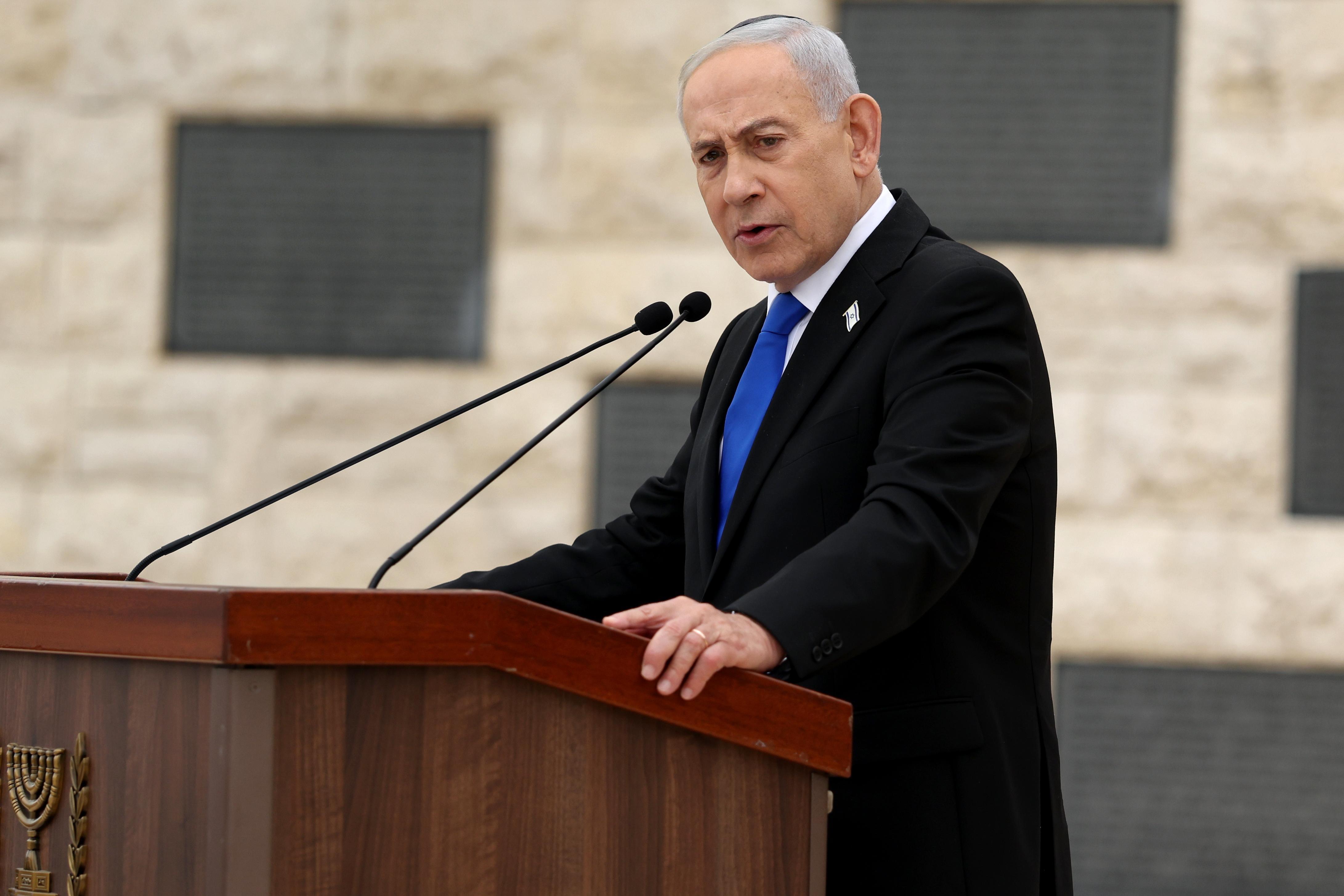
Netanyahu, nearing 77 and increasingly isolated on the international stage, continues to market a vision of a modernized Middle East built on Saudi normalization and Iranian containment. Yet, the reality of Houthi drones and shifting regional dynamics has dismantled this narrative. His political survival remains tethered to a brand of aggressive, status-quo security that has left the country deeply divided over military service, judicial reform, and the role of religion in the state.
His challenger, Gadi Eisenkot, represents a shift in rhetoric but offers little departure in strategy. While Western leaders may be tempted to view a centrist victory as an opportunity to push for a new regional roadmap, domestic political constraints within Israel remain rigid. Candidates across the spectrum continue to marginalize the Palestinian question, with both major blocs ruling out cooperation with Arab-Israeli parties despite the latter's focus on domestic issues like policing.




Comments (0)
No comments yet. Be the first!