
The National Highway Traffic Safety Administration’s proposal outlines specific equipment requirements, including light placement and visibility from the front, rear, and sides. While not a mandatory requirement, these specifications would allow automakers to transition away from traditional hardware like pedals, steering wheels, and side mirrors, which are ill-suited for modern designs like the Tesla Cybercab or Zoox robotaxi. Administrator Jonathan Morrison noted that this is part of a broader effort to update federal motor vehicle safety standards to accommodate emerging autonomous technologies.
NHTSA Proposes Cyan Lighting to Signal Autonomous Vehicle Operation
U.S. federal regulators are moving toward a standardized visual language for self-driving cars, proposing that autonomous vehicles use steady cyan-colored lights to signal when they are operating without a human occupant. The move aims to provide clear, uniform identification for the public as manufacturers look to remove traditional manual controls.
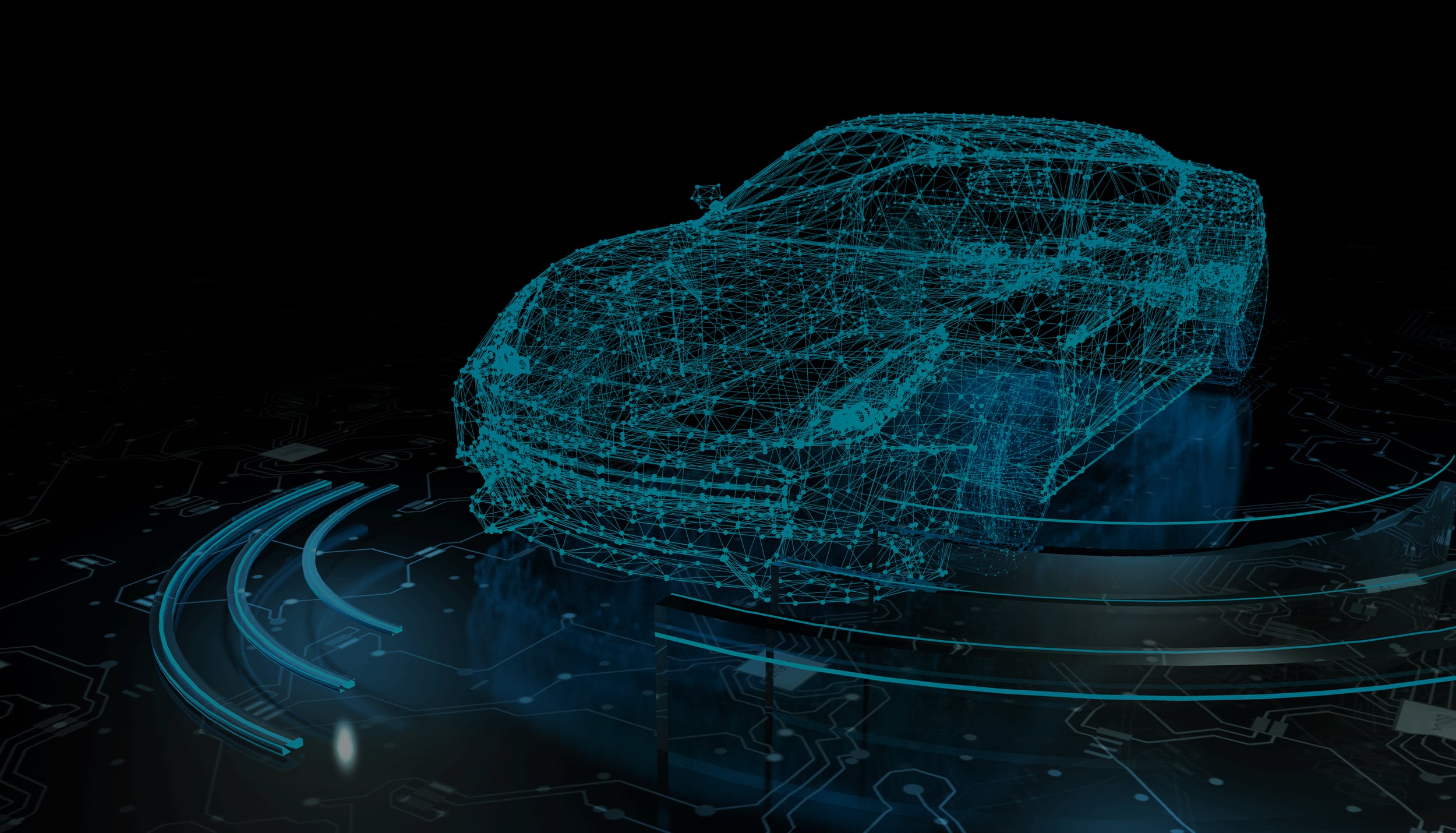
Beyond federal oversight, the industry is seeing a flurry of activity as legacy automakers and startups rush to integrate AI. General Motors recently announced plans to overhaul its vehicle electrical architecture by 2028, aiming to introduce advanced hands-free highway driving and a sophisticated, conversational AI assistant. Simultaneously, Rivian has acquired the U.K.-based simulation startup Third Dimension to sharpen its autonomy development, while startups like Reliable Robotics continue to attract significant capital, recently securing $115 million to advance autonomous aviation.



Comments (0)
No comments yet. Be the first!