
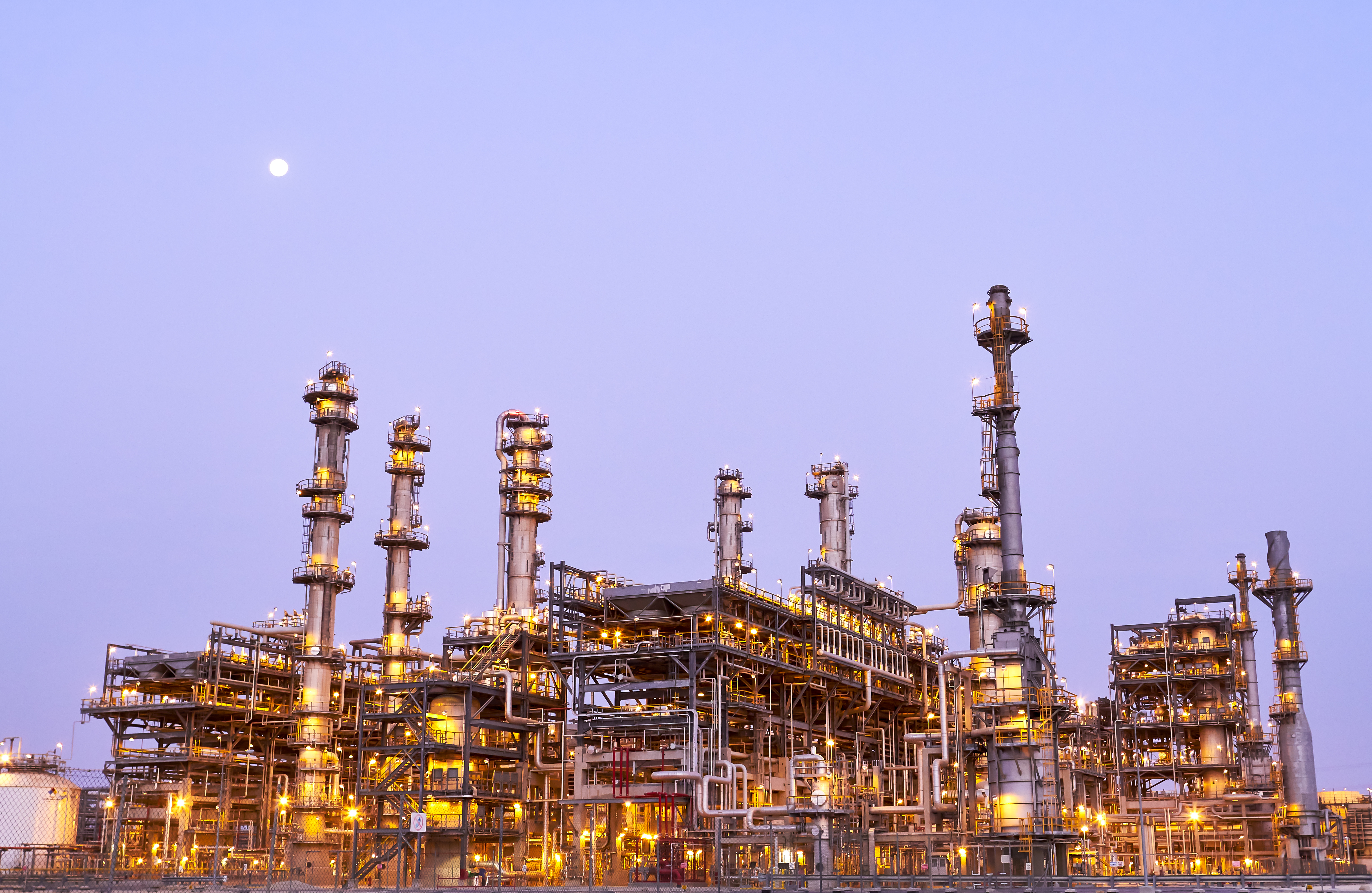
The potential pivot centers on Reliance Industries’ Jamnagar refining complex, the world's largest single-location facility with a capacity of 1.4 million barrels per day. For years, Washington has viewed India as a vital economic and geopolitical counterweight to China’s regional influence. However, this vision collided with reality following the 2022 Ukraine conflict, which saw India emerge as a primary destination for discounted Russian crude and a partner in the RELOS military logistics agreement, granting Russia access to strategic Arctic cooperation.
Reliance Industries Signals Pivot Toward U.S. Energy Partnership
Reliance Industries has signaled openness to collaborating with U.S. firms on oil, gas, and clean energy, potentially realigning India’s energy strategy. This shift follows intense diplomatic pressure from the Trump administration, aiming to decouple New Delhi from its deepening reliance on Russian energy and military logistics agreements.

Recent high-level engagement between U.S. Secretary of State Marco Rubio and India’s External Affairs Minister S. Jaishankar suggests a renewed push to integrate India into a Washington-led economic framework. By offering access to U.S. energy flows and maintaining trade in Venezuelan crude, the U.S. aims to incentivize a departure from Moscow. While India currently balances various supply sources, the threat of recurring tariffs and the promise of the U.S.-India COMPACT initiative create a strong incentive for New Delhi to prioritize Western partnerships. This recalibration could effectively dismantle the Russia-India axis that has allowed Moscow to bypass Western sanctions and maintain its Arctic ambitions.



Comments (0)
No comments yet. Be the first!