
Netanyahu remains the most likely candidate to receive President Herzog’s initial mandate to form a government, bolstered by Likud’s 27 seats. Despite the shortfall, his camp is actively delegitimizing the electoral process, alleging foreign interference to obstruct a potential coalition between Gadi Eisenkot and the Arab parties. This strategy aims to force a unity government or trigger a repeat election, both of which serve to keep Netanyahu at the helm.
Netanyahu Clings to Power as Election Deadlock Stalls Israeli Politics
With Benjamin Netanyahu’s bloc securing only 53 of 120 Knesset seats, Israel faces a deepening political paralysis. As caretaker prime minister, Netanyahu is maneuvering to retain influence while his opponents struggle to bridge ideological divides, leaving the country’s governance in limbo following record-breaking voter turnout in Arab communities.
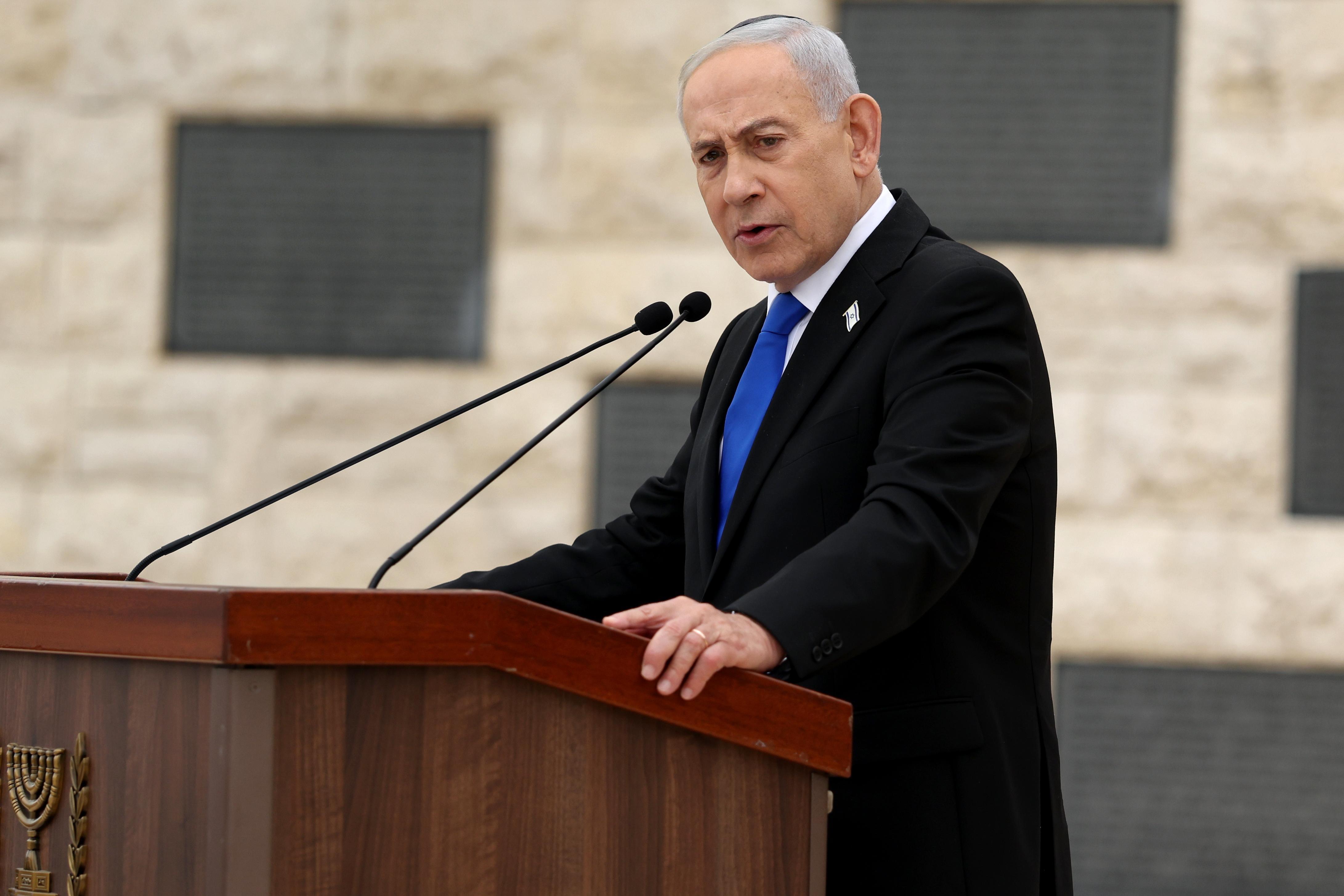
The path to a majority is fraught with friction. Eisenkot requires the support of the Arab slates and Avigdor Liberman’s seven seats to reach the 61-seat threshold. However, Liberman has historically rejected partnerships outside of "Zionist" parties, complicating any anti-Netanyahu alliance. Meanwhile, Likud has weaponized a Shin Bet inquiry into alleged Qatari funding of Arab voter turnout, framing the election results as a threat to national identity. While officials suggest these claims are exaggerated, the narrative provides a convenient pretext for hardliners like Ben-Gvir to demand the annulment of results and the arrest of opposition leaders.


Comments (0)
No comments yet. Be the first!