
The geopolitical pressure is reshaping global energy flows. Saudi Aramco has begun offering discounted spot cargoes to European buyers to bypass Red Sea transit risks, while the European Union plans to release 42 million barrels of strategic reserves to dampen diesel prices. Simultaneously, Abu Dhabi’s ADNOC is accelerating infrastructure projects, aiming for early 2027 deliveries from a second pipeline designed to bypass the Strait of Hormuz entirely.
Oil Markets Face Volatility as Middle East Tensions Spike
With ICE Brent hovering near $118 per barrel, oil traders are bracing for turbulence as the prospect of renewed U.S.-Iran hostilities looms over energy markets. Rising attacks in the Strait of Hormuz and reported explosions at Iran’s Jask port have overshadowed diplomatic efforts just days before U.S. midterm elections.

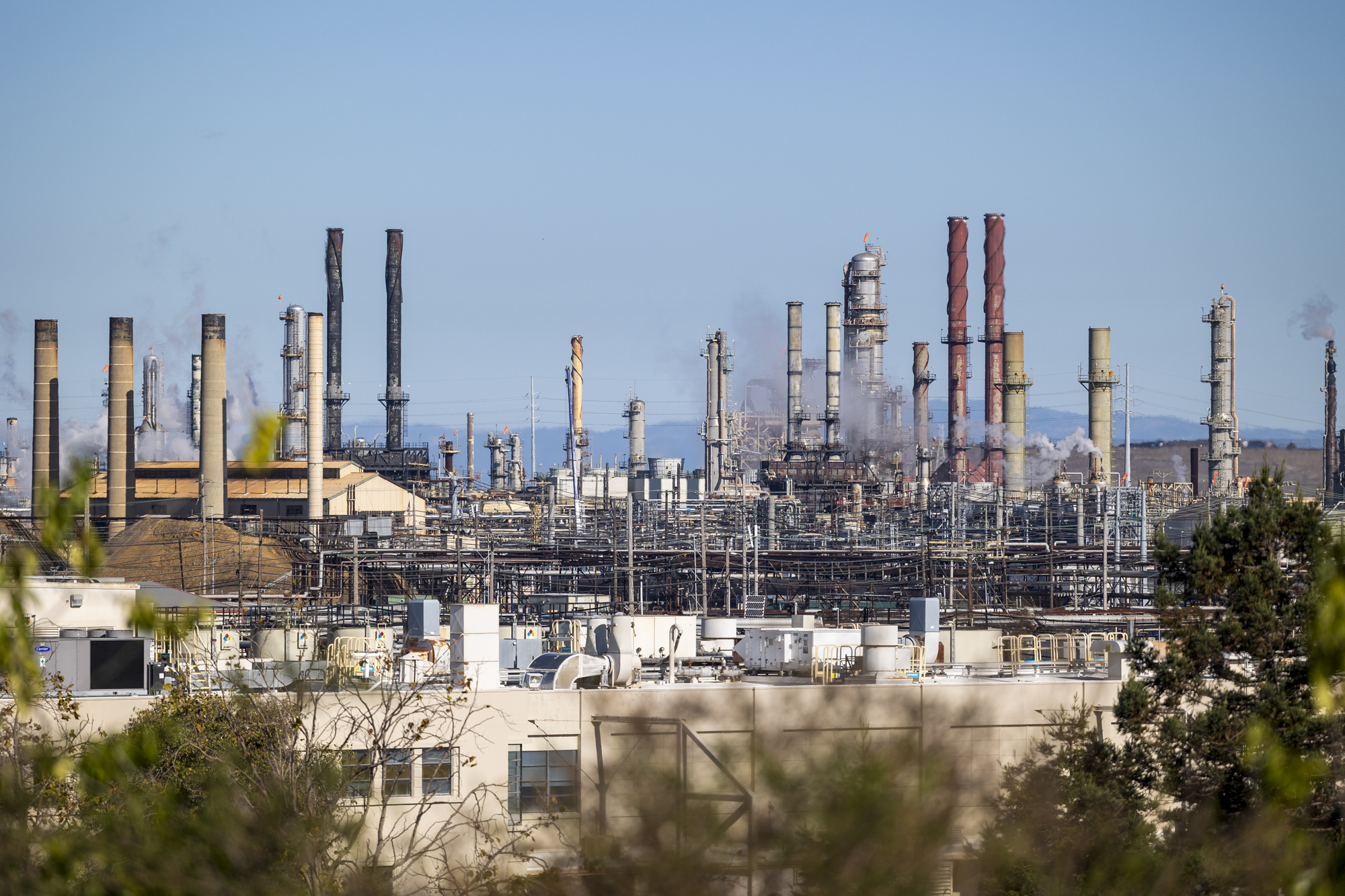
Corporate balance sheets reflect this high-price environment. ExxonMobil and Chevron posted quarterly profits of $15.4 billion and $9.9 billion, respectively. Notably, Exxon’s downstream operations outperformed its upstream business for the first time in six years. Meanwhile, supply constraints persist elsewhere; Libya’s National Oil Corporation reported a pipeline shutdown at the Hamada-Zawiya link, and Phillips 66 declared force majeure at its Freeport LPG terminal following a compressor failure. As global inventories tighten, TTF gas prices have surged past €100 per MWh, signaling a deepening energy crisis across Europe.


Comments (0)
No comments yet. Be the first!