
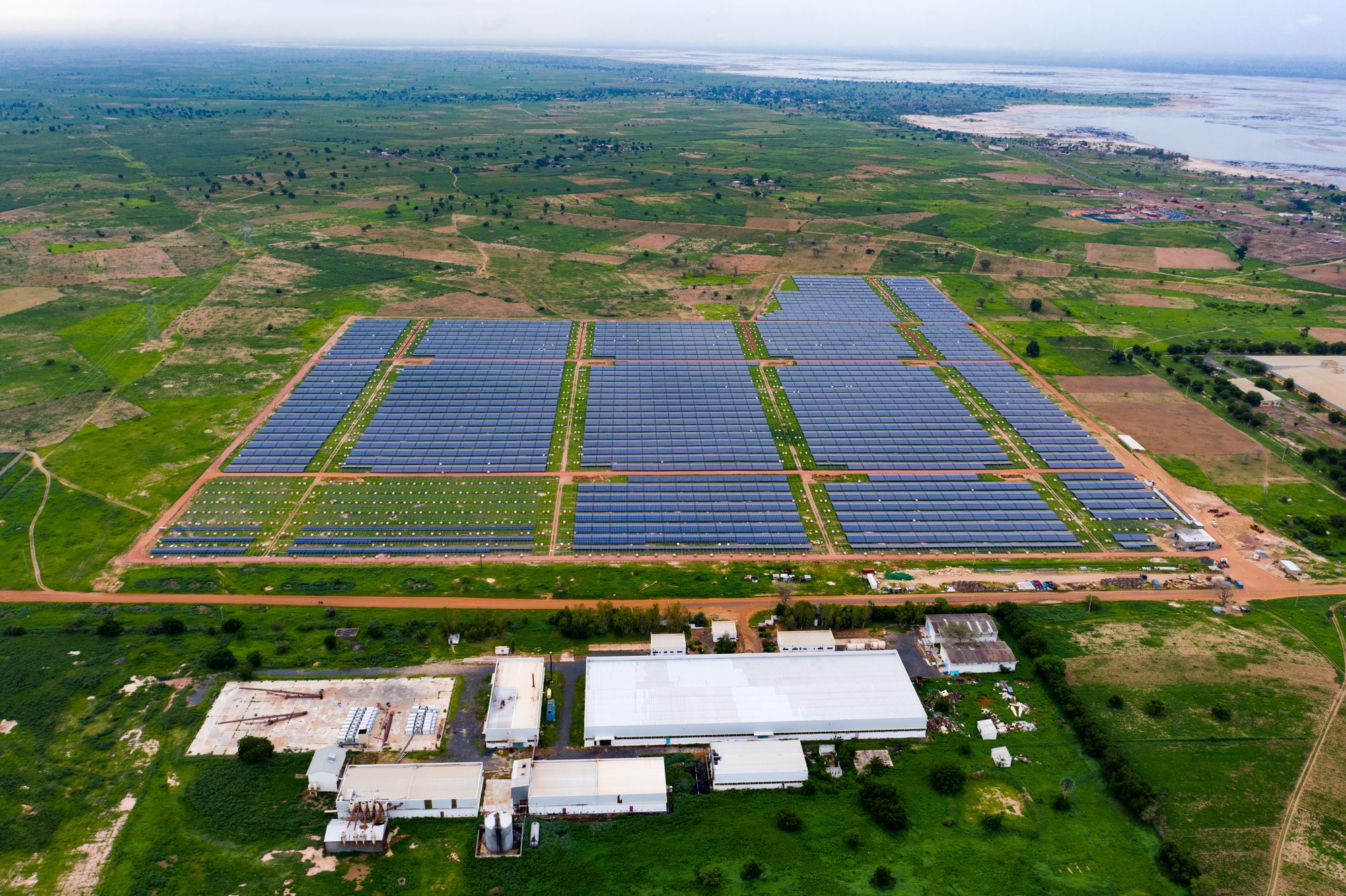
The government faces a significant fiscal strain, as imported oil-based fuels account for roughly 72.5 percent of national power production. While consumers pay a subsidized rate of 24 cents per kilowatt-hour, the state covers the remaining cost, a burden officials aim to alleviate by transitioning to domestic natural gas and scaling renewable infrastructure. The national goal is to expand total electricity production from 1.74 GW to 12 GW by mid-century.
Progress is visible in the energy mix, where renewable capacity has climbed from 56 MW in 2014 to over 624 MW by 2025. Recent milestones include the AXIAN Energy-backed NEA Kolda photovoltaic project in Casamance and new solar installations at drinking water facilities in Thiès and Louga. Simultaneously, the state-owned Réseau Gazier du Sénégal is spearheading a 400 km pipeline network to connect the Greater Tortue Ahmeyim gas field to power plants, aiming to replace heavy fuel oil with cleaner, cheaper domestic gas by 2029.



Comments (0)
No comments yet. Be the first!