
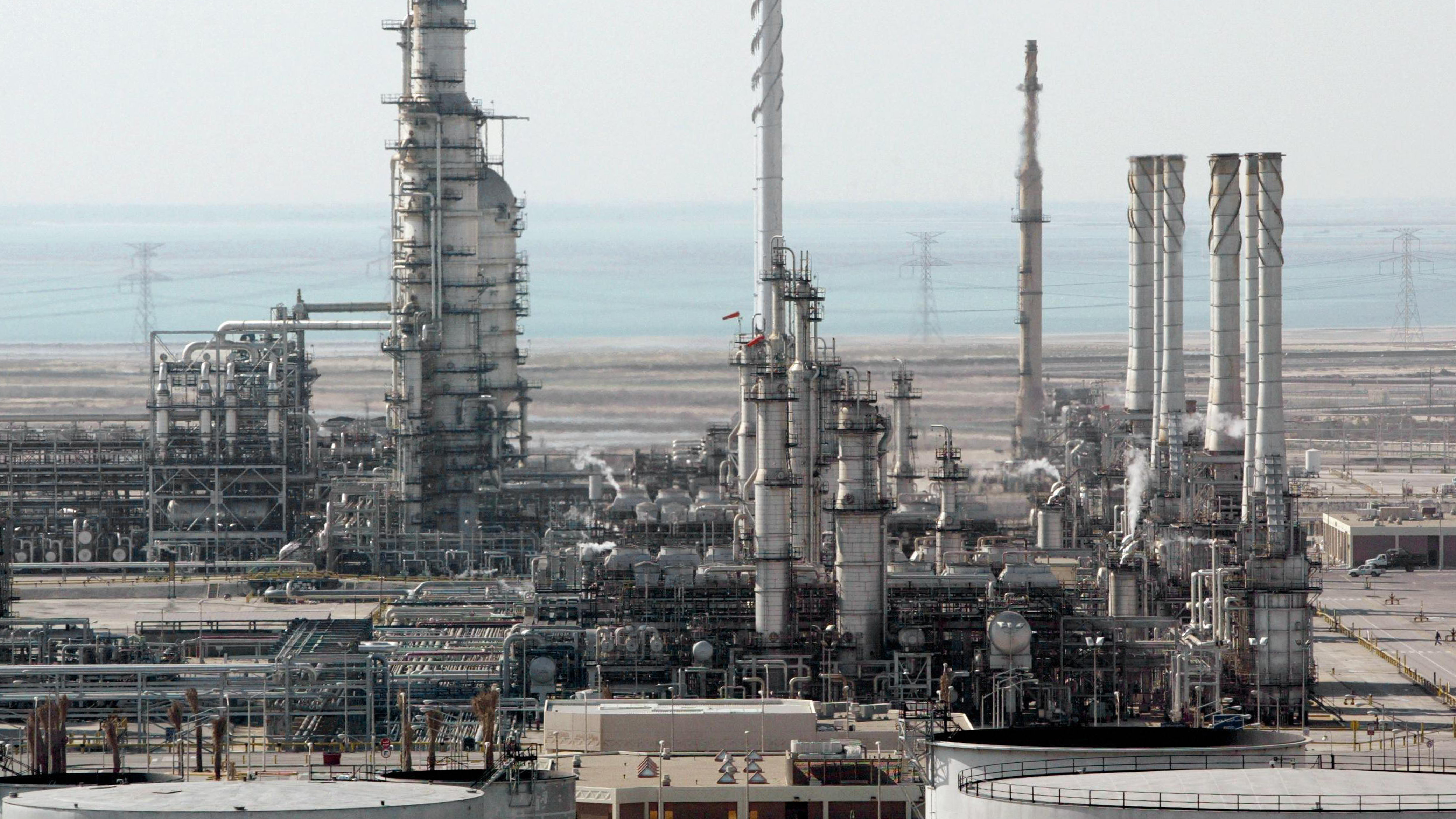
The latest assault on the 550,000-barrel-per-day facility confirms a pattern of operational failure that has persisted since the 2019 attacks on Abqaiq and Khurais. Despite billions of dollars spent on THAAD interceptors, Patriot batteries, and sophisticated early-warning radars, these assets have proven unable to neutralize the drone and missile threats orchestrated by Iran’s Islamic Revolutionary Guard Corps. The strategic fallout extends beyond immediate repair costs; it forces Gulf states to reconsider their reliance on U.S. protection, creating a vacuum that Russia and China are eager to exploit.
Middle East Security Failures Expose the Limits of U.S. Influence
The repeated Houthi strikes on Saudi Arabia’s Ras Tanura refinery have laid bare a stark geopolitical reality: U.S.-supplied defense systems are failing to protect key energy infrastructure. This vulnerability not only undermines Washington's regional security guarantees but also signals that Tehran, not the White House, currently dictates global oil price trajectories.
For Beijing, the instability serves as a powerful lever. Through the Iran-China 25-Year Comprehensive Cooperation Agreement and its extensive infrastructure investments in Djibouti and Eritrea, China now exerts significant control over critical maritime chokepoints like the Bab al-Mandab Strait. While Saudi and Emirati tankers face constant threat, Chinese-flagged vessels have moved through these waters unmolested, highlighting Tehran’s selective enforcement of regional security. Furthermore, the Makkah Defence Alliance, designed to mirror NATO’s collective security model, remains paralyzed, failing to respond to the recent strikes. This inactivity suggests that the regional power balance is shifting toward a new order where traditional Western alliances are increasingly sidelined by the pragmatic influence of Beijing and the persistent aggression of Tehran.



Comments (0)
No comments yet. Be the first!