
Meteorologists are tracking a textbook heat flux from the troposphere into the stratosphere, an anomaly likely to trigger a collapse of the vortex and a reversal of westerly winds. While the disruption begins in the upper atmosphere, the surface-level impact—a surge of Arctic air—is expected to reach European regions within weeks. This shift arrives at a precarious moment for the continent, which currently holds natural gas inventories at their lowest seasonal levels since the 2022 energy crisis, hovering near 74% capacity.
Weakened Polar Vortex Threatens Europe’s Fragile Gas Reserves
The Arctic polar vortex has hit its weakest point on record for this time of year, threatening a sudden stratospheric warming event that could plunge Northwest Europe into a brutal deep freeze. Forecasters warn the resulting shift in weather patterns may arrive by early December, just as heating demand begins to peak.
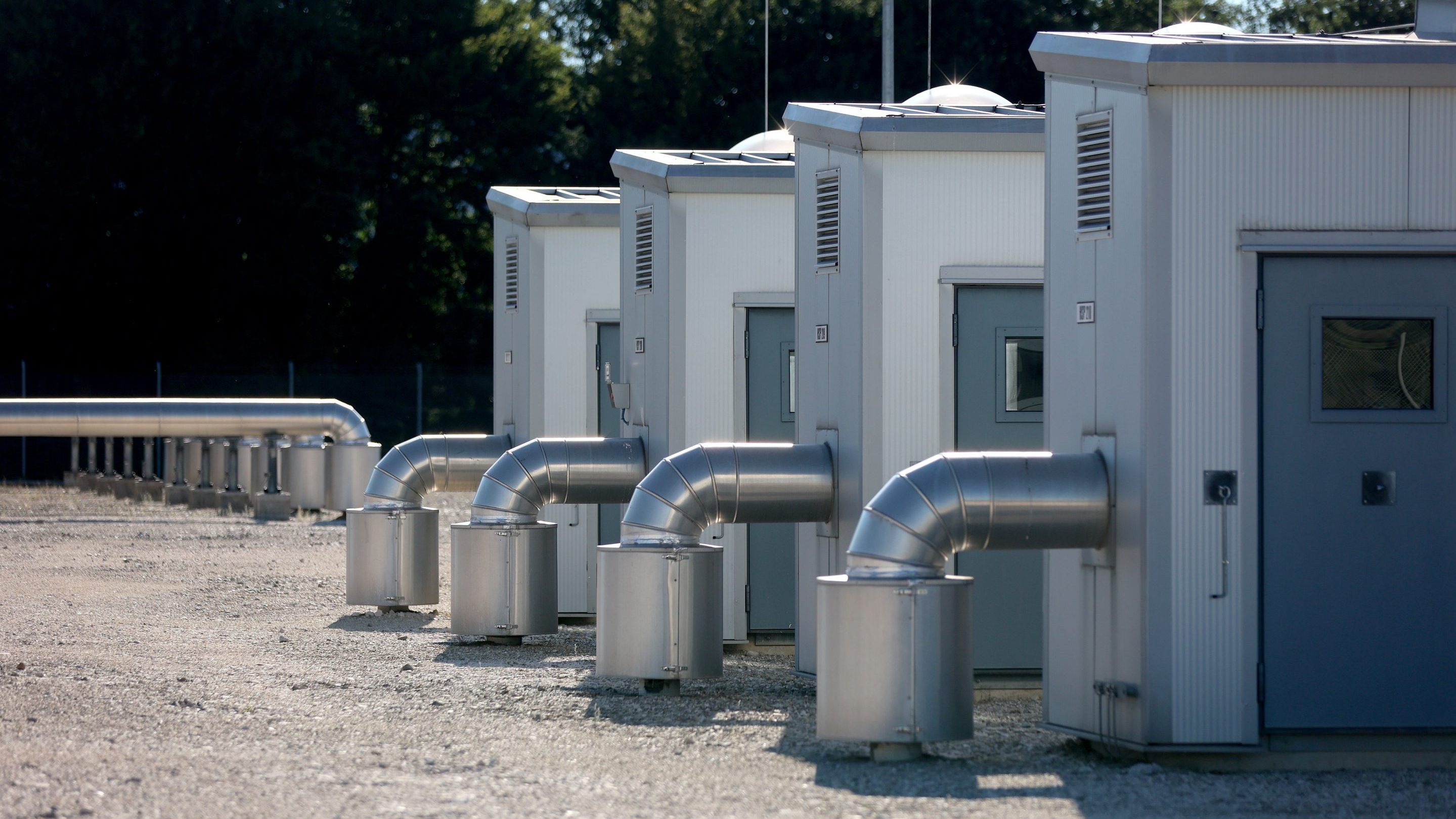
BloombergNEF analysis suggests that a single week of temperatures averaging 5°C below the 10-year norm would force a massive drawdown of reserves, consuming roughly 1.1 billion cubic meters of gas across Northwest Europe, Italy, Spain, and Austria. Such a spike would leave end-of-March inventories at just 15.5%—dangerously close to the estimated minimum required to avoid tapping into strategic reserves. The International Energy Agency recently cautioned that once storage levels dip below 30%, the physical rate of gas withdrawal slows significantly, leaving the market exposed to technical outages or additional cold snaps. With European natural gas prices trading at roughly 11 times the cost of U.S. equivalents, the continent remains highly vulnerable to any prolonged volatility throughout the winter.


Comments (0)
No comments yet. Be the first!